Peppermint and Fennel Tea for IBS Relief: A Safe Use Guide

by Andreea Smiterson
0 comments
A+A-
Reset

Irritable Bowel Syndrome (IBS) is a common functional gastrointestinal disorder affecting the large intestine. While it is a chronic condition, its symptoms—such as bloating, gas, abdominal cramping, diarrhea, and constipation—can often be managed through diet, lifestyle changes, and supportive natural remedies. For this reason, herbal teas with antispasmodic and carminative properties have been traditionally used to provide symptomatic relief.

Among the most well-regarded botanicals for digestive comfort are peppermint and fennel. This combination may help soothe the gut, reduce cramping, and alleviate bloating associated with IBS. However, it is crucial to understand how to use them safely and effectively as part of a comprehensive management plan.

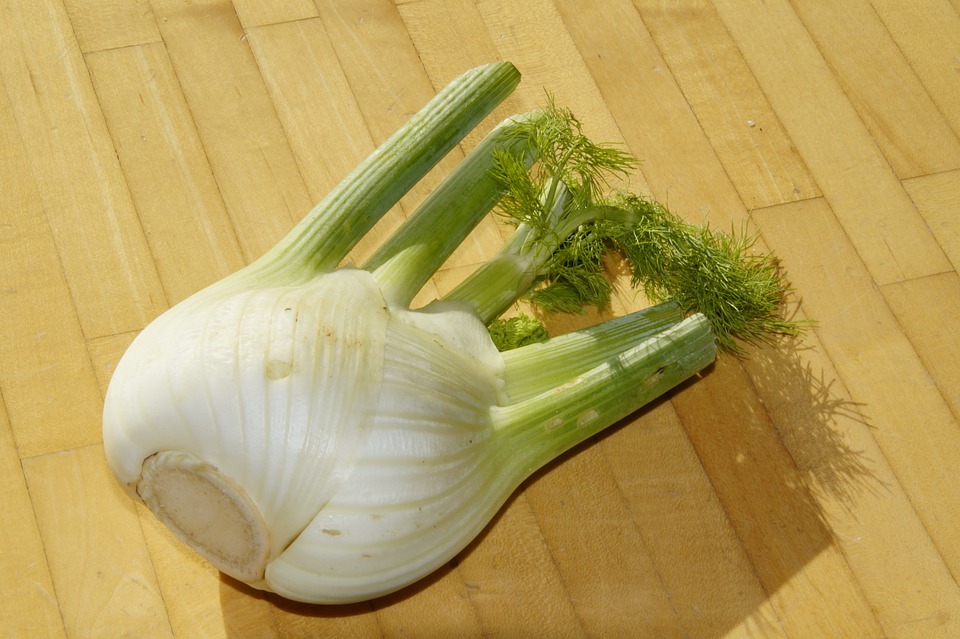
fennel and peppermint tea

**This information is for educational purposes only and is not a substitute for professional medical advice. Always consult a healthcare provider before starting any new herbal remedy, especially if you have a pre-existing condition or are taking medication.**

The Science Behind Peppermint for IBS Support

Peppermint (*Mentha x piperita*) is a well-researched herb for digestive ailments. Its primary active compound, menthol, is responsible for most of its therapeutic effects.

Specifically, menthol has a relaxing effect on the smooth muscles of the gastrointestinal tract. It works by blocking calcium channels in muscle cells, which helps prevent the painful spasms and cramping characteristic of IBS. Furthermore, peppermint is a carminative, meaning it helps expel gas from the intestines, thereby reducing bloating and discomfort.

According to a 2019 meta-analysis published in *BMC Complementary and Alternative Medicine*, peppermint oil was found to be a safe and effective short-term treatment for improving abdominal pain and overall symptoms in adults with IBS. While the tea contains lower concentrations of menthol than encapsulated oil, it can still provide gentle, soothing relief.

The Traditional Role of Fennel in Digestive Health

Fennel (*Foeniculum vulgare*) has been used for centuries in traditional European and Mediterranean medicine as a digestive aid. The seeds are rich in an essential oil containing anethole, a compound that contributes to its antispasmodic and anti-inflammatory properties.

Anethole helps relax the intestinal muscles, easing the cramping associated with IBS. Moreover, its carminative action is effective in reducing gas and bloating. The European Medicines Agency (EMA) monograph on fennel acknowledges its traditional use for the symptomatic treatment of mild, spasmodic gastrointestinal complaints, including bloating and flatulence.

Recipe for a Soothing Peppermint and Fennel Tea

This simple preparation combines the benefits of both herbs for digestive support. Using high-quality, fresh, or dried herbs is essential for efficacy.

Ingredients:

  • 1 teaspoon dried peppermint leaves (or 1 tablespoon fresh leaves)
  • 1 teaspoon lightly crushed fennel seeds
  • 8 ounces (approx. 240 ml) of freshly boiled water
  • Honey or lemon to taste (optional)

Instructions:

  1. Lightly crush the fennel seeds with a mortar and pestle or the back of a spoon. This action is crucial as it helps release the volatile oils.
  2. Place the crushed fennel seeds and peppermint leaves into a teapot or mug with an infuser.
  3. Pour the freshly boiled water over the herbs.
  4. Cover and let the tea steep for 10-15 minutes. A longer steeping time will result in a stronger, more medicinally potent tea.
  5. Strain the herbs from the tea. Add honey or a squeeze of lemon if desired.

Administration Protocol and Safety Limits

To ensure both safety and effectiveness, it is vital to follow a structured protocol when using this herbal tea for therapeutic purposes.

Guideline Protocol
Maximum Daily Dose Up to 3 cups per day for a healthy adult.
Timing Best consumed 30 minutes after meals to aid digestion and reduce post-meal bloating.
Treatment Duration Use for 2 to 3 weeks to manage acute symptoms.
Mandatory Break Take a 7-day break between treatment cycles to prevent tolerance and assess symptoms.

Specific Biological Limitation

Peppermint and GERD

Peppermint’s muscle-relaxing effect is not limited to the intestines. It can also relax the lower esophageal sphincter (LES), the valve between the esophagus and the stomach. For individuals with gastroesophageal reflux disease (GERD) or a hiatal hernia, this can worsen symptoms like heartburn and acid reflux by allowing stomach acid to flow back into the esophagus.

Fennel and Hormone Sensitivity

Fennel contains anethole, which has mild estrogen-like properties. While generally safe in the amounts found in tea, individuals with hormone-sensitive conditions (such as estrogen-receptor-positive breast cancer, uterine fibroids, or endometriosis) should exercise caution and consult their healthcare provider before regular use.

Contraindications and Precautions

Absolute Contraindications (Do Not Use)

  • Severe GERD or Hiatal Hernia: Peppermint can significantly worsen these conditions.
  • Allergies: Do not consume if you have a known allergy to peppermint (Lamiaceae family) or fennel and related plants like celery, carrot, or mugwort (Apiaceae family).
  • Gallbladder Obstruction: Peppermint can stimulate bile flow, which may be problematic in cases of bile duct obstruction or gallstones.

Vulnerable Populations

  • Pregnancy and Breastfeeding: Fennel is not recommended in medicinal amounts during pregnancy due to its potential estrogenic effects. Both herbs should be used with caution while breastfeeding. Consult a healthcare provider.
  • Infants and Young Children: Peppermint (especially the oil) should not be given to infants or young children, as menthol can cause breathing difficulties in rare cases.

Potential Drug Interactions

  • Antacids and H2 Blockers: Peppermint may interfere with the action of medications that reduce stomach acid.
  • Cyclosporine: Peppermint oil has been shown to slow the breakdown of this immunosuppressant drug, potentially increasing its effects and side effects. While tea is less potent, caution is advised.

Therapeutic Alternatives

If this tea is not suitable for you, other botanicals with scientific backing may offer relief for IBS symptoms.

  1. Ginger (*Zingiber officinale*): Well-known for its anti-nausea effects, ginger also functions as a prokinetic agent, helping to improve gastric motility. This can be particularly useful for individuals experiencing bloating and a sensation of fullness.
  2. Chamomile (*Matricaria recutita*): This herb possesses anti-inflammatory, antispasmodic, and mild sedative properties. It is an excellent choice when stress is a significant trigger for IBS flare-ups, as it helps calm both the nervous system and the gut.
  3. Psyllium Husk (*Plantago ovata*): As a source of soluble fiber, psyllium can help regulate bowel function in both IBS-C (constipation-dominant) and IBS-D (diarrhea-dominant) by normalizing stool consistency. It must be taken with plenty of water.

Recent Medical Research (2020-2026)

Research continues to validate the traditional uses of these herbs for digestive health.

A 2022 review published in *Molecules* highlighted the multiple mechanisms of peppermint oil in managing IBS, including its antispasmodic, anti-inflammatory, and visceral pain-modulating effects.

While large-scale clinical trials on fennel tea for IBS are limited, a 2021 study on fennel extract demonstrated its potential to improve quality of life and reduce symptoms in patients with chronic constipation, a common feature of IBS-C. These findings support its traditional role and encourage further investigation.

Specialist’s Summary

Peppermint and fennel tea is a useful complementary remedy for managing mild to moderate IBS symptoms like bloating, gas, and cramping, with effects often noticeable within an hour of consumption. However, it is contraindicated for individuals with severe GERD and should be used cautiously by those with hormone-sensitive conditions. Validated alternatives with different mechanisms of action include ginger for motility, chamomile for stress-related symptoms, and psyllium for stool regulation.

Frequently Asked Questions

1. How quickly does peppermint and fennel tea work for bloating?

For many individuals, the carminative effects can be felt within 30 to 60 minutes of consumption, helping to relieve gas and bloating. However, consistent use over several days may be needed for a noticeable reduction in cramping.

2. Can I drink this tea every day for IBS?

It is not recommended to drink this tea daily on an indefinite basis. For therapeutic use, it’s best to follow a cycle, such as using it for 2-3 weeks to manage symptoms and then taking a one-week break. This helps prevent the body from becoming accustomed to it and allows you to assess your baseline symptoms.

3. Is peppermint or fennel better for IBS-D or IBS-C?

The antispasmodic properties of both herbs can be beneficial for the cramping associated with both subtypes. They primarily address symptoms like pain, gas, and bloating rather than directly treating the underlying cause of diarrhea or constipation.

4. Is this tea safe for children with stomach aches?

Fennel tea is traditionally used for colic in infants, but peppermint is not recommended for very young children. For children over the age of 5, a very weak, diluted version of this tea may be considered, but it is essential to consult a pediatrician or qualified healthcare provider first.

Sources and References

  1. Alammar, N., et al. (2019). The impact of peppermint oil on the irritable bowel syndrome: a meta-analysis of the pooled clinical data. BMC complementary and alternative medicine, 19(1), 21.
  2. Portincasa, P., et al. (2022). Medical and Surgical Vantages of Peppermint Oil in Gastroenterology. Molecules (Basel, Switzerland), 27(4), 1243.
  3. European Medicines Agency (EMA). (2007). Community herbal monograph on Foeniculum vulgare Miller subsp. vulgare var. vulgare, fructus.
  4. Fathi, M., et al. (2021). The effect of fennel (Foeniculum vulgare) on the quality of life in patients with chronic constipation. Journal of basic and clinical physiology and pharmacology, 32(4), 481–486.

⚠️ Important Medical Information

This article is for educational and informational purposes only and is not intended as medical advice, diagnosis, or treatment. The information provided about Peppermint and Fennel is based on traditional use, preliminary research, and available scientific evidence, which may be limited.

Before using Peppermint and Fennel tea:

  • Consult a qualified healthcare provider, especially if you are pregnant, breastfeeding, taking medications, or have existing health conditions like GERD or hormone sensitivities.
  • Do not use as a substitute for prescribed medications or professional medical treatment for IBS.
  • Individual results may vary – what works for one person may not work for another.
  • Monitor for adverse reactions, such as increased heartburn, and discontinue use if negative symptoms occur.


You may also like

Leave a Comment