While the natural aging process is unavoidable, the appearance of fine lines and wrinkles can be influenced by external factors such as sun exposure, lifestyle choices, and skincare routines. One of the cornerstones of maintaining skin’s youthful appearance is ensuring adequate hydration. Consequently, a well-formulated moisturizing cream can significantly improve skin texture and suppleness.
This article provides a recipe for a simple, homemade hydrating cream using natural ingredients. Furthermore, it explains the scientific basis for its components, outlines critical safety protocols for its use, and discusses evidence-based alternatives for skin care.

A Natural Hydrating Face Cream Recipe
This recipe creates a rich, emollient cream designed to deeply moisturize the skin. Its primary function is to form a protective barrier that locks in moisture, which can help soften the appearance of fine lines caused by dehydration.
Ingredients
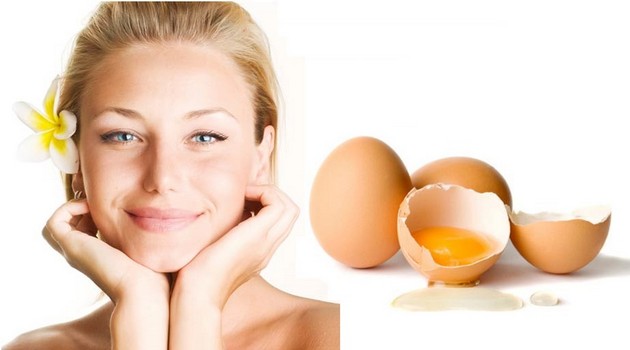
- 1 egg yolk
- 2 teaspoons of cosmetic-grade petroleum jelly (e.g., Vaseline)
- 1/2 tablespoon of raw, unprocessed honey
- 2 tablespoons of sweet almond oil (alternatively, jojoba or olive oil can be used)
Preparation and Application
- Gently melt the petroleum jelly over a double boiler or in a microwave-safe bowl on low heat until it becomes liquid. This should only take a few minutes.
- Once melted, remove it from the heat and allow it to cool slightly.
- In a separate bowl, whisk the egg yolk. Then, slowly add the honey and almond oil, mixing continuously.
- Gradually pour the melted petroleum jelly into the egg yolk mixture, stirring constantly until you achieve a smooth, homogeneous paste.
- Transfer the cream to a clean, sterilized, airtight container.
Understanding the Ingredients’ Roles
- Petroleum Jelly: This ingredient functions as an occlusive agent. According to dermatological principles, it forms a barrier on the skin’s surface that significantly reduces transepidermal water loss (TEWL), effectively sealing in moisture. It does not actively nourish the skin but is exceptionally effective at protecting it and preventing dryness.
- Egg Yolk: Rich in fats and lecithin, the egg yolk acts as a natural emulsifier and emollient. It helps to soften and smooth the skin, providing essential lipids that support the skin barrier.
- Honey: Honey is a natural humectant, meaning it attracts and retains water molecules from the environment. Additionally, research published in journals like the Central Asian Journal of Global Health highlights its antioxidant, anti-inflammatory, and antimicrobial properties, which contribute to overall skin health.
- Almond Oil: This oil is a potent emollient rich in Vitamin E (alpha-tocopherol), a powerful antioxidant. Antioxidants help protect the skin from oxidative stress caused by free radicals, which is a key contributor to premature aging.
Administration Protocol and Safety Limits
Mandatory Patch Test
Before applying the cream to your face, it is essential to perform a patch test. Apply a small amount to a discreet area of skin, such as the inner wrist or behind the ear. Wait 24-48 hours to ensure no allergic reaction or irritation occurs.
Usage and Storage Protocol
- Frequency: Due to its richness, this cream is best used as an intensive night treatment or a hydrating mask 2-3 times per week.
- Application: Apply a thin layer to cleansed, slightly damp skin, gently massaging it in.
- Shelf Life: CRITICAL: Because this recipe contains raw egg yolk, it is highly perishable. Store it in an airtight container in the refrigerator and discard any unused portion after 5-7 days to prevent bacterial contamination.
- Hygiene: Always use clean hands or a sterile spatula to remove the cream from its container to minimize the introduction of bacteria.
Specific Biological Limitation
Occlusive Barrier Effect: The primary mechanism of this cream relies on the occlusive properties of petroleum jelly. This creates a physical barrier that locks in moisture. While this is highly beneficial for dry, dehydrated, or mature skin, this same mechanism can be problematic for individuals with oily or acne-prone skin. The barrier can trap excess sebum, sweat, and bacteria, potentially exacerbating comedones (blackheads and whiteheads) or leading to breakouts.
Contraindications and Precautions
Absolute Contraindications
- Known Allergies: Do not use this cream if you have a known allergy to eggs, honey, pollen, or nuts (specifically almonds).
- Active Skin Conditions: Avoid application on open wounds, active acne lesions, rosacea flare-ups, eczema, or areas with a suspected fungal or bacterial infection.
Adverse Effects
The most common adverse effect is skin irritation or an allergic reaction (contact dermatitis) in sensitive individuals. Signs include redness, itching, swelling, or rash. If any of these symptoms occur, discontinue use immediately and wash the area with cool water.
Therapeutic Alternatives with Scientific Support
If this homemade cream is not suitable for you, or if you are seeking ingredients with more robust clinical evidence for anti-aging, consider the following alternatives:
| Alternative | Mechanism of Action | Best For |
|---|---|---|
| Bakuchiol | A plant-derived compound that functions similarly to retinol by modulating gene expression related to collagen production, but with significantly less irritation. Studies show it improves fine lines, pigmentation, and elasticity. | Individuals with sensitive skin looking for a natural retinol alternative. |
| Green Tea Extract (Topical) | Rich in polyphenols, particularly epigallocatechin gallate (EGCG), which provides powerful antioxidant and anti-inflammatory effects. It helps protect the skin from UV-induced damage and photoaging. | Preventing signs of aging and soothing inflamed or sun-exposed skin. |
| Topical Retinoids | A class of Vitamin A derivatives (e.g., Tretinoin, Adapalene) considered the gold standard in dermatology for treating photoaging. They increase cell turnover and stimulate collagen synthesis. | Clinically proven reduction of wrinkles and fine lines, but requires a prescription and medical guidance due to potential side effects. |
Note: Each alternative has its own specific usage guidelines and contraindications. Always consult product instructions or a healthcare provider.
Recent Medical Research (2020-2026)
Modern research continues to validate the dermatological benefits of natural ingredients. For instance, a 2021 review in the journal Antioxidants explored the significant role of plant-derived oils, like almond oil, in protecting the skin barrier and providing antioxidant effects against environmental stressors. Furthermore, studies on honey, such as a 2022 article in Pharmaceutics, continue to investigate its wound-healing and skin-regenerative properties, confirming its long-standing traditional use with modern scientific mechanisms. However, it is important to note that while these ingredients support skin health, they are not a substitute for clinically proven anti-aging treatments like retinoids or procedures for deep wrinkles.
Specialist’s Summary
This homemade cream serves as an excellent emollient and occlusive treatment for improving skin hydration, which can temporarily soften the appearance of fine lines. Its primary benefit stems from intense moisturization, not from biologically altering skin structure. Importantly, it is contraindicated for individuals with egg, honey, or nut allergies and should be used with caution on acne-prone skin. For more significant, evidence-based anti-aging results, botanical alternatives like Bakuchiol or pharmacological options such as topical retinoids are more appropriate.
Frequently Asked Questions
1. Can this cream permanently get rid of wrinkles?
No. This cream deeply hydrates the skin, which can temporarily “plump” fine lines and make them less visible. However, it does not change the underlying skin structure or eliminate wrinkles permanently. Consistent hydration is a key part of any anti-aging skincare routine.
2. Is petroleum jelly (Vaseline) safe to use on the face?
For most people, yes. Cosmetic-grade petroleum jelly is highly purified, non-allergenic, and typically non-comedogenic (meaning it won’t clog pores). However, because of its occlusive nature, individuals with very oily or acne-prone skin may find it too heavy and should perform a patch test carefully.
3. Why does the cream need to be refrigerated and used so quickly?
The recipe contains raw egg yolk, which is an ideal medium for bacterial growth (such as Salmonella) at room temperature. Refrigeration slows this process, but to ensure safety, the cream must be treated like a fresh food product and discarded after a maximum of 7 days.
Sources and References
- Lin, T. K., Zhong, L., & Santiago, J. L. (2017). Anti-Inflammatory and Skin Barrier Repair Effects of Topical Application of Some Plant Oils. International journal of molecular sciences, 19(1), 70. https://doi.org/10.3390/ijms19010070
- Nolan, K., & Marmur, E. (2012). Moisturizers: reality and the skin benefits. Dermatologic therapy, 25(3), 229–233. https://doi.org/10.1111/j.1529-8019.2012.01504.x
- Ranzato, E., Martinotti, S., & Burlando, B. (2011). Honey exposure stimulates wound repair of human dermal fibroblasts. Burns : journal of the International Society for Burn Injuries, 37(7), 1217–1225. https://doi.org/10.1016/j.burns.2011.03.012
- Dhaliwal, S., Rybak, I., Ellis, S. R., et al. (2019). Prospective, randomized, double-blind assessment of topical bakuchiol and retinol for facial photoageing. The British journal of dermatology, 180(2), 289–296. https://doi.org/10.1111/bjd.16918
**⚠️ Important Medical Information**
This article is for **educational and informational purposes only** and is not intended as medical advice, diagnosis, or treatment. The information provided about this homemade cream is based on the known properties of its ingredients and traditional use.
**Before using this homemade preparation:**
– **Consult a qualified healthcare provider or dermatologist**, especially if you have sensitive skin, existing skin conditions, or are pregnant or breastfeeding.
– **Do not use as a substitute** for prescribed medications or professional dermatological treatment.
– **Always perform a patch test** before full application to rule out allergic reactions.
– **Monitor for adverse reactions** and discontinue use immediately if negative symptoms like redness, itching, or breakouts occur.
**Regulatory status:** The ingredients discussed are commonly available for cosmetic use. However, this specific recipe has not been evaluated by the FDA for treating, curing, or preventing any disease.