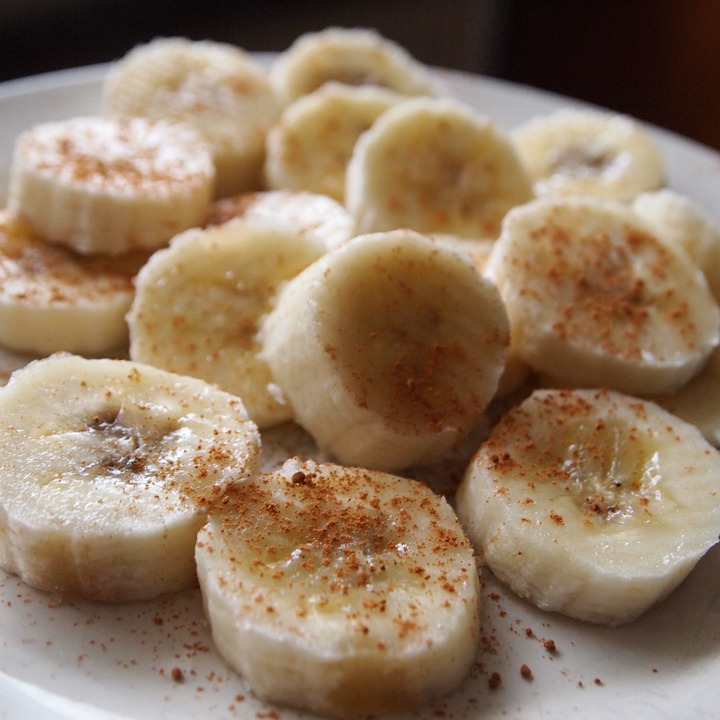
The Role of Banana and Cinnamon in a Sleep-Supportive Diet: An Evidence-Based Review

by Andreea Smiterson
0 comments
A+A-
Reset

Sleep disturbances are a significant public health concern, often leading individuals to seek alternatives to conventional sleeping medications due to potential side effects. Consequently, interest in natural and dietary approaches has grown considerably. Among these, the combination of banana and cinnamon is often discussed in popular wellness circles. This article provides a professional evaluation of their potential roles in promoting restful sleep, clarifies the scientific basis for their effects, and outlines crucial safety protocols, while also presenting well-validated therapeutic alternatives.

⚠️ WARNING – Risk of Liver Toxicity with Common Cinnamon!

It is crucial to distinguish between Ceylon cinnamon (“true” cinnamon) and Cassia cinnamon (the most common and inexpensive type). Cassia cinnamon contains high levels of coumarin, a compound that can cause liver damage in sensitive individuals or when consumed in large amounts over extended periods. Therefore, for regular therapeutic use, selecting Ceylon cinnamon is strongly recommended.

Understanding the Components: Banana and Cinnamon

Instead of relying on anecdotal recipes, it is more productive to analyze the scientifically recognized properties of each ingredient. The popular remedy of boiling a whole banana, including its peel, lacks scientific validation and may introduce contaminants like pesticides into the beverage. A safer and more logical approach involves consuming the fruit and a separately prepared cinnamon infusion as part of a bedtime routine.

Banana: A Source of Key Nutrients

Bananas contribute to sleep readiness through their nutritional profile rather than a direct sedative effect. Specifically, they are a valuable source of:

    • Potassium and Magnesium: These minerals are essential for muscle function and nerve signaling. Magnesium, in particular, plays a role in regulating neurotransmitters that promote calm and relaxation, potentially helping to ease the body into sleep.
    • Tryptophan: This amino acid is a precursor to serotonin, a neurotransmitter that influences mood and sleep-wake cycles. Serotonin is subsequently converted into melatonin, the body’s primary sleep-regulating hormone.
    • Carbohydrates: The natural sugars in bananas can cause a slight increase in blood sugar, which may help tryptophan cross the blood-brain barrier more effectively, thereby facilitating serotonin production.

Cinnamon: A Warming Spice with Calming Properties

Cinnamon (Cinnamomum verum or Cinnamomum cassia) is traditionally used for its warming and soothing properties. While direct research on cinnamon as a primary sleep aid is limited, its potential benefits are linked to:

    • Blood Sugar Regulation: Cinnamon may help moderate blood sugar levels. Preventing sharp spikes and drops in glucose during the night can contribute to more stable, uninterrupted sleep.
    • Anti-inflammatory Effects: Chronic inflammation can disrupt sleep patterns. Cinnamon’s antioxidant and anti-inflammatory compounds may help reduce systemic inflammation, indirectly supporting better rest.
    • Relaxing Aroma: The warm, pleasant scent of cinnamon can have a psychologically calming effect, making it a suitable component of a relaxing pre-sleep ritual.

Administration Protocol and Safety Limits

This protocol focuses on the safe consumption of a cinnamon infusion and a banana as a complementary dietary strategy, not as a standalone cure for insomnia.

Treatment Duration

    • Standard Use: This routine can be followed for 21 consecutive days.
    • Mandatory Break: It is advisable to take a 7-day break after three weeks to prevent habituation and assess baseline sleep quality.
    • Long-Term Use: If used long-term, prioritize Ceylon cinnamon to minimize coumarin exposure.

Quantity and Maximum Dose

    • Cinnamon Infusion: Prepare using 1/2 teaspoon (approximately 1 gram) of Ceylon cinnamon powder or one cinnamon stick per cup (250 ml) of hot water. The maximum recommended daily dose for a healthy adult is one cup per day.
    • Banana: One medium-sized banana is sufficient.
    • Overdose Risk: Exceeding 1-2 grams of Cassia cinnamon daily over several weeks significantly increases the risk of hepatotoxicity (liver damage) due to coumarin accumulation.

Administration Condition

    • Timing: Consume the banana and warm cinnamon tea approximately 60-90 minutes before your intended bedtime.
    • Method of Consumption: Drink the tea while it is warm. This allows the body time to digest the banana and for the tryptophan to become available.
    • Incompatibilities: Do not add large amounts of sugar to the tea, as this can counteract the blood sugar-stabilizing effects.

Specific Biological Limitation

Cinnamon: Coumarin Content and Anticoagulant Effects

The primary biological limitation of cinnamon, particularly the widely available Cassia variety, is its coumarin content. Coumarin is a natural compound that has potent blood-thinning (anticoagulant) properties and is hepatotoxic at high doses. The German Federal Institute for Risk Assessment (BfR) has established a tolerable daily intake (TDI) of 0.1 mg of coumarin per kg of body weight. Cassia cinnamon can contain up to 1% coumarin, meaning a single teaspoon could exceed the safe daily limit for a smaller adult. This effect becomes dangerous for individuals with liver conditions or those already taking anticoagulant medications.

Banana: High Potassium Content (Hyperkalemia Risk)

Bananas are rich in potassium, an essential electrolyte. While this is beneficial for most people, it poses a risk for individuals with compromised kidney function. Diseased kidneys cannot effectively excrete excess potassium, leading to a dangerous condition called hyperkalemia (high blood potassium), which can cause cardiac arrhythmias. Furthermore, patients taking certain medications, such as ACE inhibitors or angiotensin II receptor blockers for hypertension, are also at a higher risk of hyperkalemia and should moderate their potassium intake.

Contraindications and Precautions

Absolute Contraindications

    • Liver Disease: Individuals with cirrhosis, hepatitis, or any known liver impairment should avoid Cassia cinnamon completely.
    • Kidney Failure: Patients with chronic kidney disease must consult their physician before regularly consuming bananas due to the risk of hyperkalemia.
    • Allergies: A known allergy to cinnamon or bananas is an absolute contraindication.

Vulnerable Populations

    • Pregnancy and Breastfeeding: While culinary amounts are safe, medicinal doses of cinnamon are not recommended during pregnancy as they may stimulate uterine contractions. Safety during breastfeeding has not been established.
    • Children: Use with caution. Doses should be significantly lower than for adults, and Ceylon cinnamon is the only appropriate choice.
    • Diabetes: While cinnamon may help regulate blood sugar, it does not replace medication. Monitor glucose levels closely. Bananas should be factored into daily carbohydrate counts.

Major Drug Interactions

    • Anticoagulants (e.g., Warfarin, Heparin): Cinnamon, especially Cassia, can potentiate the effects of these drugs, increasing the risk of bleeding and hemorrhage.
    • Hepatotoxic Medications: Combining Cassia cinnamon with other drugs known to be hard on the liver (e.g., acetaminophen, certain statins) can increase the risk of liver damage.
    • Diabetes Medications: Cinnamon can enhance the effect of insulin and oral hypoglycemic drugs, potentially leading to hypoglycemia (low blood sugar).

Therapeutic Alternatives

If this combination is not suitable or effective, several well-researched botanical alternatives for sleep support exist.

Botanical Alternatives with Studies

    • Valerian Root (Valeriana officinalis): This is one of the most studied herbs for insomnia. It appears to work by increasing levels of gamma-aminobutyric acid (GABA), a calming neurotransmitter in the brain. It is particularly effective for sleep latency (difficulty falling asleep).
    • Chamomile (Matricaria recutita): A gentle sedative, chamomile contains an antioxidant called apigenin that binds to specific receptors in the brain, which may decrease anxiety and initiate sleep. It is considered very safe and suitable for mild sleep disturbances.
    • Lemon Balm (Melissa officinalis): Often combined with Valerian, Lemon Balm is known for reducing stress and anxiety, promoting a sense of calm that is conducive to sleep.

Pharmacological Options

For chronic or severe insomnia, consulting a healthcare provider is essential. They may recommend cognitive-behavioral therapy for insomnia (CBT-I) or prescribe medications when appropriate.

How to Choose Quality Ingredients

Selecting the Right Cinnamon

Criterion Ceylon Cinnamon (“True Cinnamon”) Cassia Cinnamon (Common)
Appearance Tan-brown color, thin, fragile layers rolled into a stick. Dark reddish-brown, thick, hard single layer.
Coumarin Content Very low (approx. 0.004%). Considered safe. High (approx. 1%). Poses a risk of liver toxicity.
Flavor Subtle, sweet, and complex. Strong, spicy, and pungent.
Where to Buy Health food stores, specialty spice shops, online. Most common type in supermarkets.

For therapeutic purposes, always choose certified organic Ceylon cinnamon to ensure safety and quality.

Quick Guide: Banana and Cinnamon Safety

Category Details
❌ Who should AVOID • Individuals with liver disease (especially Cassia cinnamon)
• Patients with chronic kidney disease (bananas)
• People on anticoagulant medication
• Pregnant women (medicinal doses of cinnamon)
📊 Maximum safe dose • Adults: 1 cup cinnamon tea + 1 banana per day
• Treatment duration: 21 days
• Mandatory break: 7 days
🚨 ALARM signs • Yellowing of skin or eyes (jaundice)
• Unusual bruising or bleeding
• Persistent abdominal pain or nausea
• Mouth sores or skin rash (allergic reaction)
💊 Major interactions • Blood thinners (Warfarin, Heparin)
• Diabetes medications
• Hepatotoxic drugs
⏱️ When to consult doctor IMMEDIATELY if alarm signs appear OR
If insomnia persists or worsens after 2 weeks.

💡 Golden rule: When in doubt, consult a healthcare professional or a registered herbalist before starting any new therapeutic regimen.

Specialist’s Summary

The combination of a banana and cinnamon tea serves as a mild, complementary nutritional strategy for improving sleep readiness rather than a direct treatment for insomnia. Its benefits derive from the muscle-relaxing minerals and tryptophan in bananas and the blood sugar-stabilizing properties of cinnamon. However, it is contraindicated for individuals with liver or kidney disease and interacts significantly with anticoagulant medications. For clinically meaningful effects on sleep, validated botanical alternatives like Valerian root and Chamomile have a much stronger evidence base.

Frequently Asked Questions

Can banana and cinnamon tea cure chronic insomnia?

No. This combination is not a cure for chronic insomnia. It should be viewed as a supportive element within a broader sleep hygiene strategy, which includes maintaining a regular schedule, creating a restful environment, and managing stress. Chronic insomnia requires a comprehensive medical evaluation.

How long does it take to see results?

The effects are subtle and not immediate like a sleeping pill. If this routine is going to be helpful, you might notice a modest improvement in relaxation or sleep quality within one to two weeks of consistent use. It does not work for everyone.

Is it safe to drink banana and cinnamon tea every night?

It is generally safe for healthy individuals to drink one cup per night, provided you use Ceylon cinnamon. Due to the coumarin content, daily long-term consumption of Cassia cinnamon is not recommended. A 3-week-on, 1-week-off cycle is a prudent approach for any herbal intervention.

What are better-studied natural alternatives for sleep?

For individuals seeking natural sleep aids with more robust scientific backing, Valerian root (Valeriana officinalis), Chamomile (Matricaria recutita), and Lemon Balm (Melissa officinalis) are excellent, well-researched options. They have demonstrated efficacy in clinical trials for improving sleep quality and reducing sleep latency.

Sources and References

Recent Studies and Reviews (2020-2026)

Official Monographs


You may also like

Leave a Comment