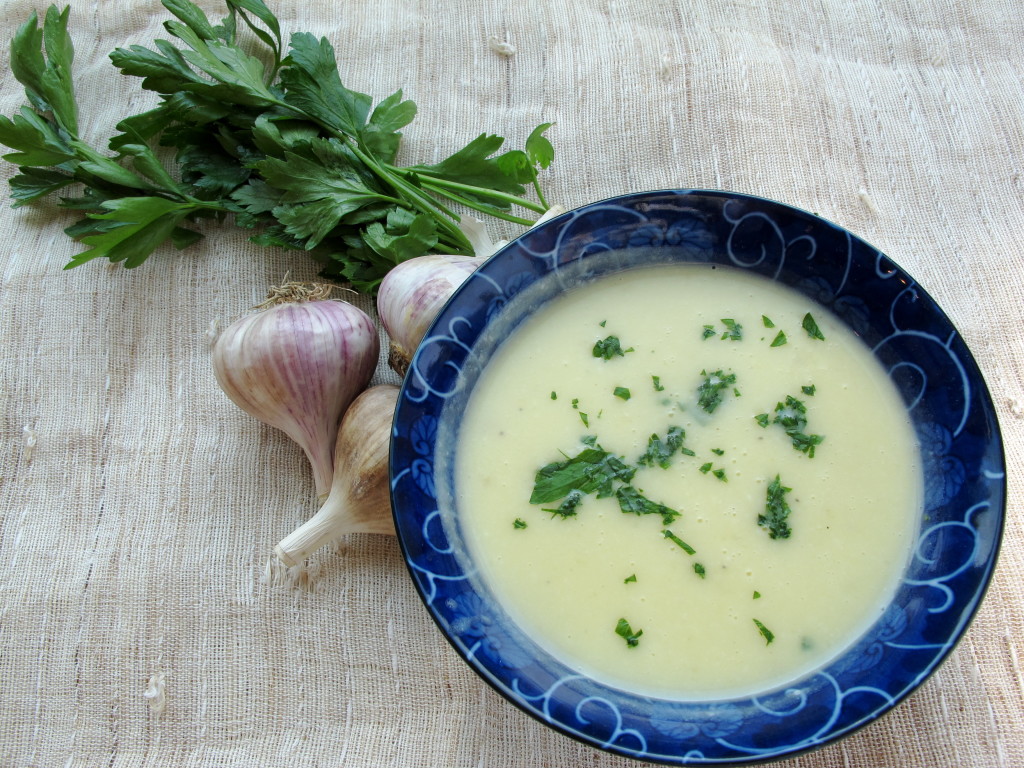
Garlic Soup for Immune Support: A Traditional Recipe and Health Benefits

by Andreea Smiterson
0 comments
A+A-
Reset

Garlic (*Allium sativum*) has been a cornerstone of both culinary and traditional medicine practices for centuries. Valued for its potent aroma and flavor, it is also recognized for its significant health-promoting properties, primarily attributed to its rich sulfur compounds like allicin. This traditional French garlic soup is a palatable way to incorporate garlic into your diet, especially during seasons when immune support is a priority.

However, while traditionally used for a wide range of ailments, it is crucial to understand its evidence-based benefits, proper use, and safety limitations. This article provides a phytotherapy specialist’s perspective on garlic soup, separating traditional wisdom from scientifically validated information.

garlic soup recipe

The Science Behind Garlic’s Potential Benefits

Garlic’s therapeutic actions are primarily linked to allicin, a compound released when a garlic clove is crushed or chopped. For this reason, allowing chopped garlic to sit for 10-15 minutes before cooking can help maximize its potential benefits.

  • Immune System Support: Research suggests that garlic may enhance the function of the immune system by stimulating certain cell types, such as macrophages and lymphocytes. For instance, a review published in the *Journal of Immunology Research* indicates that garlic compounds can modulate cytokine secretion, which plays a vital role in the body’s defense mechanisms.
  • Cardiovascular Health: Furthermore, clinical studies have explored garlic’s role in cardiovascular wellness. According to the World Health Organization (WHO) monograph on *Allium sativum*, garlic preparations have been shown to have modest benefits in reducing blood pressure (hypotensive effects) and lowering cholesterol levels, which are key factors in heart health.
  • Antimicrobial Properties: Traditionally, garlic was used for its antimicrobial effects. Modern in-vitro studies confirm that allicin exhibits broad-spectrum antibacterial and antifungal activity. However, it is important to note that consuming garlic soup is not a substitute for prescribed antibiotics for active infections.

Traditional Garlic Soup Recipe

This recipe, inspired by traditional preparations from southern France, offers a gentle way to consume garlic. Cooking garlic can reduce the potency of allicin but makes it easier on the digestive system for those with sensitive stomachs.

Ingredients:

  • 1.5 liters of vegetable or chicken broth
  • 15-20 cloves of garlic, peeled
  • 1 large onion, chopped
  • 2 teaspoons of extra virgin olive oil
  • 6 slices of day-old whole-grain bread, cubed
  • Sea salt and freshly ground black pepper to taste
  • Fresh parsley, chopped (for garnish)

Preparation:

  1. First, peel the garlic cloves and chop them finely. To maximize the formation of beneficial compounds, let the chopped garlic rest for 10 minutes before cooking.
  2. In a large pot, gently heat the olive oil over medium heat. Add the chopped onion and sauté until translucent, for about 5-7 minutes.
  3. Next, add the prepared garlic and cook for another minute until fragrant, being careful not to let it brown.
  4. Pour in the broth, add salt and pepper, and bring the mixture to a boil. Once boiling, reduce the heat, cover the pot, and let it simmer for 15-20 minutes to allow the flavors to meld.
  5. Subsequently, add the bread cubes to the soup. Continue to simmer until the bread is completely soft and has absorbed the liquid.
  6. Finally, use an immersion blender to blend the soup directly in the pot until you achieve a smooth, creamy consistency. Alternatively, you can carefully transfer the soup in batches to a standard blender.
  7. Taste and adjust seasoning if necessary. Serve hot, garnished with fresh parsley.

Administration Protocol and Safety Limits

While garlic is a common food, concentrated or medicinal use requires clear safety protocols.

Protocol Guideline
Therapeutic Duration For consistent dietary support, garlic can be consumed regularly. If using standardized supplements for a specific goal, a common cycle is 3 months of use followed by a 1-month break.
Maximum Daily Dose The WHO suggests a daily dose of 2-5 grams of fresh garlic (approximately 1-2 cloves) for general health benefits. Doses for standardized extracts should follow product labels, typically ranging from 600-1200 mg daily.
Administration Condition Consuming garlic with food, as in this soup, can minimize potential gastrointestinal upset. Raw garlic is best consumed with meals to buffer its effect on the stomach lining.

Specific Biological Limitation

Anticoagulant (Blood-Thinning) Effect: Garlic contains compounds that can inhibit platelet aggregation, which is the process of blood cells clumping together to form clots. While this can be beneficial for cardiovascular health, it poses a significant risk for individuals with bleeding disorders or those taking anticoagulant or antiplatelet medications. This effect increases the risk of excessive bleeding and bruising.

Technical Warning: Due to this mechanism, all concentrated garlic supplements should be discontinued at least 7-10 days before any scheduled surgery or dental procedure to prevent complications related to bleeding.

Contraindications and Precautions

Despite being a food, garlic has powerful physiological effects and is not suitable for everyone.

  • Absolute Contraindications: Individuals with a known allergy to garlic or other plants in the *Allium* family (onion, leek, chives) should avoid it. Moreover, it is contraindicated for those with active bleeding disorders like hemophilia.
  • Major Drug Interactions: Garlic can interact significantly with certain medications.
    • Anticoagulants (e.g., Warfarin) and Antiplatelets (e.g., Clopidogrel, Aspirin): Garlic can amplify the effects of these drugs, substantially increasing the risk of bleeding.
    • HIV Protease Inhibitors (e.g., Saquinavir): Garlic supplements have been shown to reduce the blood levels of these medications, potentially leading to treatment failure.
    • Isoniazid: Garlic may interfere with the absorption and efficacy of this tuberculosis medication.
  • Vulnerable Populations:
    • Pregnancy and Breastfeeding: Normal dietary amounts are considered safe. However, high-dose medicinal supplements are not recommended due to a lack of safety data.
    • Gastrointestinal Issues: Individuals with GERD or IBS may find that garlic exacerbates symptoms like heartburn or bloating.
  • Documented Adverse Effects: The most common side effects are breath and body odor, heartburn, and stomach upset. In rare cases, high doses can cause nausea or dizziness.

Therapeutic Alternatives

If garlic is not suitable for you, other botanicals offer similar supportive actions.

  1. Elderberry (*Sambucus nigra*): For immune support, especially for upper respiratory symptoms, elderberry syrup is a well-researched alternative. Studies indicate it may help reduce the duration and severity of cold and flu symptoms.
  2. Olive Leaf Extract (*Olea europaea*): As an alternative for cardiovascular support, olive leaf extract contains oleuropein, a compound studied for its potential to help maintain healthy blood pressure and cholesterol levels already within the normal range.

Note: These alternatives also have their own specific contraindications and should be discussed with a healthcare provider.

Recent Medical Research (2020-2026)

Modern science continues to validate garlic’s traditional uses. A 2023 meta-analysis published in *Frontiers in Nutrition* concluded that garlic supplementation has a significant positive effect on lowering both systolic and diastolic blood pressure, particularly in hypertensive individuals. Furthermore, research into garlic’s immunomodulatory effects remains active, with studies exploring its impact on gut microbiota and its subsequent influence on systemic immunity. However, the exact dosage and preparation method for optimal benefits are still areas of ongoing investigation.

Specialist’s Summary

Garlic, consumed as a food like this traditional soup, is a safe and beneficial way to support general immune and cardiovascular health for most people. Its effects are supportive and build over time. However, it is strongly contraindicated for individuals on blood-thinning medications or with bleeding disorders due to its anticoagulant properties. Validated alternatives for immune and cardiovascular support include Elderberry and Olive Leaf Extract, respectively.

Frequently Asked Questions

Is cooked garlic as healthy as raw garlic?
Cooking can deactivate some of the heat-sensitive allicin, reducing some of garlic’s therapeutic potency. However, cooked garlic still retains many health benefits, is easier to digest, and is a practical way to include it in your diet regularly.

Can garlic soup cure a cold or the flu?
No, garlic soup cannot cure a cold or the flu. It can, however, provide hydration, nutrients, and compounds that may help support your immune system’s natural response to an infection. It should be considered a supportive measure, not a treatment.

How much garlic is too much?
Exceeding 4-5 cloves of raw garlic per day may lead to significant gastrointestinal distress, body odor, and an increased risk of bleeding for susceptible individuals. Stick to culinary amounts or follow supplement guidelines from reputable sources.

Sources and References

  • World Health Organization. (1999). WHO Monographs on Selected Medicinal Plants – Volume 1: Bulbus Allii Sativi. Link to Monograph
  • Ansary, J., et al. (2020). Immunomodulatory Effect of Garlic (Allium sativum). Journal of Immunology Research.
  • Xiong, X. J., et al. (2023). The effect of garlic supplementation on blood pressure: An updated meta-analysis of randomized controlled trials. Frontiers in Nutrition.

⚠️ Important Medical Information

This article is for educational and informational purposes only and is not intended as medical advice, diagnosis, or treatment. The information provided about Garlic (*Allium sativum*) is based on traditional use, preliminary research, and available scientific evidence, which may be limited.

Before using Garlic in medicinal quantities:

  • Consult a qualified healthcare provider, especially if you are pregnant, breastfeeding, taking medications (particularly blood thinners), or have existing health conditions like bleeding disorders or GERD.
  • Do not use as a substitute for prescribed medications or professional medical treatment for infections or cardiovascular disease.
  • Individual results may vary – what works for one person may not work for another.
  • Monitor for adverse reactions and discontinue use if negative symptoms occur.

Regulatory status: Garlic, when sold as a supplement, is considered a dietary supplement and has not been evaluated by the FDA for treating, curing, or preventing any disease.


You may also like

Leave a Comment