Natural Support for Fungal Infections: A Safety Guide to Herbal Remedies

by Andreea Smiterson
1 comment
A+A-
Reset

Fungal infections can affect various parts of the body, including the skin, nails, and mucous membranes. While fungi are a natural part of our environment, certain species can cause infections, particularly when the body’s defenses are compromised. Indeed, factors such as a weakened immune system, diabetes, poor circulation, or prolonged antibiotic use can increase susceptibility. Common examples of skin fungal infections include athlete’s foot (Tinea pedis), jock itch (Tinea cruris), and ringworm (Tinea corporis).

Although conventional antifungal medications are the standard and most effective treatment, some botanicals have been traditionally used and are being scientifically investigated for their supportive role. However, it is crucial to approach these remedies with a clear understanding of their proper use, limitations, and safety protocols. This guide provides an evidence-based overview of herbal options that may help manage mild, superficial fungal infections.

home remedies for fungal infections

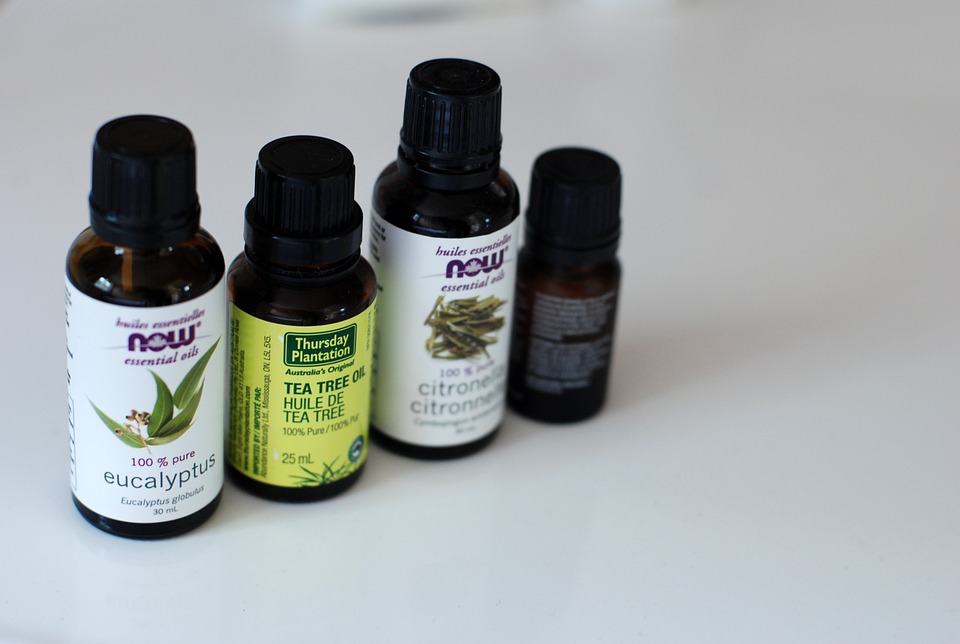
1. Tea Tree Oil (Melaleuca alternifolia)

Tea tree oil is one of the most researched essential oils for its antimicrobial properties. Its primary active component, terpinen-4-ol, has demonstrated significant antifungal activity in laboratory settings. For this reason, it has a long history of use in traditional medicine for various skin conditions.

Mechanism of Action

Research published in journals like the Journal of Fungi indicates that terpinen-4-ol disrupts the cell membrane integrity of fungi, including dermatophytes that cause skin infections and yeasts like Candida albicans. Consequently, this action inhibits their growth and replication.

Administration Protocol and Safety Limits

Proper application is critical to avoid adverse reactions. Therefore, you must follow these safety measures strictly.

Protocol Instructions
Dilution (Mandatory) Never use undiluted. Mix 2-3 drops of tea tree oil with 1 teaspoon (5 ml) of a carrier oil (e.g., coconut, jojoba, or almond oil). This creates a safe concentration of approximately 2-5%.
Patch Test Before first use, apply a small amount of the diluted oil to an unaffected patch of skin (like the inner forearm). Wait 24 hours to check for redness, itching, or irritation.
Application Apply the diluted mixture to the clean, dry, affected area 2 times per day using a cotton ball.
Treatment Duration Use for a maximum of 14 days. If there is no improvement, or if the condition worsens, discontinue use and consult a healthcare provider.

Specific Biological Limitation

Skin Sensitization: Tea tree oil contains compounds that can be potent skin irritants and allergens for some individuals. The risk of developing contact dermatitis increases significantly when the oil is used undiluted, on broken skin, or over long periods. Furthermore, oxidation from improper storage (exposure to air and light) can increase its irritant potential.

2. Garlic (Allium sativum)

Garlic has been revered for centuries in traditional medicine for its powerful antimicrobial effects. Its primary antifungal compound is allicin, which is released when a fresh clove is crushed or chopped. Allicin is a sulfur-containing compound responsible for garlic’s characteristic aroma and therapeutic properties.

Mechanism of Action

Studies suggest that allicin can inhibit key enzymes in fungal pathogens, thereby disrupting their metabolic processes. However, allicin is notoriously unstable and degrades quickly, which makes standardized topical application challenging. While promising in vitro, its clinical effectiveness on skin requires more robust research.

Administration Protocol and Safety Limits

⚠️ High Risk of Skin Irritation: Raw garlic can cause significant skin irritation, contact dermatitis, and even chemical burns. For this reason, extreme caution is necessary.

Protocol Instructions
Preparation Crush 1-2 fresh garlic cloves and mix them with 1 tablespoon of a carrier oil like olive or coconut oil. Let the mixture infuse for 30 minutes, then strain out the garlic pieces.
Patch Test Apply a tiny amount of the infused oil to a small patch of skin. Wait 24 hours to ensure no severe reaction occurs.
Application Apply the infused oil to the affected area once daily. Do not leave it on for more than 15-20 minutes.
Rinsing Thoroughly rinse the area with lukewarm water and pat dry.
Treatment Duration Use for a maximum of 7 days. Discontinue immediately if any redness, burning, or blistering occurs.

Internal Use: Incorporating fresh garlic into your diet may support overall immune function. However, consuming garlic orally is not a direct treatment for a localized external fungal infection.

Contraindications and Precautions

Absolute Contraindications (FORBIDDEN)

  • Internal Use of Essential Oils: Never ingest tea tree oil or other essential oils. They are toxic when swallowed.
  • Mucous Membranes: Do not apply tea tree oil or raw garlic preparations to sensitive areas like the eyes, inside the nose, or genitals. The advice to use tea tree oil on a tampon is extremely dangerous and can cause severe chemical burns and disrupt the vaginal microbiome.
  • Broken or Inflamed Skin: Avoid applying these remedies to open wounds, as this increases the risk of severe irritation and systemic absorption.

Vulnerable Populations

  • Pregnancy and Breastfeeding: The safety of topical tea tree oil and garlic during pregnancy has not been established. It is best to avoid them.
  • Children: Do not use these remedies on infants or young children due to their sensitive skin and higher risk of adverse reactions.
  • Allergies: Individuals with allergies to the Myrtaceae family (e.g., eucalyptus, clove) may react to tea tree oil. Similarly, those with lily family allergies may react to garlic.

Therapeutic Alternatives

If these herbal remedies are not suitable or effective, consider these validated alternatives.

Botanical Alternatives with Studies

  1. Oregano Oil (Origanum vulgare): Contains carvacrol, a potent antifungal compound. It is very strong and must be heavily diluted (1-2 drops per teaspoon of carrier oil) and patch-tested before use.
  2. Neem Oil (Azadirachta indica): Traditionally used in Ayurvedic medicine for skin ailments, neem oil has demonstrated antifungal properties and is generally gentler on the skin than tea tree or oregano oil.

Pharmacological Option

  • Over-the-Counter (OTC) Antifungal Creams: Products containing active ingredients like clotrimazole, miconazole, or terbinafine are the medically recognized first-line treatment for most superficial fungal infections. They are specifically formulated for safety and efficacy and are often the most reliable option.

Recent Medical Research (2020-2026)

Modern research continues to explore the potential of these traditional remedies. For instance, a 2022 review in the Journal of Fungi reaffirmed the broad-spectrum antifungal activity of tea tree oil against various pathogens, highlighting its ability to disrupt fungal cell walls. Additionally, research continues to investigate novel delivery systems, such as nanoparticles, to enhance the stability and efficacy of compounds like allicin from garlic for therapeutic use. However, researchers consistently emphasize the need for more large-scale human clinical trials to establish standardized, safe, and effective protocols.

Specialist’s Summary

Tea tree oil and garlic offer potential supportive care for mild, superficial fungal infections due to their researched antifungal compounds. However, their use is limited by a significant risk of skin irritation and the lack of standardized dosages. These remedies are absolutely contraindicated for internal use or on mucous membranes. For reliable and safe treatment, medically approved over-the-counter antifungal creams remain the superior choice, especially if the infection does not improve quickly.

Frequently Asked Questions

1. Can I apply pure tea tree oil directly to a fungal infection?

No. You should never apply undiluted tea tree oil to the skin. It is a potent substance that can cause chemical burns, severe irritation, and allergic contact dermatitis. Always dilute it to a 2-5% concentration in a carrier oil.

2. Is apple cider vinegar effective for fungal infections?

While apple cider vinegar has some antimicrobial properties due to its acidity, the scientific evidence supporting its use for skin fungal infections is very limited and largely anecdotal. It can also irritate the skin, and more effective, evidence-based options are available.

3. How long does it take for these remedies to work?

If effective, you might notice a minor improvement in symptoms like itching within a week. However, completely resolving a fungal infection can take several weeks. If you see no improvement after 7-14 days of consistent, safe use, you should stop and consult a healthcare provider.

4. Are these herbal remedies safe during pregnancy?

No, their safety has not been established. Due to the potential for skin absorption and lack of safety data, it is recommended to avoid topical application of tea tree oil, garlic preparations, and other strong essential oils during pregnancy and breastfeeding. Always consult your doctor for approved treatments.

Sources and References

  1. Malik, T., et al. (2022). Tea Tree Oil (Melaleuca alternifolia) as an Alternative Agent to Control Fungal Pathogens. Journal of Fungi, 8(1), 33. https://doi.org/10.3390/jof8010033
  2. Kyriacou, A., et al. (2021). Antimicrobial activity of garlic (Allium sativum) and its bioactive compounds. Microbiology Society. https://www.microbiologyresearch.org/content/journal/micro/10.1099/mic.0.001029
  3. Carson, C. F., Hammer, K. A., & Riley, T. V. (2006). Melaleuca alternifolia (Tea Tree) oil: a review of antimicrobial and other medicinal properties. Clinical microbiology reviews, 19(1), 50–62.

⚠️ Important Medical Information

This article is for educational and informational purposes only and is not intended as medical advice, diagnosis, or treatment. The information provided about Tea Tree Oil and Garlic is based on traditional use, preliminary research, and available scientific evidence, which may be limited.

Before using any herbal remedy:

  • Consult a qualified healthcare provider to get an accurate diagnosis and discuss safe treatment options, especially if you are pregnant, breastfeeding, taking medications, or have existing health conditions.
  • Do not use as a substitute for prescribed medications or professional medical treatment. Fungal infections can worsen or spread if not treated properly.
  • Individual results may vary – what works for one person may not work for another.
  • Monitor for adverse reactions and discontinue use immediately if negative symptoms like burning, rash, or worsening of the condition occur.


You may also like

1 comment

Amber Rousseau
Amber Rousseau January 14, 2016 - 20:13

Myrrh oil works wonders combined with apple cider vinegar.

Reply

Leave a Comment