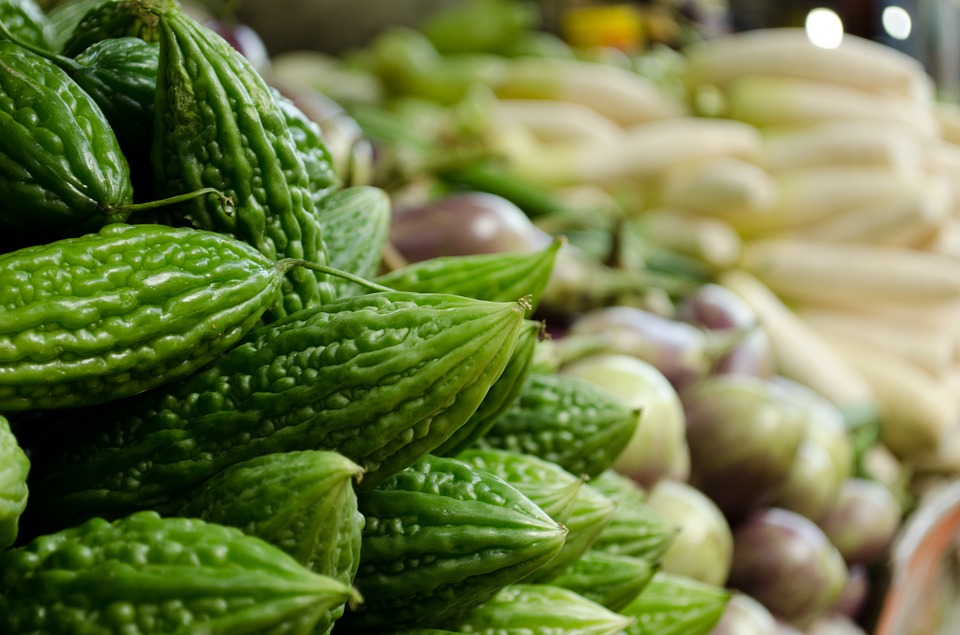
Known botanically as *Momordica charantia*, bitter melon is a tropical vine widely cultivated in Asia, Africa, and the Caribbean. For centuries, it has been a staple in traditional medicine systems, particularly Ayurveda and Traditional Chinese Medicine, where practitioners have used it for a range of health concerns. While its intensely bitter taste can be challenging, modern research is beginning to explore the scientific basis for its historical uses, especially concerning metabolic health.
However, it is crucial to understand that while bitter melon shows promise, it is a potent plant that requires careful and informed use. This article provides an evidence-based overview of its potential benefits, preparation, and essential safety protocols.

How to Prepare Bitter Melon Juice
Preparing fresh bitter melon juice is straightforward. For optimal safety and efficacy, it is important to follow a precise method and avoid additives that can counteract its effects.
- Selection: Choose two small, firm, green bitter melons. Avoid those that are overly ripe or turning yellow.
- Preparation: Wash the melons thoroughly. Slice them lengthwise and use a spoon to scoop out the white pith and seeds, as these are the most bitter parts.
- Soaking (Optional): Chop the green flesh into smaller pieces. To reduce some of the bitterness, you can soak the pieces in a bowl of cold, salted water for 20-30 minutes. Rinse well afterward.
- Juicing: Place the chopped pieces into a juicer or a high-speed blender with a small amount of water. Blend until smooth.
- Straining: Pour the mixture through a fine-mesh sieve or cheesecloth to remove the pulp, leaving only the juice.
To improve the taste, consider adding a splash of fresh lemon juice or a small piece of ginger before blending. Importantly, avoid adding sugar or honey, as this would negate the potential blood sugar-regulating benefits.
Potential Health Benefits of Bitter Melon
While traditional use is extensive, modern scientific investigation is ongoing. Consequently, the evidence for some benefits is stronger than for others. Here is what current research suggests.
1. May Support Healthy Blood Sugar Levels
The most studied benefit of bitter melon is its potential role in blood glucose management. Indeed, research indicates it contains several active compounds that may influence glucose metabolism. According to a meta-analysis published in the Journal of Ethnopharmacology, compounds like charantin, vicine, and polypeptide-p (an insulin-like compound) appear to contribute to this effect. These substances may work by helping cells use glucose more effectively and slowing the absorption of sugar in the gut.
For this reason, it has been traditionally used as an adjunct support for individuals with metabolic concerns. However, it is not a replacement for medical treatment.
2. Rich in Antioxidants and Nutrients
Bitter melon is a source of several important nutrients, including Vitamin C, Vitamin A, and folate. Furthermore, it contains phenolic compounds and flavonoids that act as antioxidants. These antioxidants help neutralize unstable molecules called free radicals, thereby reducing oxidative stress in the body. Chronic oxidative stress is linked to cellular aging and various health issues, so a diet rich in antioxidants is beneficial for overall wellness.
3. May Help Maintain Healthy Cholesterol Levels
Preliminary research suggests that bitter melon may have a positive effect on lipid profiles. For instance, some animal studies have observed a reduction in LDL (“bad”) cholesterol and triglyceride levels after supplementation. The proposed mechanism involves influencing fat metabolism in the liver. Despite these promising findings, large-scale human clinical trials are needed to confirm these effects and establish clear recommendations.
4. Potential Anti-Cancer Properties (Preliminary Research)
It is critical to state that bitter melon is not a cure or treatment for cancer. However, laboratory (in vitro) studies have investigated extracts from bitter melon against various cancer cell lines, including breast, prostate, and cervical cancer. These studies suggest that certain compounds may induce cancer cell death or inhibit their growth. This area of research is in its infancy, and the findings cannot be applied to human health without extensive clinical trials.
Administration Protocol and Safety Limits
Due to its potent biological activity, you must adhere to strict guidelines when consuming bitter melon juice to ensure safety and avoid adverse effects.
Treatment Duration and Cycles
- Treatment Duration: Limit continuous consumption to a maximum of 4 weeks.
- Mandatory Break: After a 4-week cycle, take a mandatory break of at least 2 weeks.
- Maximum Treatments Per Year: It is advisable not to exceed 4-5 treatment cycles per year to avoid potential long-term effects on the liver or blood sugar regulation.
Quantity and Maximum Dose
- Maximum Daily Dose: For a healthy adult, the maximum recommended daily intake of fresh juice is approximately 50-100 mL (about 3.5 ounces).
- Frequency: It is best to consume this dose in two divided portions during the day.
- Overdose Risk: Exceeding 100 mL per day significantly increases the risk of hypoglycemia (dangerously low blood sugar), severe gastrointestinal distress, and potential liver enzyme elevation.
Administration Conditions
- Timing: Always consume bitter melon juice with or immediately after a meal. Never drink it on an empty stomach, as this dramatically increases the risk of hypoglycemia.
- Hydration: Ensure adequate water intake throughout the day.
- Incompatibilities: Do not combine with other potent hypoglycemic herbs or supplements without professional guidance.
Specific Biological Limitation
The primary mechanism of bitter melon involves its insulin-like effects and its ability to enhance glucose uptake by cells. This action is beneficial for managing high blood sugar but poses a significant risk for individuals with normal or low blood sugar, or those taking diabetes medication.
Technical Warning: The compounds in bitter melon can cause a rapid and unpredictable drop in blood glucose. This hypoglycemic effect can lead to dizziness, confusion, fainting, and in severe cases, a medical emergency. Therefore, self-monitoring of blood sugar levels is essential for anyone with diabetes who is considering its use under medical supervision.
Contraindications and Precautions
Bitter melon is not safe for everyone. You must avoid it in the following situations.
| Group or Condition | Reason for Contraindication |
| Pregnancy and Breastfeeding | Absolutely contraindicated. Bitter melon contains compounds that can stimulate uterine contractions, potentially leading to premature labor or miscarriage. It is also not recommended during breastfeeding due to a lack of safety data. |
| Individuals on Diabetes Medication | High risk of severe hypoglycemia. Combining bitter melon with insulin, sulfonylureas (e.g., glipizide), or metformin can cause a dangerous drop in blood sugar. Use is only possible under strict medical supervision with dose adjustments. |
| Upcoming Surgery | Discontinue use at least 2 weeks before scheduled surgery, as it can interfere with blood sugar control during and after the procedure. |
| G6PD Deficiency | Individuals with this genetic condition are at risk of developing favism (hemolytic anemia) from compounds in bitter melon seeds. While the flesh is considered safer, the risk cannot be fully excluded. |
| Children | Not recommended for children due to the high risk of hypoglycemia and lack of safety studies. |
Documented Adverse Effects
- Common: Abdominal pain, diarrhea, and nausea, especially at higher doses.
- Severe (Rare): Hypoglycemic coma, irregular heartbeat, and elevation of liver enzymes with long-term, excessive use.
When to Stop Immediately: Discontinue use and consult a healthcare provider if you experience dizziness, cold sweats, confusion, severe stomach cramps, or headache.
Therapeutic Alternatives
If bitter melon is not suitable for you, other well-researched options may help support metabolic health. Always consult a professional before starting any new supplement.
- Cinnamon (*Cinnamomum cassia*): Research shows cinnamon can help improve insulin sensitivity, making cells more responsive to the body’s own insulin. It is generally milder than bitter melon and has a lower risk of causing hypoglycemia.
- Fenugreek (*Trigonella foenum-graecum*): The soluble fiber in fenugreek seeds helps slow the digestion and absorption of carbohydrates, leading to a more gradual rise in blood sugar after meals.
- Berberine: This plant alkaloid, found in herbs like Goldenseal and Oregon Grape, activates an enzyme called AMPK, which plays a central role in energy metabolism. Studies indicate its efficacy in blood sugar management is comparable to some pharmaceutical drugs.
Recent Medical Research (2020-2026)
Modern science continues to validate some of bitter melon’s traditional uses, while also highlighting the need for caution.
- A 2022 review in Molecules confirmed the presence of numerous bioactive compounds with hypoglycemic and hypolipidemic properties, reinforcing its potential for metabolic syndrome support. However, the authors stressed the need for standardized extracts and more robust human trials.
- Research published in the Journal of Medicinal Food in 2021 explored the synergistic effects of bitter melon compounds, suggesting that the whole fruit may be more effective than isolated chemicals.
Current Limitations: A significant gap in the research is the lack of long-term, large-scale human studies. Most trials are short, and the preparations used (juice, powder, extract) vary widely, making it difficult to establish a definitive, standardized dose.
Specialist’s Summary
Bitter melon is a potent botanical primarily useful for supporting blood sugar regulation in individuals with insulin resistance or as a complementary therapy under medical guidance. Its effects, which can appear within hours of consumption, are moderate but significant. However, it is strictly contraindicated during pregnancy and for those on diabetes medications due to a high risk of hypoglycemia. Validated alternatives with different mechanisms of action include cinnamon and fenugreek.
Frequently Asked Questions
1. Can bitter melon juice replace my diabetes medication?
No. Absolutely not. Bitter melon is not a substitute for prescribed medical treatment. Using it to replace medication can lead to uncontrolled blood sugar and serious health complications. It should only be considered as a complementary support under the direct supervision of a healthcare provider.
2. How long does it take for bitter melon to lower blood sugar?
The hypoglycemic effects can begin within 30-60 minutes of consumption and may peak around 4 hours. This rapid action is why it must be taken with food and why the dose must be carefully controlled.
3. Is it better to eat the whole fruit or drink the juice?
Eating the cooked fruit as part of a meal provides fiber, which can slow sugar absorption and may be gentler on the digestive system. The juice provides a more concentrated dose of the active compounds, which also increases the risk of side effects like hypoglycemia and stomach upset.
4. Is bitter melon safe for children, during pregnancy, or while breastfeeding?
No. It is unsafe in all these situations. For children, the risk of unpredictable hypoglycemia is too high. During pregnancy, it is strictly forbidden as it can induce uterine contractions. Its safety during breastfeeding has not been established, so it should be avoided.
Sources and References
Recent Studies (2020-2026):
- Mahwish, et al. (2022). An Insight into the Hypoglycemic and Hypolipidemic Effects of Momordica charantia. Molecules. https://www.ncbi.nlm.nih.gov/pmc/articles/PMC8951232/
- Peter, E. L., & Kasali, F. M. (2021). The effect of Momordica charantia in the management of diabetes mellitus: A review. Journal of Medicinal Food.
Official Monographs:
- World Health Organization (WHO). (1999). Monographs on Selected Medicinal Plants – Vol. 1. Fructus Mormordicae Charantiae.
⚠️ Important Medical Information
This article is for educational and informational purposes only and is not intended as medical advice, diagnosis, or treatment. The information provided about Bitter Melon (*Momordica charantia*) is based on traditional use, preliminary research, and available scientific evidence, which may be limited.
Before using Bitter Melon:
- Consult a qualified healthcare provider, especially if you are pregnant, breastfeeding, taking medications (particularly for diabetes), or have existing health conditions like G6PD deficiency.
- Do not use as a substitute for prescribed medications or professional medical treatment.
- Individual results may vary – what works for one person may not work for another.
- Monitor for adverse reactions and discontinue use if negative symptoms occur.