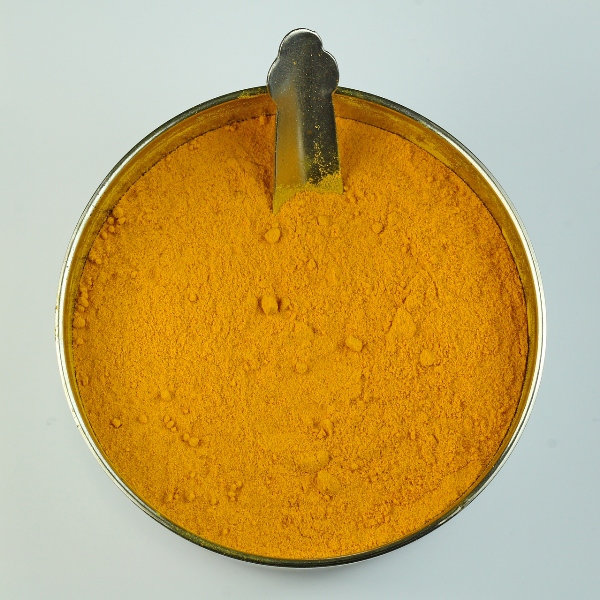
Turmeric for Mood Support: Benefits, Recipe, and Safety Guide

by Andreea Smiterson
0 comments
A+A-
Reset

Feeling down or experiencing a persistent low mood can be challenging. While these feelings are a normal part of life, clinical depression is a serious medical condition that requires professional diagnosis and treatment. In recent years, scientific interest has grown in how diet and natural compounds can support mental well-being. One such compound is curcumin, the active ingredient in turmeric (Curcuma longa), which has been studied for its potential mood-supporting properties.

However, it is crucial to approach this topic with caution and evidence. This article explores what research says about turmeric for mood, provides a supportive wellness recipe, and outlines essential safety protocols. This information is for educational purposes and is not a substitute for professional medical care.

turmeric lemonade for depression

Understanding Low Mood and Depression

Depression is a complex mood disorder characterized by persistent feelings of sadness, hopelessness, and a loss of interest in activities. Furthermore, its symptoms can significantly impact daily life and vary from person to person. Common signs include:

  • Persistent sadness, anxiety, or a feeling of “emptiness”
  • Feelings of hopelessness, guilt, or worthlessness
  • Irritability and restlessness
  • Loss of energy and chronic fatigue
  • Difficulty concentrating, remembering details, or making decisions
  • Changes in sleep patterns (insomnia or excessive sleeping)
  • Suicidal thoughts or ideations

Importantly, if you are experiencing these symptoms, it is essential to consult a healthcare professional for an accurate diagnosis and appropriate treatment plan. Natural remedies should never replace prescribed medical care for depression.

The Science Behind Turmeric and Mood

Turmeric’s potential benefits for mood are primarily attributed to its main active compound, curcumin. Research suggests curcumin may influence mental well-being through several mechanisms, though more studies are needed to confirm these effects in humans.

1. Anti-Inflammatory Action

A growing body of evidence, often called the “inflammatory hypothesis of depression,” suggests a link between chronic, low-grade inflammation and mood disorders. Indeed, studies indicate that curcumin has potent anti-inflammatory properties. It may help by inhibiting key inflammatory pathways in the body, such as NF-κB (nuclear factor kappa B), which could contribute to a more balanced mental state.

2. Antioxidant Effects

Oxidative stress, an imbalance between free radicals and antioxidants, can damage brain cells and is also implicated in the development of depression. As a powerful antioxidant, curcumin helps neutralize these harmful free radicals, thereby protecting brain tissue and supporting overall neurological health.

3. Influence on Neurotransmitters

Preliminary research suggests that curcumin may modulate the levels of key brain chemicals like serotonin and dopamine. These neurotransmitters play a vital role in regulating mood, pleasure, and emotional stability. Consequently, by potentially increasing their availability, curcumin might offer a supportive role in managing mood.

Supportive Turmeric Wellness Drink Recipe

This simple recipe is a refreshing way to incorporate turmeric into your diet. It is not a “treatment” but rather a healthy beverage that can complement a balanced lifestyle. For this reason, remember that consistency is more important than quantity.

Ingredients:

  • 4 cups filtered or sparkling water
  • 2 tablespoons of high-quality turmeric powder
  • Juice from 1 to 1 ½ lemons
  • 4 tablespoons of a natural sweetener like 100% maple syrup or raw honey (adjust to taste)
  • Crucial addition: A pinch of finely ground black pepper (contains piperine to boost absorption)
  • Optional: Juice of one blood orange for extra flavour and vitamin C

Instructions:

  1. Combine all ingredients in a glass jar or pitcher.
  2. Shake or stir vigorously until the turmeric powder and sweetener are fully dissolved.
  3. Serve immediately over ice and garnish with a lemon slice.

Administration Protocol and Safety Limits

Using turmeric safely requires understanding appropriate dosages and duration, especially when considering its therapeutic potential beyond simple culinary use.

Aspect Guideline
Treatment Duration For consistent use, consider a cycle of 4-8 weeks followed by a mandatory break of 2 weeks to assess effects and prevent potential tolerance.
Maximum Daily Dose
  • Culinary Turmeric Powder: Up to 3 grams per day for a healthy adult.
  • Standardized Curcumin Extract (supplements): Doses used in clinical trials typically range from 500 mg to 2,000 mg per day, often formulated with piperine. Do not exceed the dosage on the product label without medical supervision.
Administration Condition To maximize absorption, consume turmeric or curcumin supplements with a meal that contains healthy fats (e.g., avocado, olive oil, nuts) and black pepper.

Specific Biological Limitation

The primary biological limitation of turmeric relates to its anticoagulant (blood-thinning) properties. Curcumin can inhibit platelet aggregation, which is the process of blood cells clumping together to form a clot. While this can be beneficial for cardiovascular health in some contexts, it becomes a significant risk for individuals with bleeding disorders or those taking blood-thinning medications, as it can increase the risk of uncontrolled bleeding and bruising.

Contraindications and Precautions

Despite its safety as a culinary spice, high doses of turmeric or curcumin supplements are not suitable for everyone. Therefore, it is essential to be aware of the following contraindications.

  • Bleeding Disorders: Individuals with conditions like hemophilia or those taking anticoagulant/antiplatelet drugs (e.g., Warfarin, Aspirin, Clopidogrel) should avoid turmeric supplements.
  • Upcoming Surgery: Discontinue use at least two weeks before any scheduled surgery to reduce the risk of excessive bleeding.
  • Gallbladder Issues: Turmeric can stimulate bile production. Consequently, individuals with gallstones or a bile duct obstruction should avoid it.
  • Pregnancy: High doses may act as a uterine stimulant. While culinary use is generally safe, supplements are not recommended during pregnancy.
  • Diabetes: Curcumin may lower blood sugar levels. If you are taking diabetes medication, monitor your glucose levels closely to avoid hypoglycemia.

Therapeutic Alternatives

If turmeric is not suitable for you, other natural options with scientific backing for mood support are available. However, each has its own safety profile and should be discussed with a healthcare provider.

  1. Saffron (Crocus sativus): Several clinical trials have shown that saffron extract can be effective for mild-to-moderate depression, with effects comparable to some conventional antidepressants. It is thought to work by influencing serotonin levels.
  2. Rhodiola (Rhodiola rosea): As an adaptogen, rhodiola helps the body resist physical and emotional stress. It is particularly useful for mood issues linked to fatigue and burnout, improving energy and mental focus.
  3. Omega-3 Fatty Acids (EPA & DHA): Found in fish oil, these essential fats are crucial for brain health. Numerous studies support their role in reducing inflammation and supporting mood, often as an adjunct to standard depression treatments.

Recent Medical Research (2020-2026)

Modern research continues to validate curcumin’s potential as an adjunctive therapy for depression. For instance, a 2021 meta-analysis published in the Journal of Affective Disorders reviewed multiple randomized controlled trials. The authors concluded that curcumin supplementation significantly reduced depressive symptoms compared to a placebo, particularly when used alongside standard antidepressant medication. However, they also noted that the evidence is strongest for short-term use and called for larger, long-term studies to confirm these benefits and establish optimal dosing.

The current scientific consensus is that curcumin is a promising supportive agent but is not a standalone treatment for major depressive disorder.

Specialist’s Summary

Turmeric’s active compound, curcumin, shows potential for supporting mood in cases of low-grade, inflammation-related depressive symptoms, primarily when used as an add-on to conventional care. Its effects are attributed to its anti-inflammatory and antioxidant properties. However, it is contraindicated for individuals with bleeding disorders or gallbladder issues and interacts significantly with blood-thinning medications. Validated alternatives with strong evidence for mood support include saffron and omega-3 fatty acids.

Frequently Asked Questions

1. How long does it take for turmeric to help with mood?
Based on clinical studies, noticeable improvements in mood, if they occur, may take between 4 to 8 weeks of consistent daily supplementation with a bioavailable form of curcumin.

2. Can I just eat more curry to get the benefits of turmeric?
While culinary use is healthy, the amount of curcumin in turmeric powder is low (about 3% by weight), and it is poorly absorbed by the body. To achieve the therapeutic doses used in studies, a standardized curcumin supplement formulated with piperine (black pepper extract) or another absorption enhancer is typically required.

3. Is turmeric a replacement for antidepressants like Prozac?
Absolutely not. This is a dangerous misconception. Turmeric is not a substitute for prescribed antidepressant medication. Most research shows its benefits as an adjunctive (add-on) therapy. You should never stop or alter your prescribed medication without consulting your doctor.

4. Is turmeric safe for children or during pregnancy?
Turmeric as a spice in food is generally considered safe for these populations. However, high-dose curcumin supplements are not recommended for children without pediatric supervision or for pregnant women due to a lack of safety data and potential uterine-stimulating effects.

Sources and References

⚠️ Important Medical Information

This article is for educational and informational purposes only and is not intended as medical advice, diagnosis, or treatment. The information provided about Turmeric is based on traditional use, preliminary research, and available scientific evidence, which may be limited.

Before using Turmeric:

  • Consult a qualified healthcare provider, especially if you are pregnant, breastfeeding, taking medications, or have existing health conditions like gallbladder disease or a bleeding disorder.
  • Do not use as a substitute for prescribed medications or professional medical treatment for depression.
  • Individual results may vary – what works for one person may not work for another.
  • Monitor for adverse reactions and discontinue use if negative symptoms occur.


You may also like

Leave a Comment