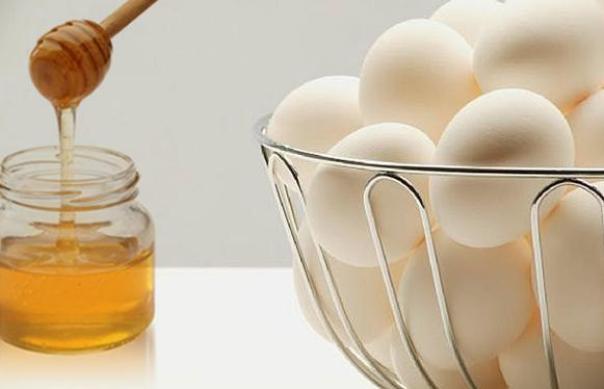
Eggs are a well-known source of high-quality protein and essential nutrients like biotin, vitamin A, and lecithin. While their dietary benefits are widely recognized, eggs have also been used for centuries in traditional beauty rituals for skin and hair. However, it is crucial to approach these home remedies with an understanding of modern science, their limitations, and most importantly, safety protocols.
This article, written from a phytotherapy specialist’s perspective, will explore the evidence-based uses of topical egg applications, debunk common myths, and provide clear guidelines for safe use.

The Science Behind Using Eggs on Skin and Hair
The beauty benefits of eggs are attributed to their distinct components, with the white and yolk offering different properties.
- Egg White (Albumen): Composed primarily of protein (like albumin), egg white has natural astringent properties. When applied to the skin, it creates a tightening film as it dries. This can temporarily minimize the appearance of pores and absorb excess sebum, making it potentially useful for oily skin types.
- Egg Yolk: The yolk is rich in fats, lecithin (a natural emulsifier and emollient), and fat-soluble vitamins like A and D. These components can help moisturize and condition dry hair by coating the hair shaft, improving its texture and shine. Biotin, also present in the yolk, is essential for hair health, though its topical absorption and efficacy are debated.
⚠️ CRITICAL SAFETY WARNING: Bacterial Contamination and Allergic Reactions
Before considering any topical application of raw eggs, you must be aware of two significant risks:
- Bacterial Risk (Salmonella): Raw eggs can be contaminated with Salmonella bacteria, which can cause serious illness if ingested or introduced into the body through broken skin. Consequently, you must never apply raw egg preparations to cuts, abrasions, or cracked skin. Always wash your hands and any utensils thoroughly before and after handling raw eggs.
- Allergic Reactions: Egg allergy is common. Applying egg protein to the skin can trigger allergic reactions, ranging from mild contact dermatitis (redness, itching) to more severe responses in highly sensitive individuals. Therefore, a patch test is mandatory before applying an egg mask to a large area.
Evidence-Based Uses for Egg Masks
While large-scale clinical trials on topical egg masks are scarce, the biochemical properties of their components support a few plausible, temporary cosmetic uses. It is important to note that these are not medical treatments.
1. Egg White Mask for Temporarily Reducing Oiliness and Pore Appearance
The proteins in egg white can provide a temporary tightening effect on the skin, which may help control excess oil and make pores appear smaller for a short period.
- Mechanism: As the albumin in the egg white dries on the skin, it forms a thin film that contracts, creating a sensation of tightness. This film can also help lift away some surface oils.
- Simple Recipe: Separate one egg and whisk the egg white until it becomes frothy. For added soothing properties, you can mix in one teaspoon of honey, which has known humectant and antimicrobial properties.
- Application: Using a clean brush or your fingertips, apply a thin layer to your clean, dry face, avoiding the delicate eye and mouth areas. Let it dry for 10-15 minutes. You will feel your skin tighten. Rinse thoroughly with lukewarm water.
2. Egg Yolk Mask for Conditioning Dry Hair
The lipids and lecithin in egg yolk act as natural conditioning agents, potentially adding moisture and shine to dry, brittle hair.
- Mechanism: The fats and lecithin in the yolk coat the hair shaft, smoothing the cuticle and helping to lock in moisture. This can result in hair that feels softer and appears shinier.
- Simple Recipe: Whisk one egg yolk with one tablespoon of olive oil or coconut oil until well combined. Both oils are excellent emollients that enhance the conditioning effect.
- Application: Apply the mixture to damp, clean hair, focusing on the mid-lengths and ends. Avoid applying too much to the scalp if you have oily roots. Cover your hair with a shower cap and let the mask sit for 20-30 minutes. Rinse thoroughly with cool water (hot water can cook the egg, making it difficult to remove), then follow with your regular shampoo and conditioner.
Myths vs. Facts: What Eggs Cannot Do
Many traditional claims about eggs are not supported by scientific evidence and some can even be harmful.
| Myth | Scientific Reality |
| “Age Reverser” | The tightening effect of an egg white mask is temporary and purely physical. It does not stimulate collagen production or reverse the biological process of aging. |
| “Dead Cell Remover” with Eggshells | This is dangerous. Crushed eggshells have sharp, irregular edges that can create micro-tears in the skin’s protective barrier, leading to irritation, inflammation, and potential infection. Use gentle, formulated exfoliants instead. |
| “Nail Strengthener” | Nail strength is primarily determined by genetics and internal nutrition, particularly biotin and protein intake. Soaking nails in an egg mixture has no proven long-term benefit for nail structure. |
Administration Protocol and Safety Limits
Patch Testing (Mandatory)
Before any application, perform a patch test. Apply a small amount of the prepared egg mixture to a discreet area of skin, such as the inside of your wrist or behind your ear. Wait 24 hours to check for any signs of redness, itching, or irritation. If a reaction occurs, do not use the mask.
Frequency and Duration
- Treatment Duration: Apply these masks for the recommended time only (10-15 minutes for face, 20-30 minutes for hair). Leaving them on for too long can cause excessive dryness or irritation.
- Frequency: Do not use these masks more than once a week. Over-application, especially of egg white masks, can strip the skin of its natural oils and disrupt its barrier function.
- Hygiene: Always use fresh eggs from a reliable source. Discard any unused mixture immediately; do not store it for later use due to the high risk of bacterial growth.
Specific Biological Limitation
The primary biological limitation is the potential for an immune response. Egg proteins, particularly ovalbumin found in egg white, are potent allergens. When applied topically, these proteins can sensitize the skin in susceptible individuals, potentially leading to the development of contact dermatitis or a new egg allergy. This risk is higher for individuals with a history of atopic dermatitis (eczema) or compromised skin barriers.
Contraindications and Precautions
Absolute Contraindications
- Known Egg Allergy: Individuals with a known allergy to eggs must not use these remedies topically.
- Broken or Compromised Skin: Do not apply to cuts, sores, active acne lesions, or areas with eczema or psoriasis, as this increases the risk of infection and allergic reaction.
Vulnerable Populations
- Children: Avoid using these remedies on young children, as their skin is more sensitive and their immune systems are still developing.
- Pregnancy and Breastfeeding: While topical use is generally considered low-risk, it is best to consult a healthcare provider before introducing new preparations during pregnancy or breastfeeding.
Therapeutic Alternatives
If you are allergic to eggs or prefer commercially formulated products with more stable and proven ingredients, consider these alternatives:
- For Oily Skin: Look for products containing Salicylic Acid, Niacinamide, or Kaolin/Bentonite Clay. These ingredients are clinically proven to help control sebum production and exfoliate pores.
- For Dry Hair: Seek out conditioners and hair masks with Hydrolyzed Proteins (like keratin or silk), Shea Butter, Argan Oil, or Hyaluronic Acid. These ingredients are designed to penetrate or effectively coat the hair shaft to provide deep, lasting moisture.
Recent Medical Research (2020-2026)
Recent research has focused more on isolating specific components from eggs for cosmetic use rather than applying the whole raw product. For instance, studies have explored the potential of eggshell membrane hydrolysates. A 2021 study published in the Journal of Cosmetic Dermatology suggested that soluble eggshell membrane protein could help protect skin cells from UVB-induced damage, highlighting a move towards safer, purified extracts over raw ingredients.
However, robust clinical evidence supporting the direct topical application of raw egg for skin and hair care remains limited. Most support comes from anecdotal reports and an understanding of the ingredients’ basic chemical properties.
Specialist’s Summary
Topical egg masks may offer temporary cosmetic benefits, such as oil absorption for skin (egg white) and conditioning for hair (egg yolk), due to their protein and lipid content. However, their use is contraindicated for individuals with egg allergies or broken skin due to significant risks of allergic reactions and bacterial infection. Safer, more effective, and scientifically validated alternatives are widely available in formulated cosmetic products.
Frequently Asked Questions
1. Can an egg mask really shrink my pores?
No, an egg white mask cannot permanently shrink pores. Pore size is genetically determined. The mask creates a temporary tightening effect that makes pores *appear* smaller for a few hours, but this effect is cosmetic and will disappear after washing.
2. Is it safe to use raw eggs on my face?
It carries risks. The primary concerns are bacterial contamination (like Salmonella) and allergic reactions. If you choose to use it, you must perform a patch test first and never apply it to broken skin. Using pasteurized eggs can reduce the bacterial risk.
3. How often should I use an egg hair mask?
Using an egg hair mask once a week is sufficient. Overuse can lead to protein buildup on the hair, making it feel brittle and dry. Always follow up with a thorough rinse using cool water.
4. Is using eggs on my skin safe during pregnancy?
While the risk of systemic absorption is low, it is always best to err on the side of caution. Due to the risk of bacterial contamination and potential skin sensitivity changes during pregnancy, it is advisable to consult with your healthcare provider before using raw egg preparations.
Sources and References
- Jian, Z., et al. (2021). “Soluble eggshell membrane protein protects human skin fibroblasts from oxidative stress-induced apoptosis.” Journal of Cosmetic Dermatology.
- American Academy of Dermatology Association. “How to control oily skin.”
- Food and Drug Administration (FDA). “What You Need to Know About Egg Safety.”
⚠️ Important Medical Information
This article is for educational and informational purposes only and is not intended as medical advice, diagnosis, or treatment. The information provided about Eggs is based on traditional use, preliminary research, and available scientific evidence, which may be limited.
Before using Eggs:
- Consult a qualified healthcare provider, especially if you are pregnant, breastfeeding, taking medications, or have existing health conditions like eczema or an egg allergy.
- Do not use as a substitute for prescribed medications or professional medical treatment.
- Individual results may vary – what works for one person may not work for another.
- Monitor for adverse reactions and discontinue use if negative symptoms occur.