Celiac Disease Management: A Comprehensive Guide to a Gluten-Free Diet and Supportive Therapies

by Andreea Smiterson
2 comments
A+A-
Reset

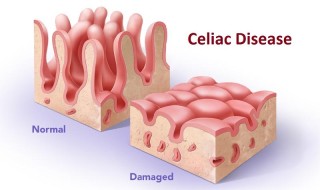
Celiac disease is a serious autoimmune disorder affecting individuals globally. Previously often misdiagnosed as a sensitive stomach or a simple food allergy, it is now understood as a complex condition. Specifically, the disease is triggered in genetically predisposed individuals by the ingestion of gluten, a protein found in wheat, barley, and rye. When a person with celiac disease consumes gluten, their immune system mistakenly attacks the small intestine. This immune response damages the villi, the small, finger-like projections lining the small intestine that are crucial for nutrient absorption. Consequently, this damage leads to an inflammatory reaction, causing symptoms such as chronic diarrhea, abdominal pain, nausea, and significant digestive discomfort. Furthermore, the impaired ability to absorb nutrients can result in malnutrition, weakness, and a host of other systemic health issues.

It is crucial to understand that the only medical treatment for celiac disease is a strict, lifelong gluten-free diet. However, certain complementary therapies can help manage symptoms, support intestinal healing, and address nutritional deficiencies alongside this essential dietary change.

Everything You Need to Know About Celiac Disease

The Cornerstone of Management: A Strict Gluten-Free Diet

Adherence to a completely gluten-free diet is non-negotiable for managing celiac disease. This is not a lifestyle choice but a medical necessity. The diet allows the intestinal villi to heal, which in turn resolves symptoms and prevents long-term complications. This involves eliminating all foods containing wheat, barley, rye, and their derivatives. Patients must become vigilant label-readers, as gluten can be a hidden ingredient in sauces, soups, medications, and even supplements.

Phytotherapy for Symptomatic Support: Marshmallow Root (Althaea officinalis)

While no herb can treat celiac disease or allow for gluten consumption, certain plants can provide significant symptomatic relief and support the healing of the gut lining. Marshmallow root is a premier example due to its high mucilage content.

This mucilage creates a soothing, protective film over the inflamed mucous membranes of the digestive tract. For this reason, it can help reduce the irritation and discomfort associated with a damaged gut while the gluten-free diet facilitates healing. Its gentle, anti-inflammatory properties make it a valuable ally in managing digestive distress.

Administration Protocol and Safety Limits

Proper administration is key to achieving benefits safely. Marshmallow root is best prepared as a cold infusion to extract the delicate mucilage without degrading it.

  • Preparation: To make a cold infusion, add one tablespoon of dried, cut marshmallow root to 1 cup (approx. 240 ml) of room-temperature water. Let it steep for at least 4 hours, or preferably overnight. Strain the liquid before drinking.
  • Treatment Duration: Use for up to 4-6 weeks to support gut healing.
  • Mandatory Break: Take a break of at least 2 weeks between treatment cycles.
  • Maximum Daily Dose: Do not exceed 3 cups (720 ml) of the infusion per day for a healthy adult.
  • Frequency: Drink one cup 2-3 times per day.
  • Timing: For optimal effect, consume 30 minutes before meals or at least 2 hours away from other medications or supplements.

Overdose Risk: While generally safe, excessive consumption may cause bloating or a feeling of fullness. The primary risk is not toxicity but interaction with nutrient and drug absorption.

Specific Biological Limitation

The primary mechanism of marshmallow root—its high mucilage content—is also its main limitation. The gel-like substance that soothes the gut lining can also slow down the absorption of other substances taken concurrently. This includes prescription medications, vitamins, and minerals. Therefore, it is essential to separate the intake of marshmallow root from other medicines and supplements by at least two hours to prevent reduced efficacy.

Contraindications and Precautions

Despite its gentle nature, marshmallow root is not suitable for everyone.

  • Absolute Contraindications: Individuals with a known allergy to plants in the Malvaceae family should avoid it.
  • Vulnerable Populations:
    • Pregnancy and Breastfeeding: Insufficient data exists; therefore, it is best to avoid use unless approved by a healthcare provider.
    • Children: Consult a pediatrician for appropriate dosing.
  • Major Drug Interactions:
    • Diabetes Medications: Marshmallow root may have a mild blood sugar-lowering effect. Consequently, combining it with antidiabetic drugs could potentially lead to hypoglycemia. Monitor blood sugar levels closely.
    • All Oral Medications: As mentioned, its mucilage can delay absorption. Separate doses by at least two hours.
  • When to Stop Immediately: Discontinue use if you experience any signs of an allergic reaction, such as a rash, itching, or difficulty breathing.

Additional Supportive Measures for Celiac Disease

Addressing Nutritional Deficiencies

Malabsorption is a hallmark of untreated celiac disease. Therefore, even after starting a gluten-free diet, it can take time for the gut to heal and nutrient absorption to normalize. Common deficiencies include iron, calcium, vitamin D, vitamin B12, folate, and zinc. A healthcare provider will typically test for these and recommend specific nutritional supplements. Importantly, self-prescribing high-dose supplements can be dangerous, so this process must be medically supervised.

Supporting Gut Flora with Probiotics

The intestinal damage in celiac disease can disrupt the balance of beneficial gut bacteria. Restoring a healthy microbiome is an important part of the healing process. Consuming probiotic-rich foods like plain yogurt, kefir, and fermented vegetables can be beneficial. In some cases, a targeted probiotic supplement may be recommended by a practitioner to help repopulate the gut with healthy bacteria and improve digestive function.

Managing Inflammation with Omega-3 Fatty Acids

The chronic inflammation in the gut can have systemic effects. Omega-3 fatty acids, found abundantly in fish oil and algae oil, are well-known for their potent anti-inflammatory properties. Supplementing with a high-quality source of EPA and DHA can help modulate the body’s inflammatory response. This does not treat the celiac disease itself but supports overall health by reducing systemic inflammation. Always choose a reputable, third-party tested brand to ensure purity and potency.

Specialist’s Summary

The only effective treatment for celiac disease is a lifelong, strict gluten-free diet. Phytotherapy, specifically with demulcent herbs like Marshmallow Root, offers a supportive role by soothing the inflamed intestinal lining and alleviating discomfort during the healing process. This approach must be combined with medically supervised nutritional supplementation to correct deficiencies and probiotics to restore gut flora. Always consult a healthcare professional before starting any new supplement or herbal remedy to ensure it is safe and appropriate for your specific situation.

Frequently Asked Questions

Can any herb cure celiac disease or allow me to eat gluten?
No. There is absolutely no herb, supplement, or therapy that can cure celiac disease or make it safe to consume gluten. The only treatment is a 100% gluten-free diet for life. Herbal remedies can only help manage symptoms and support gut healing.

How long does it take for the gut to heal on a gluten-free diet?
Symptomatic improvement can occur within weeks, but complete healing of the intestinal villi can take several months to over a year, particularly in adults. Consistency with the diet is the most critical factor for healing.

Is chamomile tea safe for managing celiac disease symptoms?
Yes, chamomile is generally considered safe and can be very helpful. Its anti-inflammatory and antispasmodic properties can effectively soothe an upset stomach, reduce cramping, and calm the digestive tract. It serves as an excellent complementary therapy for symptomatic relief.

Sources and References

Recent Studies (2020-2026):

  1. Al-Snafi, A. E. (2020). The pharmacological and therapeutic importance of Althaea officinalis- A review. International Journal of Pharmaceutical Research.
  2. Zarei, M., et al. (2021). A review of the effects of Althaea officinalis (Marshmallow) on the treatment of gastrointestinal diseases. Journal of Complementary and Integrative Medicine.

Official Monographs:


You may also like

2 comments

Chris Gaffney
Chris Gaffney June 26, 2014 - 18:35

I hate going to the dentist !

Reply

Leave a Comment