Kidney stones, medically known as nephrolithiasis, are hard deposits made of minerals and salts that form inside the kidneys. While many stones pass on their own, the process can be intensely painful. Consequently, many people seek supportive natural strategies to help manage symptoms and prevent recurrence. It is crucial, however, to understand that these methods should complement, not replace, professional medical advice, especially for large stones or severe pain.
This article provides an evidence-based perspective on how certain natural ingredients, particularly lemon and parsley, may offer supportive benefits for kidney health. Furthermore, we will explore their mechanisms of action, safe usage protocols, and potential risks, ensuring you have a clear and trustworthy guide.

The Science Behind Traditional Ingredients for Kidney Support
A traditional remedy for kidney stones often combines several ingredients. While folk medicine provides a starting point, it is essential to analyze each component through a scientific lens to understand its potential role and limitations.
Lemon (Citrus limon): The Power of Citrate
Lemon juice is one of the most studied natural agents for kidney stone prevention. Its primary benefit comes from its high concentration of citric acid. In the body, this is converted to citrate.
- Mechanism of Action: Citrate in the urine works in two ways. First, it binds to calcium, which reduces the saturation of calcium oxalate and calcium phosphate, the two most common components of kidney stones. Therefore, this binding action helps prevent new crystals from forming. Secondly, it can coat existing calcium oxalate crystals, preventing them from growing larger and aggregating into a stone.
- Scientific Evidence: According to a meta-analysis published in the journal Urolithiasis, regular consumption of citrus-based products, like lemon juice, has been shown to increase urinary citrate levels and reduce the risk of stone formation. This makes it a valuable dietary strategy for prevention.
Parsley (Petroselinum crispum): A Natural Diuretic
Parsley has been used for centuries in traditional medicine as a diuretic, an agent that increases urine production. This action is fundamental in helping to flush the urinary system.
- Mechanism of Action: The diuretic effect of parsley is attributed to compounds like apiol and myristicin. These compounds are thought to inhibit the Na+/K+-ATPase pump in the kidney, which leads to reduced sodium reabsorption. As a result, more water is excreted as urine, increasing overall urine volume. A higher urine flow can help flush out small stones and crystal aggregates before they become problematic.
- Traditional Use: The German Commission E, an authoritative body on herbal medicine, has approved parsley root for use in “flushing-out therapy” for the urinary tract and for the prevention of kidney gravel.
A Traditional Preparation for Urinary Support
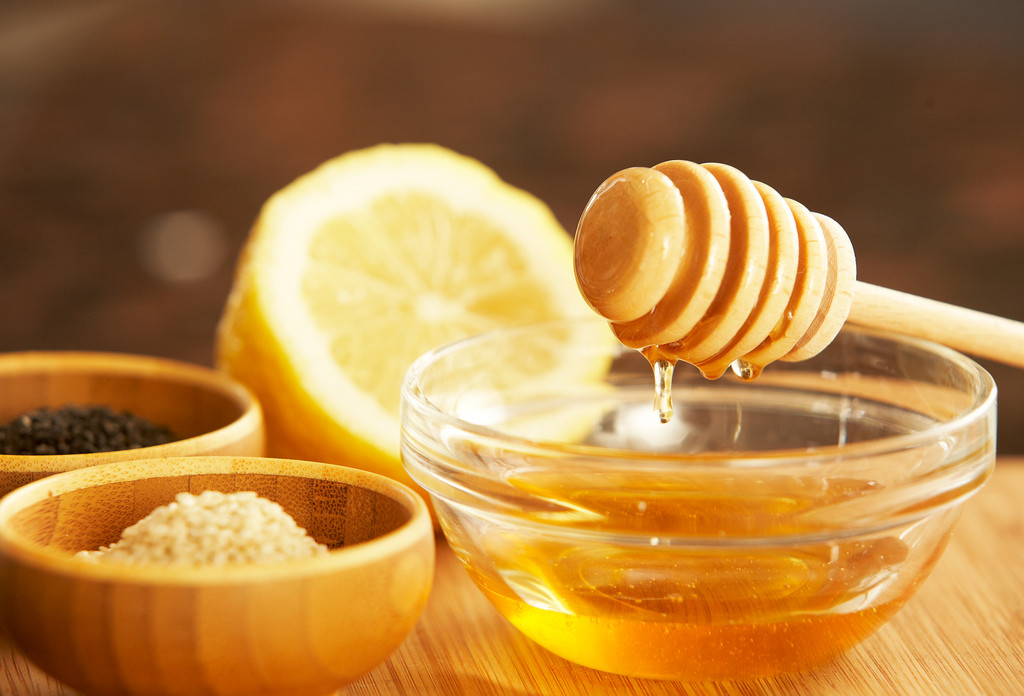
The original folk remedy combines lemon and parsley with olive oil, honey, and maple syrup. While presented as a single cure, it is more accurate to view it as a syrup where each ingredient has a distinct (or perceived) role.
Original Ingredients:
- Lemon & Parsley Root: These are the primary active ingredients, providing citrate and diuretic effects, respectively.
- Honey & Maple Syrup: These primarily act as natural preservatives and sweeteners to make the mixture palatable. However, their high sugar content may be a concern for individuals with blood sugar issues. Honey also possesses mild anti-inflammatory properties.
- Extra Virgin Olive Oil: The idea that olive oil “lubricates” the urinary tract is a common folk belief but lacks scientific support. The urinary tract is a closed system, and ingested oils are digested and metabolized, not sent directly to the ureters. Nevertheless, olive oil is a healthy fat with systemic anti-inflammatory benefits.
Administration Protocol and Safety Limits
If considering a traditional preparation, it is vital to follow strict safety guidelines and never use it as a substitute for medical treatment.
| Guideline | Protocol |
| Treatment Duration | Use for a maximum of 7-10 days consecutively. |
| Mandatory Break | Take a break of at least 14 days between cycles to allow the body to rest. |
| Maximum Daily Dose | Do not exceed one tablespoon (15 ml) of such a concentrated mixture per day. |
| Administration Condition | Take on an empty stomach in the morning, 30 minutes before breakfast. Crucially, you must increase your daily water intake to at least 2-3 liters to support the diuretic effect and prevent dehydration. |
Overdose Risk: Exceeding the recommended dose, particularly due to the parsley content, may lead to kidney irritation or electrolyte imbalances. Continuous, long-term use is not advised without professional supervision.
Specific Biological Limitation
Oxalate Content in Parsley: Parsley contains oxalates. For individuals who form calcium oxalate stones (the most common type), consuming very high amounts of oxalate-rich foods can be counterproductive. While the amount in a single dose of this remedy is unlikely to be problematic, it highlights the importance of moderation and a balanced approach. Therefore, this remedy is not suitable for those on a medically prescribed low-oxalate diet.
Contraindications and Precautions
Always consult a healthcare provider before starting any new herbal regimen. This preparation is not suitable for everyone.
- Absolute Contraindications: Do not use if you have diagnosed kidney disease, nephritis, or impaired renal function. The diuretic effect can place additional stress on compromised kidneys. Avoid if you have an allergy to any of the ingredients, particularly to plants in the Apiaceae family (like celery or carrots).
- Vulnerable Populations:
- Pregnancy: Parsley, especially in concentrated forms, contains compounds (apiol and myristicin) that can stimulate uterine contractions and is considered an emmenagogue. It is strictly contraindicated during pregnancy.
- Breastfeeding: Safety has not been established; therefore, it is best to avoid it.
- Children: Not recommended for children under 18 due to the lack of safety data.
- Major Drug Interactions:
- Diuretics (e.g., furosemide, hydrochlorothiazide): Combining parsley with prescription diuretics can lead to excessive fluid and electrolyte loss.
- Anticoagulants (e.g., Warfarin): Parsley is high in Vitamin K, which can interfere with the effectiveness of blood-thinning medications.
- Diabetes Medications: The high sugar content from honey and maple syrup can affect blood glucose levels.
- When to Stop Immediately: Discontinue use and see a doctor if you experience severe back or flank pain, fever, chills, nausea, or blood in the urine. These are signs of a serious complication.
Therapeutic Alternatives
If this preparation is not suitable for you, other botanicals have stronger scientific backing for kidney stone support.
- Chanca Piedra (Phyllanthus niruri): Often called the “stone breaker,” research suggests it may interfere with the formation of calcium oxalate crystals and has a muscle-relaxing effect on the urinary tract, which may aid in the passage of stones.
- Goldenrod (Solidago virgaurea): An EMA-approved aquaretic, it increases urine volume while also providing anti-inflammatory and antispasmodic effects, making it ideal for flushing the urinary system and soothing irritation.
- Hydrangea Root (Hydrangea arborescens): Traditionally used as a solvent for stones, it is believed to help soften and break down mineral deposits in the kidneys. However, more clinical research is needed to validate this effect.
Recent Medical Research (2020-2026)
Modern research continues to validate the importance of dietary interventions for kidney stone management. A 2021 review in Urolithiasis reaffirmed that increased fluid intake and dietary modification, including increased citrate consumption, remain the cornerstones of prevention for recurrent calcium stones. Furthermore, studies on botanicals like Phyllanthus niruri are increasingly exploring its specific molecular mechanisms, with a 2022 study identifying how its compounds can inhibit crystal aggregation.
Current Limitations: While promising, most herbal studies are preliminary or conducted on animals. Large-scale human clinical trials are still needed to establish standardized dosages and long-term efficacy for many botanicals.
Specialist’s Summary
Lemon juice and parsley offer plausible supportive roles in kidney stone management, primarily through citrate provision and diuretic action, respectively. A traditional syrup combining them should be used cautiously for short durations (7-10 days) and is contraindicated in pregnancy and for individuals with kidney disease. For more robust, evidence-based support, botanicals like Chanca Piedra and Goldenrod are excellent alternatives. Importantly, no herbal remedy can replace medical evaluation, especially in cases of acute pain or large stones.
Frequently Asked Questions
Can lemon juice dissolve existing kidney stones?
No, lemon juice cannot dissolve existing stones. Its primary benefit is preventive. The citrate it contains can help stop new stones from forming and prevent existing small crystals from growing larger, making them easier to pass.
Is it safe to drink parsley tea every day?
Daily, long-term consumption of parsley tea in high amounts is not recommended. While generally safe in culinary amounts, concentrated use can irritate the kidneys over time and may interact with medications. It is best used for short periods as part of a flushing therapy.
What is the single most important thing I can do for kidney stones?
The most critical and universally recommended action is to increase your fluid intake, primarily with water. The goal is to produce at least 2 liters of urine per day. This dilutes the substances that form stones and helps flush out any small crystals that may be forming.
Sources and References
- Zuckerman, J. M., & Assimos, D. G. (2021). The role of citrate in the management of calcium oxalate urolithiasis. Urolithiasis, 49(2), 167–176.
- Kreydiyyeh, S. I., & Usta, J. (2002). Diuretic effect and mechanism of action of parsley. Journal of Ethnopharmacology, 79(3), 353–357.
- European Medicines Agency (EMA). (2018). Community herbal monograph on Solidago virgaurea L.
- Pucci, N. D., et al. (2022). Phytochemicals in Phyllanthus niruri as Inhibitors of Calcium Oxalate Crystal Aggregation. International Journal of Molecular Sciences, 23(19), 11925.
⚠️ Important Medical Information
This article is for educational and informational purposes only and is not intended as medical advice, diagnosis, or treatment. The information provided about Lemon and Parsley is based on traditional use, preliminary research, and available scientific evidence, which may be limited.
Before using any herbal preparation for kidney stones:
- Consult a qualified healthcare provider to get an accurate diagnosis and rule out large stones or complications. This is especially important if you are pregnant, breastfeeding, taking medications, or have existing health conditions like kidney disease.
- Do not use as a substitute for prescribed medications or professional medical treatment.
- Individual results may vary – what works for one person may not work for another.
- Monitor for adverse reactions and discontinue use if negative symptoms occur.
Regulatory status: These ingredients are considered foods or dietary supplements and have not been evaluated by the FDA for treating, curing, or preventing any disease.