An autoimmune disease occurs when the body’s immune system, designed to defend against foreign invaders like bacteria and viruses, mistakenly identifies its own healthy cells as threats and attacks them. While the exact triggers remain complex and are the subject of ongoing research, factors like genetics, infections, and environmental exposures are thought to play a role. A common feature across many autoimmune conditions is chronic inflammation, which contributes to tissue damage and symptoms.
This article explores several natural remedies that have been traditionally used and are now being studied for their anti-inflammatory and immunomodulating properties. It is crucial to understand that these are not cures for autoimmune diseases. Instead, they may serve as supportive measures to help manage inflammation and related symptoms, as part of a comprehensive care plan developed with a healthcare professional.

Important: Always consult your doctor or a qualified healthcare provider before starting any new supplement or herbal remedy, especially if you have an existing medical condition or are taking prescription medications.
1. Turmeric (Curcuma longa)
For centuries, turmeric has been a cornerstone of Ayurvedic and traditional Chinese medicine, prized for its potent anti-inflammatory effects. Modern science has identified its primary active compound, curcumin, as the source of these benefits.
Mechanism of Action
Curcumin works by modulating multiple signaling pathways involved in inflammation. Notably, research published in journals like Drug Design, Development and Therapy shows it can inhibit the activation of NF-κB, a key protein complex that triggers the inflammatory response. Furthermore, it may downregulate the activity of inflammatory enzymes like COX-2 and LOX.
Administration Protocol and Safety Limits
- Formulation: Curcumin has poor bioavailability on its own. Therefore, look for formulations that include piperine (from black pepper) or are prepared with a lipid base (phytosome technology) to enhance absorption.
- Dosage: For standardized extracts containing 95% curcuminoids, a common dosage is 500 mg, taken 2-3 times per day. Do not exceed 2,000 mg per day without medical supervision.
- Duration: It can be used for cycles of 8-12 weeks, followed by a 4-week break. Long-term use should be monitored by a healthcare provider.
- Timing: Take with a meal that contains fat to further improve absorption.
Contraindications and Precautions
- Absolute Contraindications: Do not use if you have bile duct obstruction or gallstones.
- Drug Interactions: Curcumin has antiplatelet effects. Consequently, use it with extreme caution if you are taking anticoagulant or antiplatelet medications like warfarin, clopidogrel, or aspirin, as it may increase the risk of bleeding.
- Pregnancy and Breastfeeding: Avoid medicinal doses during pregnancy and breastfeeding due to a lack of safety data.
- Adverse Effects: High doses may cause gastrointestinal upset, such as nausea or diarrhea.
2. Ginger (Zingiber officinale)
A close relative of turmeric, ginger is another powerful root traditionally used to quell inflammation and soothe digestive issues. Its active compounds, including gingerols and shogaols, are responsible for its therapeutic effects.
Mechanism of Action
Ginger’s compounds have been shown to inhibit the synthesis of pro-inflammatory prostaglandins and leukotrienes. A 2021 review in the journal Foods highlighted its ability to suppress pro-inflammatory cytokines, making it a valuable agent for managing inflammatory conditions.
Administration Protocol and Safety Limits
- Dosage:
- Fresh Root: Up to 4 grams per day (about one teaspoon of grated ginger).
- Dried Powder: 1-2 grams per day.
- Standardized Extract: Follow product-specific recommendations, typically 250-500 mg daily.
- Duration: Safe for daily use in culinary amounts. For therapeutic doses, cycles of up to 12 weeks are common.
- Timing: Can be taken with or without food. Taking it with food may reduce the risk of heartburn.
Contraindications and Precautions
- Drug Interactions: Similar to turmeric, ginger may increase the risk of bleeding when taken with anticoagulant and antiplatelet drugs. Consult your doctor before combining them.
- Gallstones: Use with caution if you have a history of gallstones, as ginger can increase bile flow.
- Pregnancy: While often used for morning sickness, consult a healthcare provider for appropriate dosage and safety during pregnancy.
- Adverse Effects: High doses may cause mild heartburn, diarrhea, or stomach discomfort.
3. Fish Oil (Omega-3 Fatty Acids)
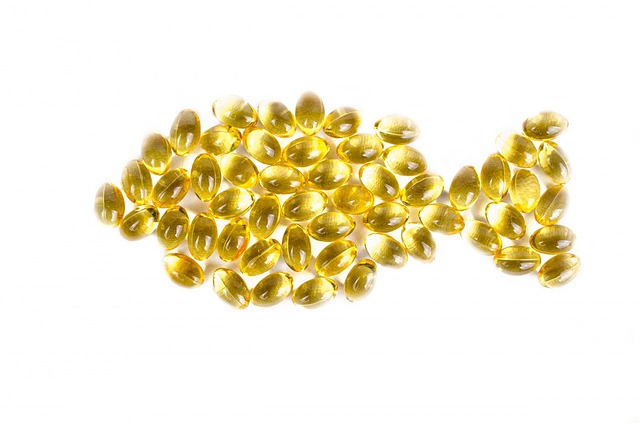
Fish oil is a rich source of the omega-3 fatty acids eicosapentaenoic acid (EPA) and docosahexaenoic acid (DHA). These essential fats are critical for cellular health and are powerful modulators of inflammation.
Mechanism of Action
EPA and DHA are precursors to specialized pro-resolving mediators (SPMs), such as resolvins and protectins. Unlike traditional anti-inflammatory drugs that block inflammation, SPMs actively help resolve the inflammatory process and promote tissue healing. According to research in The Journal of Rheumatology, daily intake can significantly reduce symptoms associated with rheumatoid arthritis.
Administration Protocol and Safety Limits
- Dosage: For managing inflammatory conditions, studies often use a combined dose of 2-4 grams of EPA and DHA per day. Start with a lower dose and increase gradually.
- Quality: Choose a high-quality, third-party tested fish oil supplement to ensure purity and freedom from heavy metals like mercury.
- Duration: Generally considered safe for long-term use under medical guidance.
- Timing: Take with meals to prevent “fish burps” and improve absorption.
Contraindications and Precautions
- Drug Interactions: High doses of fish oil can have a blood-thinning effect. Therefore, it is crucial to consult a physician before use if you are on anticoagulants (e.g., warfarin) or are scheduled for surgery.
- Allergies: Individuals with fish or shellfish allergies should avoid fish oil and consider plant-based omega-3 sources like algal oil.
- Adverse Effects: The most common side effect is gastrointestinal discomfort or a fishy aftertaste. Freezing the capsules may help.
4. Boswellia (Boswellia serrata)
Also known as Indian frankincense, Boswellia resin has been used in Ayurvedic medicine for thousands of years to treat chronic inflammatory diseases. Its primary active ingredients are boswellic acids.
Mechanism of Action
Unlike many other anti-inflammatory agents that target the COX pathway, boswellic acids uniquely inhibit the 5-lipoxygenase (5-LOX) enzyme. This enzyme is responsible for producing inflammatory leukotrienes, which are implicated in conditions like asthma and arthritis. This distinct mechanism makes it a valuable complementary therapy.
Administration Protocol and Safety Limits
- Dosage: Look for standardized extracts containing at least 30-65% boswellic acids. A typical dose is 300-500 mg, taken 2-3 times daily.
- Duration: Clinical studies have shown it to be safe for use up to 6 months.
- Timing: Take with food to minimize potential stomach upset.
Contraindications and Precautions
- Drug Interactions: May interact with anti-inflammatory drugs, cholesterol-lowering medications, and certain chemotherapy agents. Always consult a professional.
- Pregnancy and Breastfeeding: Avoid use, as it may have emmenagogue effects (stimulating menstrual flow).
- Adverse Effects: Generally well-tolerated, but some individuals may experience mild nausea, acid reflux, or diarrhea.
5. Virgin Coconut Oil
Virgin coconut oil contains medium-chain fatty acids (MCFAs), particularly lauric acid, which possess anti-inflammatory and antimicrobial properties. It is traditionally used both topically and internally to support health.
Mechanism of Action
Lauric acid has demonstrated antimicrobial effects, which may be relevant as some research suggests an imbalance in gut microflora can contribute to inflammation in autoimmune conditions. For instance, a study in The Scandinavian Journal of Gastroenterology noted that fungal overgrowth could be a factor in Crohn’s disease. Furthermore, the antioxidant properties of virgin coconut oil help combat oxidative stress associated with chronic inflammation.
Administration Protocol and Safety Limits
- Dosage: For internal use, start with 1 teaspoon per day and gradually increase to 1-2 tablespoons daily.
- Quality: Always choose organic, virgin, cold-pressed coconut oil to ensure the preservation of its beneficial compounds.
- Duration: Can be incorporated as part of a regular diet.
- Timing: Can be used in cooking, added to smoothies, or taken on its own.
Contraindications and Precautions
- Cardiovascular Health: Coconut oil is high in saturated fat. Individuals with high cholesterol or a history of cardiovascular disease should consult their doctor before using it regularly.
- Caloric Density: It is high in calories, so consumption should be moderated as part of a balanced diet to avoid unwanted weight gain.
- Adverse Effects: High intake may cause digestive upset in some individuals.
Therapeutic Alternatives
If the remedies above are not suitable, other evidence-based options may help support immune function and manage inflammation:
- Vitamin D: This crucial vitamin acts as an immune system modulator. Many people with autoimmune conditions are found to be deficient. Blood levels should be checked and supplementation guided by a healthcare provider.
- Probiotics: A healthy gut microbiome is essential for a balanced immune system. Probiotic-rich foods (like yogurt, kefir, sauerkraut) or supplements may help support gut health, which is closely linked to systemic inflammation.
- Green Tea (Camellia sinensis): Contains the polyphenol epigallocatechin-3-gallate (EGCG), which has demonstrated potent anti-inflammatory and immunomodulating effects in numerous studies.
Recent Medical Research (2020-2026)
Modern research continues to validate the traditional use of these natural compounds. A 2021 meta-analysis published in the International Journal of Molecular Sciences confirmed the significant role of curcumin in reducing inflammatory markers in patients with autoimmune diseases. Similarly, a 2022 review in Frontiers in Pharmacology highlighted the potential of omega-3 fatty acids to improve clinical outcomes in rheumatoid arthritis. However, researchers emphasize the need for larger, high-quality human trials to establish standardized dosages and long-term safety profiles.
Specialist’s Summary
Natural remedies like turmeric, ginger, fish oil, and boswellia offer plausible support for managing inflammation associated with autoimmune conditions, with moderate effects often seen after several weeks of consistent use. They are not substitutes for conventional medical treatment. Their primary value lies in their anti-inflammatory and immunomodulating properties. However, they are contraindicated in specific situations (e.g., bile duct obstruction for turmeric) and have moderate interactions with anticoagulant medications. Validated alternatives include Vitamin D optimization and supporting gut health with probiotics.
Frequently Asked Questions
1. Can these home remedies cure my autoimmune disease?
No. There is currently no cure for most autoimmune diseases. These remedies are considered supportive therapies that may help manage symptoms, primarily chronic inflammation. They should be used as part of an integrative approach alongside conventional medical care, not as a replacement.
2. How long does it take to see any benefits?
The effects of natural anti-inflammatory agents are typically gradual and not immediate. Consistent use for at least 4 to 8 weeks is often necessary to notice a potential reduction in symptoms like joint stiffness or pain. Results vary significantly between individuals.
3. Can I take these remedies with my prescription medications?
This is a critical question that must be discussed with your doctor or pharmacist. Many of these remedies, particularly turmeric, ginger, and fish oil, have blood-thinning properties and can interact dangerously with anticoagulant or antiplatelet medications. Always seek professional medical advice before combining them.
4. Are these remedies safe during pregnancy or for children?
Generally, medicinal doses of these herbs (beyond what is used in cooking) are not recommended during pregnancy or for young children due to a lack of sufficient safety data. Fish oil is often recommended during pregnancy, but the dosage should be determined by a healthcare provider.
Sources and References
- Pivari, F., et al. (2021). Curcumin and Autoimmune Disease. International Journal of Molecular Sciences. https://www.mdpi.com/1422-0067/22/13/7141
- Ghasemian, M., et al. (2022). The Role of Omega-3 Fatty Acids in the Management of Rheumatoid Arthritis: A Review. Frontiers in Pharmacology. https://www.frontiersin.org/articles/10.3389/fphar.2022.848731/full
- Mashhadi, N. S., et al. (2021). Anti-Oxidative and Anti-Inflammatory Effects of Ginger in Health and Physical Activity: Review of Current Evidence. Foods. https://www.mdpi.com/2304-8158/10/1/5
- World Health Organization (WHO). (2007). WHO Monographs on Selected Medicinal Plants – Volume 1. [Rhizoma Zingiberis].
⚠️ Important Medical Information
This article is for educational and informational purposes only and is not intended as medical advice, diagnosis, or treatment. The information provided about these natural remedies is based on traditional use, preliminary research, and available scientific evidence, which may be limited.
Before using any herbal remedy or supplement:
- Consult a qualified healthcare provider, especially if you are pregnant, breastfeeding, taking medications, or have existing health conditions like an autoimmune disease.
- Do not use as a substitute for prescribed medications or professional medical treatment.
- Individual results may vary – what works for one person may not work for another.
- Monitor for adverse reactions and discontinue use if negative symptoms occur.