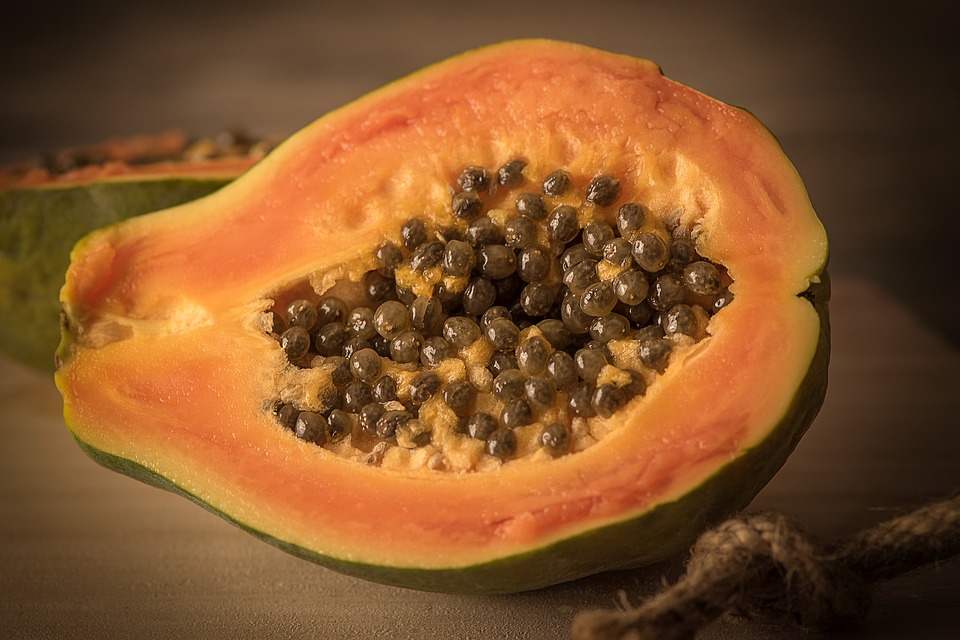
Natural Papaya Hair Mask for Dry Hair: Recipe and Safety Tips

by Andreea Smiterson
0 comments
A+A-
Reset

Dull, dry, and lifeless hair is a common concern, often influenced by environmental factors, diet, and the use of harsh chemical products. While many commercial treatments promise restoration, they can sometimes introduce unwanted chemicals. Consequently, turning to nature-inspired remedies offers a gentler alternative. A homemade hair mask using *Carica papaya* (papaya) is a traditional approach to nourishing hair, but its application requires an understanding of its properties and safety protocols.

This article provides an evidence-based guide to preparing and using a papaya-based hair mask, explaining the potential benefits of its components and outlining crucial safety measures.

papaya hair mask

The Scientific Rationale Behind the Ingredients

This mask combines three key ingredients, each with properties that may contribute to improved hair texture and scalp health. However, it is important to note that while the components have been studied individually, clinical trials on this specific combined mask are lacking.

1. Ripe Papaya (*Carica papaya*)

Papaya is more than just a nutritious fruit; its primary value in topical applications comes from the enzyme papain. Papain is a proteolytic enzyme, meaning it breaks down proteins. For instance, research published in the International Journal of Pharmaceutics has explored papain’s ability to act as a gentle exfoliant. On the scalp, this action may help remove dead skin cells and the buildup of styling products, which can clog hair follicles and contribute to dullness. Furthermore, papaya is a source of antioxidants like Vitamin C and Vitamin A (in the form of beta-carotene), which help protect against oxidative stress.

2. Coconut Milk (*Cocos nucifera*)

Coconut milk is rich in fatty acids, particularly lauric acid. A study in the Journal of Cosmetic Science found that lauric acid has a high affinity for hair proteins and, due to its low molecular weight, can penetrate inside the hair shaft. This action helps to reduce protein loss from hair, which is a key factor in preventing damage and weakness. Therefore, its inclusion in a hair mask aims to provide deep moisture and improve hair’s structural integrity.

3. Honey

Honey is a well-known natural humectant, which means it attracts and retains moisture from the air. This property makes it an excellent conditioning agent for dry hair. Additionally, honey acts as an emollient, smoothing and softening the hair cuticle, which can increase shine and reduce frizz. Its natural antimicrobial properties may also contribute to a healthier scalp environment.

DIY Papaya Hair Mask Recipe

This recipe is designed to create a smooth, easy-to-apply paste that nourishes the hair and scalp.

Ingredients:

  • ½ cup ripe papaya, peeled and cubed
  • ¼ cup full-fat coconut milk
  • 1 teaspoon raw honey

Preparation and Application:

  1. Combine the ripe papaya cubes, coconut milk, and honey in a blender.
  2. Blend on high speed until you achieve a completely smooth, lump-free paste. This is crucial to prevent fruit particles from getting stuck in your hair.
  3. After shampooing, gently squeeze excess water from your hair.
  4. Apply the mask evenly from the scalp to the tips of your damp hair.
  5. Cover your hair with a shower cap to trap heat and aid absorption.
  6. Leave the mask on for 20-30 minutes.
  7. Rinse thoroughly with lukewarm water. Ensure all residue is removed. Do not use hot water, as it can strip moisture from the hair.

Note: This mask acts as a deep conditioner. Therefore, you should not apply a commercial conditioner after rinsing it out.

Application Protocol and Safety Limits

For safe and effective use, follow this protocol carefully.

  • Patch Test (Mandatory): Before applying the full mask, perform a patch test. Apply a small amount of the mixture to a discreet area of skin, such as behind your ear or on your inner elbow. Wait 24 hours to check for any signs of irritation, redness, or itching.
  • Frequency of Use: Use this mask no more than once per week. Overuse of protein-breaking enzymes like papain could potentially weaken the hair over time.
  • Application Surface: Apply only to a healthy, intact scalp. Avoid application on any cuts, abrasions, or areas affected by active eczema or psoriasis flare-ups.

Specific Biological Limitation

The primary limitation of this mask is the enzymatic activity of papain. While beneficial for exfoliation, this proteolytic enzyme can be irritating to individuals with sensitive skin. Furthermore, papaya contains natural latex. Individuals with a known latex allergy may experience a cross-reactive allergic reaction to papaya and should avoid this mask entirely.

Contraindications and Precautions

Always prioritize safety when using homemade preparations.

  • Absolute Contraindications: Do not use this mask if you have a known allergy to papaya, latex, coconut, or honey (or bee products).
  • Sensitive Scalp: If you have a history of sensitive skin or scalp conditions like dermatitis, consult a dermatologist before use. The enzymatic and acidic nature of the ingredients could cause irritation.
  • Vulnerable Populations: While generally considered safe for topical use, it is wise to perform a patch test on children before application. There is no specific data on use during pregnancy or breastfeeding, but the risk from topical application is considered low. Nevertheless, consulting a healthcare provider is recommended.

Therapeutic Alternatives

If this papaya mask is not suitable for you, consider these evidence-supported botanical alternatives for conditioning dry hair:

  1. Avocado (*Persea americana*) Mask: Rich in monounsaturated fats, vitamins, and minerals, avocado provides intense moisture and helps strengthen the hair cuticle. It is a gentler alternative without the enzymatic action of papaya.
  2. Aloe Vera (*Aloe barbadensis*) Gel: Known for its exceptional hydrating and soothing properties, aloe vera can moisturize the hair and calm an irritated scalp. Its enzymatic content helps repair dead skin cells on the scalp.
  3. Argan Oil (*Argania spinosa*): This oil is rich in Vitamin E and essential fatty acids. Studies have shown it to be an excellent moisturizer that can improve hair elasticity and restore shine without a heavy, greasy feel.

Recent Medical Research (2020-2026)

Research into natural hair care continues to grow, though large-scale clinical trials on specific DIY recipes are rare. Most evidence focuses on the individual ingredients.

  • A 2021 review in the journal Cosmetics highlighted the benefits of plant-based oils, including coconut oil, for hair health, reaffirming their ability to penetrate the hair shaft and prevent damage.
  • Research continues to explore the enzymatic properties of papain for dermatological applications, primarily in skin exfoliation and wound debridement, which provides a scientific basis for its potential cleansing effect on the scalp.

Current Limitations: There is a significant lack of formal clinical studies testing the efficacy and safety of this specific three-ingredient hair mask. Its benefits are largely based on the known properties of its components and anecdotal evidence from traditional use. More research is needed to validate its effects on hair growth, strength, and long-term health.

Specialist’s Summary

A homemade papaya, coconut milk, and honey mask may serve as a useful natural conditioner for dull and dry hair, primarily due to the moisturizing properties of coconut and honey and the gentle exfoliating action of papain. However, it is not a treatment for hair loss. Its use is contraindicated for individuals with allergies to its components, especially latex. Always perform a patch test before use and consider validated alternatives like avocado or argan oil if you have sensitive skin.

Frequently Asked Questions

1. Can a papaya mask help with hair growth?
There is no direct scientific evidence that a papaya mask stimulates hair growth. Its primary benefit is improving scalp health by removing buildup and conditioning existing hair, which creates a better environment for healthy hair to grow.

2. How often should I use this hair mask?
For most hair types, using the mask once a week is sufficient for deep conditioning. Overuse is not recommended due to the enzymatic nature of papain.

3. Will this mask change my hair color?
It is highly unlikely that this mask will noticeably change your hair color. While enzymes can have a very mild effect, it is not potent enough to act as a natural bleach or dye.

4. Is the papaya mask safe for color-treated hair?
It is generally safe. However, because papain can gently exfoliate, it is best to wait at least one to two weeks after a fresh color treatment to avoid any potential, albeit minor, fading. A patch test on a small strand of hair is advisable.

Sources and References

  1. Rele, A. S., & Mohile, R. B. (2003). Effect of mineral oil, sunflower oil, and coconut oil on prevention of hair damage. Journal of cosmetic science, 54(2), 175–192.
  2. Zainol, M. I., Mohd Yusoff, K., & Mohd Yusof, M. Y. (2021). A review on the effects of plant-based oils on hair and scalp health. Cosmetics, 8(3), 54.
  3. Burlando, B., & Cornara, L. (2013). Honey in dermatology and skin care: a review. Journal of Cosmetic Dermatology, 12(4), 306-313.

⚠️ Important Medical Information

This article is for educational and informational purposes only and is not intended as medical advice, diagnosis, or treatment. The information provided about the Papaya hair mask is based on traditional use, preliminary research, and available scientific evidence, which may be limited.

Before using this Papaya mask:

  • Consult a qualified healthcare provider or dermatologist, especially if you have existing scalp conditions, sensitive skin, or severe allergies.
  • Do not use as a substitute for prescribed medications or professional medical treatment for hair or scalp disorders.
  • Individual results may vary – what works for one person may not work for another and could cause irritation in some.
  • Always perform a patch test to rule out allergic reactions before full application. Discontinue use immediately if negative symptoms occur.


You may also like

Leave a Comment