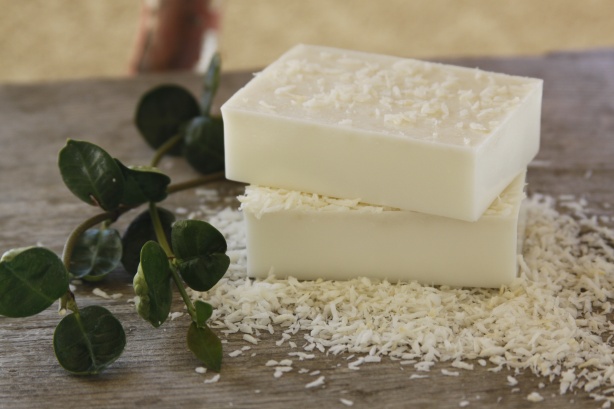
Creating your own soap at home has become a popular way to control ingredients and tailor skincare to personal needs. Unlike some commercial products that may contain synthetic detergents or fragrances, a homemade soap allows you to incorporate natural additives known for their skin-soothing properties.
However, it is crucial to approach DIY skincare with an understanding of both the benefits and the necessary safety protocols. This guide provides an evidence-based look at a popular goat milk soap recipe, clarifying the roles of its ingredients and ensuring you can create it safely. We will focus on using a “melt and pour” soap base, which is the safest method for beginners as it eliminates the need to handle lye (sodium hydroxide), a caustic chemical used in traditional soap making.

Understanding the Key Ingredients: A Scientific Perspective
The effectiveness of this soap comes from the properties of its natural components. Therefore, understanding their mechanisms is key to appreciating their potential benefits.
Goat Milk: Gentle Cleansing and Moisturization
Goat milk has been traditionally used in skincare for its gentle and moisturizing qualities. Its benefits are linked to its unique chemical composition.
- Lactic Acid: As a source of alpha-hydroxy acids (AHAs), lactic acid acts as a mild chemical exfoliant. It helps to dissolve the bonds between dead skin cells, promoting a smoother and brighter complexion. According to research published in the journal Molecules, AHAs are widely used in dermatology to improve skin texture and hydration.
- Fatty Acids: The high concentration of fatty acids, particularly caprylic acid, contributes to a gentle cleansing action and helps maintain the skin’s natural moisture barrier. This prevents the feeling of tightness or dryness often associated with harsher soaps.
- Vitamins and Minerals: Furthermore, goat milk contains Vitamin A (retinol), which supports skin cell turnover, and selenium, a mineral with antioxidant properties that may help protect the skin from environmental damage.
Honey: A Natural Humectant and Antimicrobial
Honey is more than just a sweetener; it is a functional ingredient in skincare with a long history of therapeutic use.
- Humectant Properties: Honey is a natural humectant, meaning it draws moisture from the air into the skin. This action provides hydrating benefits, making it particularly useful for dry skin types.
- Antimicrobial Activity: Numerous studies confirm honey’s antimicrobial properties, largely due to its low pH, osmotic effect, and hydrogen peroxide content. While its effect in a rinse-off product like soap is limited compared to a leave-on treatment, it may contribute to a cleaner skin environment.
Coffee Grounds: Mechanical Exfoliation
While often touted for reducing cellulite, the evidence for this claim in a rinse-off product is weak. Caffeine requires sustained contact with the skin to have a significant effect. However, coffee grounds serve an important and validated purpose in this recipe.
- Gentle Exfoliant: Finely ground coffee acts as a natural mechanical exfoliant, physically sloughing away dead skin cells. This can improve circulation and leave the skin feeling smooth. Importantly, this action is best suited for the body, as it can be too abrasive for delicate facial skin.
Safe and Effective DIY Goat Milk Soap Recipe
This recipe is designed for safety and simplicity using a pre-made soap base.
Ingredients You Will Need
- 1 ½ cups (approx. 250g) of goat milk melt-and-pour soap base
- 1 teaspoon of raw, unpasteurized honey
- 1 tablespoon of finely ground, used coffee grounds (dry)
- 10-15 drops of a skin-safe essential oil (e.g., Lavender or Chamomile)
- Soap molds (silicone is recommended for easy removal)
Step-by-Step Instructions
- Prepare the Base: First, carefully cut the goat milk soap base into small, uniform cubes. This ensures it will melt evenly. Place the cubes into a heat-safe glass or microwave-safe bowl.
- Melt Gently: Next, melt the soap base in the microwave in 30-second intervals, stirring in between to prevent overheating. Alternatively, use a double boiler on the stovetop over low heat. Avoid boiling the base.
- Incorporate Additives: Once the base is fully melted and smooth, remove it from the heat. Allow it to cool slightly for a minute before adding the other ingredients; this prevents the essential oils from evaporating too quickly.
- Mix Thoroughly: Add the honey, coffee grounds, and essential oil to the melted base. Stir gently but thoroughly until all ingredients are uniformly distributed.
- Pour into Molds: Carefully pour the mixture into your silicone molds. Work quickly, as the soap base will begin to set as it cools.
- Cool and Set: Allow the molds to sit undisturbed at room temperature for at least 4-6 hours, or until the soaps are completely firm. Do not place them in the refrigerator to speed up the process, as this can cause condensation (“sweating”).
- Demold and Cure: Once fully hardened, carefully remove the soaps from the molds. For best results, allow them to “cure” in a cool, dry place with good air circulation for a few days. This helps harden the bar and improves its longevity.
Usage Protocol and Safety Guidelines
Natural does not mean free of risk. Consequently, following proper safety protocols is essential for any DIY skincare product.
Mandatory Patch Test
Before using the soap on a large area, perform a patch test. Apply a small amount of lather to a discreet area of skin, such as the inner elbow. Wait 24 hours to ensure no signs of irritation, redness, or allergic reaction occur.
Recommended Usage
- For the Body: The soap can be used daily on the body. The coffee grounds provide excellent exfoliation for areas like elbows, knees, and feet.
- For the Face: It is advisable to avoid using soaps with physical exfoliants like coffee grounds on the delicate skin of the face. If you wish to make a facial version, simply omit the coffee grounds from the recipe.
Storage and Shelf Life
Store your homemade soaps in a cool, dry place away from direct sunlight. Use a draining soap dish to prevent the bar from becoming soft. Because this recipe uses a pre-stabilized base, the soap should last for several months.
Specific Biological Limitation
The primary limitation of this soap lies in its potential for skin sensitization. While the ingredients are natural, they can still trigger reactions in susceptible individuals.
Allergenic Potential: The ingredients—milk proteins (in goat milk), pollen derivatives (in honey), and various compounds in essential oils—are known potential allergens. Individuals with a history of atopic dermatitis (eczema), rosacea, or specific food allergies should exercise extreme caution. The mechanical exfoliation from coffee grounds can also exacerbate sensitive skin conditions by disrupting the skin barrier.
Contraindications and Precautions
Absolute Contraindications
- Known Allergies: Do not use this soap if you have a known allergy to milk, honey, coffee, or any essential oil used in the recipe.
- Broken or Infected Skin: Avoid using this soap on open wounds, cuts, or areas with active skin infections, as the ingredients could cause irritation.
Vulnerable Populations
- Pregnancy and Breastfeeding: While topical use is generally considered safe, it is wise to omit essential oils or consult a healthcare provider, as some oils are not recommended during pregnancy.
- Children: For use on young children, omit the essential oils and coffee grounds. Always perform a patch test.
- Sensitive Skin Conditions: Individuals with eczema, psoriasis, or rosacea should consult a dermatologist before using any new product, including homemade ones. The exfoliating and active ingredients may be too harsh.
Therapeutic Alternatives
If the ingredients in this recipe are not suitable for your skin type, consider these evidence-supported alternatives for DIY soaps:
- Colloidal Oatmeal: For itchy, dry, or eczema-prone skin, adding colloidal oatmeal to a soap base is an excellent alternative. The U.S. FDA recognizes it as a skin protectant. Its avenanthramides are known to reduce inflammation and redness.
- Calendula (Calendula officinalis): Infusing the soap base with calendula oil or adding dried petals can provide soothing benefits. A 2021 review in Clinical, Cosmetic and Investigational Dermatology highlighted its anti-inflammatory and wound-healing properties, making it ideal for irritated skin.
- Shea or Cocoa Butter: For extra moisturization, adding a tablespoon of melted shea or cocoa butter to the soap base can enhance its emollient properties, creating a richer, more hydrating bar for very dry skin.
Specialist’s Summary
This DIY goat milk soap serves as a gentle, moisturizing cleanser and mechanical exfoliant, primarily suitable for normal to dry body skin. Its potential benefits stem from the lactic acid and fats in goat milk, the humectant properties of honey, and the exfoliating action of coffee grounds. However, it is not a medical treatment for skin conditions. Individuals with sensitive skin, allergies, or chronic skin disorders must perform a patch test and should consider alternatives like colloidal oatmeal or calendula. For persistent skin issues, consulting a dermatologist remains the most appropriate course of action.
Frequently Asked Questions
1. Can I use this goat milk soap on my face?
It is not recommended to use the version with coffee grounds on your face, as the exfoliation can be too abrasive for delicate facial skin. To create a facial version, simply make the recipe without the coffee grounds.
2. Will this soap cure my acne or eczema?
No. This soap is a cosmetic cleanser, not a medical treatment. While its moisturizing properties may help soothe dryness associated with eczema, it cannot cure it. Acne is a complex condition that often requires targeted medical treatments. This soap is not formulated to treat acne and could potentially clog pores in some individuals.
3. How can I be sure my essential oils are safe for skin?
Always purchase high-quality, pure essential oils from reputable suppliers. Avoid “fragrance oils,” which are synthetic. For this soap, choose gentle oils like Lavender (Lavandula angustifolia) or Roman Chamomile (Chamaemelum nobile). Avoid photosensitizing oils like bergamot or lemon if the soap will be used on sun-exposed skin, and always adhere to the recommended dilution of 10-15 drops per 1.5 cups of soap base.
4. Is this recipe safe for children or during pregnancy?
For children and during pregnancy, it is safest to omit the essential oils entirely. The base soap with goat milk and honey is generally gentle, but a patch test is mandatory. For infants or newborns, use only products specifically formulated for their extremely sensitive skin and approved by a pediatrician.
Sources and References
- Ali, B., & Al-Wabel, N. A. (2021). The Pharmacological Properties of Honey. Saudi Journal of Biological Sciences.
- Rinnerthaler, M., et al. (2015). The Versatile Role of Vitamin A in Cutaneous Homeostasis, Photoaging, and Carcinogenesis. Molecules.
- Ashraf, R., et al. (2021). Calendula officinalis: A comprehensive review of its botany, phytochemistry, and pharmacology. Clinical, Cosmetic and Investigational Dermatology.
- U.S. Food and Drug Administration (FDA). CFR – Code of Federal Regulations Title 21. Part 347: Skin Protectant Drug Products for Over-the-Counter Human Use.
⚠️ Important Medical Information
This article is for educational and informational purposes only and is not intended as medical advice, diagnosis, or treatment. The information provided about this DIY soap recipe is based on the known properties of its ingredients and general skincare principles.
Before using this homemade soap:
- Consult a qualified healthcare provider or dermatologist, especially if you are pregnant, breastfeeding, or have existing health conditions like eczema, psoriasis, or severe allergies.
- Do not use this as a substitute for prescribed medications or professional medical treatment for any skin disease.
- Individual results may vary – what works for one person may cause irritation in another.
- Always perform a patch test to check for sensitivity before widespread use. Discontinue use immediately if a negative reaction occurs.