Homemade Ginger Powder: A Guide to Its Uses, Benefits, and Safety

Learn how to prepare potent ginger powder at home and use it safely for nausea, digestion, and inflammation.

by Andreea Smiterson
0 comments
A+A-
Reset

Ginger (*Zingiber officinale*) is a cornerstone of traditional medicine, valued for centuries across cultures for its distinct flavor and significant therapeutic properties. While often used fresh, dried ginger powder concentrates its active compounds, making it a potent and convenient option for home use. However, its power demands respect and knowledge of its proper application.

This evidence-based guide explains how to prepare your own high-quality ginger powder, details its scientifically supported benefits, and provides essential safety protocols for responsible use. We will move beyond anecdotal claims to focus on what clinical observations and modern research indicate.

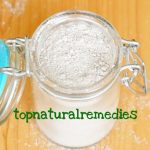
diy-ginger-powder

Evidence-Based Benefits of Ginger Powder

The therapeutic effects of ginger are primarily attributed to its bioactive compounds, mainly gingerols and shogaols. Shogaols, which are more concentrated in dried ginger, are particularly potent. Consequently, homemade powder can be an effective preparation.

1. Management of Nausea and Vomiting

Ginger is one of the most well-researched natural remedies for nausea. For instance, multiple clinical trials have demonstrated its efficacy in reducing nausea and vomiting associated with pregnancy (morning sickness). According to a 2021 meta-analysis published in the *Journal of Obstetrics and Gynaecology*, ginger was found to be an effective and safe option for managing these symptoms. Furthermore, it is recognized by the World Health Organization (WHO) for its use in preventing nausea and vomiting caused by motion sickness.

2. Support for Digestive Health

Traditionally, herbalists have used ginger to address digestive complaints. Modern research supports this use, indicating that ginger can help accelerate gastric emptying. This action may provide relief from symptoms of functional dyspepsia (chronic indigestion), such as bloating, upper abdominal discomfort, and feelings of fullness. Its carminative properties also help in expelling intestinal gas.

3. Anti-Inflammatory and Analgesic Properties

Ginger’s active compounds exhibit significant anti-inflammatory effects by inhibiting pro-inflammatory pathways in the body. For this reason, it is often used to help manage pain associated with inflammatory conditions. For example, studies suggest that ginger may help reduce pain in individuals with osteoarthritis. Additionally, it has shown promise in alleviating dysmenorrhea (menstrual pain), with some research indicating its effects can be comparable to non-steroidal anti-inflammatory drugs (NSAIDs) like ibuprofen.

How to Prepare High-Quality Ginger Powder at Home

Making your own ginger powder ensures freshness and potency, free from additives or fillers. The process is straightforward and requires minimal equipment.

Step 1: Select and Prepare the Ginger Root

Begin with fresh, firm ginger roots. Look for smooth skin with no signs of mold or soft spots. First, wash the roots thoroughly to remove any soil. Then, using a spoon or a vegetable peeler, carefully scrape off the thin outer skin.

Step 2: Slice the Ginger Thinly

After peeling, slice the ginger root into very thin, uniform pieces. A mandoline slicer is ideal for this, but a sharp knife also works well. The thinner the slices, the faster and more evenly they will dry.

Step 3: Dehydrate the Ginger Slices

Proper drying is the most critical step. You have several options:

  • Dehydrator: This is the most reliable method. Arrange the slices in a single layer on the trays and dry at a low temperature (around 115-135°F or 45-55°C) for several hours until they are completely brittle and snap easily.
  • Oven: Place the slices on a baking sheet lined with parchment paper. Set your oven to its lowest temperature and leave the door slightly ajar to allow moisture to escape. Check frequently, as this method is faster and carries a risk of burning the ginger.
  • Sun-Drying: In a hot, dry, and sunny climate, you can place the slices on a rack covered with a fine mesh to protect from insects. This natural method takes several days.

Step 4: Grind into a Fine Powder

Once the ginger pieces are completely dry and cooled, it is time to grind them. Use a high-powered blender, a coffee grinder, or a spice grinder. Grind in short bursts until you achieve a fine, consistent powder. Sift the powder to remove any larger fibrous pieces, and re-grind them if necessary.

Step 5: Store for Maximum Potency

Finally, transfer the ginger powder to an airtight glass container. Store it in a cool, dark, and dry place, such as a pantry or cupboard. Properly stored, homemade ginger powder will retain its potency for 6-12 months.

Administration Protocol and Safety Limits

Using ginger powder therapeutically requires adherence to specific guidelines to ensure both safety and efficacy.

Guideline Protocol
Maximum Daily Dose Up to 4 grams of dried ginger powder per day for a healthy adult, divided into smaller doses. For pregnancy-related nausea, the dose is typically limited to 1 gram per day.
Treatment Duration For acute conditions like nausea, use is short-term. For chronic inflammatory conditions, use for 4-6 weeks, followed by a mandatory break of at least 2 weeks to assess continued need and prevent potential side effects.
Administration Method Always take ginger powder with food or after a meal to minimize the risk of gastrointestinal upset or heartburn. It can be mixed into warm water, tea, or encapsulated.
Overdose Risk Exceeding 5 grams per day significantly increases the risk of adverse effects such as heartburn, diarrhea, and mouth irritation.

Specific Biological Limitation

Anti-platelet Activity: Ginger contains compounds that can inhibit platelet aggregation, which is the process of blood clotting. While this “blood-thinning” effect can be beneficial in some cardiovascular contexts, it becomes a significant risk for individuals with bleeding disorders or those taking anticoagulant or anti-platelet medications. This mechanism is why ginger use must be discontinued before surgery and used with extreme caution in combination with blood-thinning drugs.

Contraindications and Precautions

Despite its safety profile at normal doses, ginger is not suitable for everyone.

  • Absolute Contraindications: Individuals with known bleeding disorders (e.g., hemophilia) or those with an allergy to ginger should avoid it completely.
  • Gallstone Disease: Ginger stimulates bile production. Therefore, individuals with gallstones should consult a healthcare provider before use, as it could potentially trigger a gallbladder attack.
  • Pre-Surgery: Discontinue all ginger supplements at least two weeks before any scheduled surgery to reduce the risk of excessive bleeding.

Vulnerable Populations

  • Pregnancy: While low doses (up to 1g/day) are generally considered safe for morning sickness, high doses should be avoided. Always consult an obstetrician before use.
  • Breastfeeding: Safety data is limited. It is best to consult a healthcare provider before using therapeutic doses while breastfeeding.
  • Children: Use in children under two is not recommended. For older children, dosing should be adjusted by a qualified practitioner.

Major Drug Interactions

  • Anticoagulants (e.g., Warfarin, Aspirin): Increases the risk of bleeding and bruising.
  • Anti-diabetic Drugs: Ginger may lower blood sugar levels, potentially enhancing the effect of these medications and increasing the risk of hypoglycemia.
  • Blood Pressure Medications (e.g., Calcium Channel Blockers): Ginger may lower blood pressure, potentially leading to hypotension when combined with these drugs.

Therapeutic Alternatives

If ginger is not a suitable option for you, other botanicals with supportive evidence may be considered:

  1. For Nausea: Peppermint (*Mentha x piperita*) is well-regarded for its antiemetic and antispasmodic effects on the digestive tract, making it an excellent alternative for nausea and indigestion.
  2. For Joint Inflammation: Boswellia (*Boswellia serrata*) contains boswellic acids, which are potent anti-inflammatory compounds that work through a different mechanism than ginger, making it a strong alternative for joint pain relief.
  3. For Menstrual Pain: Fennel (*Foeniculum vulgare*) has been shown in clinical studies to be effective in reducing the intensity and duration of menstrual pain, acting as an antispasmodic.

Recent Medical Research (2020-2026)

Modern science continues to validate ginger’s traditional uses. A 2020 systematic review published in the journal *Nutrients* reaffirmed the strong evidence for ginger’s anti-inflammatory and antioxidant effects. Furthermore, a 2023 meta-analysis highlighted its potential role in metabolic health, suggesting benefits for glycemic control and lipid profiles. However, researchers note that more large-scale, long-term human trials are needed to establish standardized dosing and fully understand its long-term effects.

Specialist’s Summary

Ginger powder is a useful phytotherapeutic agent for managing mild to moderate nausea, digestive upset, and inflammatory pain. Its effects are well-documented and typically appear with consistent, short-term use. However, it is contraindicated for individuals with bleeding disorders or gallstones and has moderate interactions with anticoagulant and anti-diabetic medications. Validated alternatives include Peppermint for nausea and Boswellia for inflammation.

Frequently Asked Questions

1. Is homemade ginger powder more potent than store-bought?
Homemade powder is often more potent because it is fresher. The active compounds, particularly gingerols and shogaols, degrade over time. By making it yourself, you control the quality of the root and the freshness of the final product.

2. Can I use ginger powder every day?
Daily use in culinary amounts is generally safe. For therapeutic doses (1-4 grams), it is best used for specific conditions for a limited duration (e.g., a few days for nausea, a few weeks for pain), followed by a break. Long-term daily use should be discussed with a healthcare provider.

3. Does ginger powder help with weight loss?
Some preliminary research suggests ginger may have a modest effect on metabolism and appetite regulation. However, it is not a weight-loss solution on its own. It should be seen as a supportive element within a healthy diet and active lifestyle, not a primary treatment.

4. Is ginger safe for children, during pregnancy, or while breastfeeding?
Ginger is not recommended for children under two. For pregnancy, low doses (up to 1g/day) are generally considered safe for morning sickness but require a doctor’s approval. Due to limited data, consult a healthcare provider before using therapeutic doses while breastfeeding.

Sources and References

Recent Studies (2020-2026):

  1. Wang, S., et al. (2023). The Effect of Ginger Supplementation on Glycemic and Lipid Profiles in Adults: A Systematic Review and Meta-Analysis of Randomized Controlled Trials. Nutrients.
  2. Anh, N. H., et al. (2020). Ginger on Human Health: A Comprehensive Systematic Review of 109 Randomized Controlled Trials. Nutrients.
  3. Viljoen, E., et al. (2021). A systematic review and meta-analysis of the effect and safety of ginger in the treatment of pregnancy-associated nausea and vomiting. Journal of Obstetrics and Gynaecology.

Official Monographs:

⚠️ Important Medical Information

This article is for educational and informational purposes only and is not intended as medical advice, diagnosis, or treatment. The information provided about Ginger (*Zingiber officinale*) is based on traditional use, preliminary research, and available scientific evidence, which may be limited.

Before using Ginger:

  • Consult a qualified healthcare provider, especially if you are pregnant, breastfeeding, taking medications, or have existing health conditions like gallstones or a bleeding disorder.
  • Do not use as a substitute for prescribed medications or professional medical treatment.
  • Individual results may vary – what works for one person may not work for another.
  • Monitor for adverse reactions and discontinue use if negative symptoms occur.


You may also like

Leave a Comment