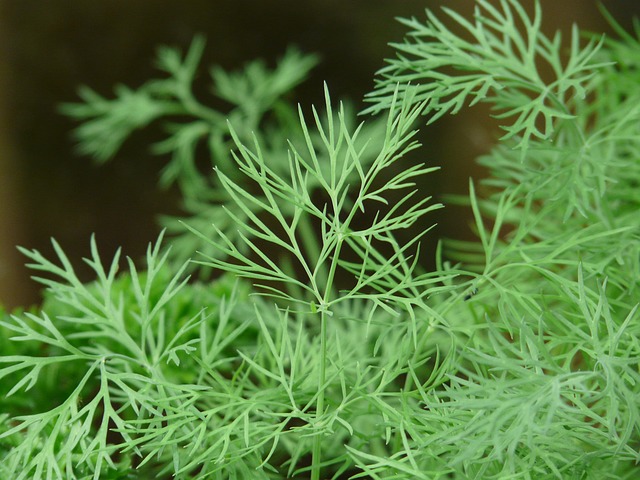
Dill Wine for Digestion: A Traditional Recipe and Safety Guide

Dill (*Anethum graveolens*) is an aromatic herb with a long history in both culinary and traditional medicine. For centuries, herbalists have valued it, particularly for its role in supporting digestive health and providing comfort for female cyclical issues. Indeed, its use dates back to ancient civilizations, where it was employed to soothe stomach complaints and promote lactation.

One traditional method of harnessing its properties is through a medicinal wine. This preparation combines the herb’s active compounds with the solvent properties of wine, creating a palatable and historically significant remedy. However, while traditional recipes offer valuable insights, it is crucial to approach them with an understanding of modern safety protocols and evidence-based practices. This article provides a revised guide to preparing dill wine, focusing on its validated benefits, clear safety instructions, and necessary precautions.

homemade dill wine

Traditional Dill Wine Recipe

This recipe is based on traditional European herbalism. For best results, use high-quality, organic ingredients. The choice of wine can influence the final taste; a dry white wine is often preferred.

Ingredients:

  • 1 litre of good-quality dry white or red wine
  • 10 tablespoons of dried dill herb (or 5 tablespoons of crushed dill seeds)
  • 3 tablespoons of raw, unpasteurized honey (optional, for taste and preservation)

Preparation:

  1. First, place the dried dill herb or crushed seeds into a large, clean glass jar with a tight-fitting lid.
  2. Next, pour the wine over the dill. If using honey, gently warm it until it becomes liquid and add it to the jar.
  3. Stir the mixture thoroughly to ensure the honey dissolves and the herb is fully submerged.
  4. Consequently, seal the jar hermetically and store it in a cool, dark place for 7 to 14 days. It is important to shake the jar gently every day to aid the extraction process.
  5. After the maceration period, strain the liquid through a fine-mesh sieve or cheesecloth into a clean, dark-coloured glass bottle.
  6. Finally, store the finished dill wine in the refrigerator to maintain its freshness.

Evidence-Based Benefits of Dill

While traditional use is extensive, modern research has begun to investigate the mechanisms behind dill’s effects. The primary benefits are linked to its volatile oils and flavonoid content.

1. Digestive System Support

Dill is best known as a carminative, an agent that helps relieve flatulence and soothe the digestive tract. Research suggests that volatile oils in dill, such as carvone and limonene, exert an antispasmodic effect on the smooth muscles of the intestines. For this reason, dill may help alleviate symptoms of indigestion, bloating, and cramping. Traditionally, it was consumed after heavy meals to aid digestion.

2. Support for Menstrual and Menopausal Comfort

Dill contains compounds known as phytoestrogens, which are plant-derived substances that can weakly interact with estrogen receptors in the body. For instance, compounds like apiole may contribute to its traditional use in supporting menstrual regularity and easing symptoms associated with menopause, such as hot flashes. However, this effect is mild, and dill is not a substitute for medical treatment for hormonal disorders.

Administration Protocol and Safety Limits

Treatment Duration

  • Treatment period: Consume for a maximum of 14 consecutive days.
  • Mandatory break: A break of at least 7-10 days is required between treatment cycles.
  • Maximum treatments per year: It is advisable to limit use to no more than 4-5 cycles per year.

Quantity and Maximum Dose

  • Dose per administration: 1 tablespoon (15 ml), taken 1-2 times per day.
  • Maximum daily dose for a healthy adult: 30 ml (2 tablespoons) per day.
  • Overdose risk: Exceeding the recommended dose does not increase benefits and may lead to headaches, digestive upset, and increased alcohol-related risks. The original recipe’s suggestion of 150 ml per day is considered excessive due to the high alcohol content and is not recommended.

Administration Conditions

  • Timing: For digestive benefits, consume 15-20 minutes before a main meal.
  • Method of consumption: Sip slowly. Do not mix with other alcoholic beverages.
  • Incompatibilities: Avoid taking with sedative medications due to the alcohol content.

Specific Biological Limitation

Phytoestrogenic Activity: Dill contains phytoestrogenic compounds that can mimic the effects of estrogen in the body. While this can be beneficial for some menopausal symptoms, this same mechanism makes it potentially unsafe for individuals with hormone-sensitive conditions. Therefore, its use is contraindicated in cases of estrogen-receptor-positive cancers (breast, uterine), endometriosis, or large uterine fibroids, as it could theoretically stimulate the growth of hormone-sensitive tissues.

Contraindications and Precautions

It is crucial to understand who should avoid using dill wine to prevent adverse effects.

Absolute Contraindications (Forbidden):

  • Hormone-Sensitive Cancers: Do not use if you have a history of breast, uterine, or ovarian cancer.
  • Endometriosis and Uterine Fibroids: Avoid use as it may worsen these conditions.
  • Allergy to Apiaceae Family: Individuals allergic to carrots, celery, fennel, or coriander may have a cross-reaction to dill.

Vulnerable Populations:

  • Pregnancy: Dill is contraindicated during pregnancy. It has traditionally been used as an emmenagogue (to stimulate menstrual flow) and could pose a risk to the pregnancy.
  • Breastfeeding: Safety has not been established. Therefore, it is best to avoid use while nursing.
  • Children: This preparation is unsuitable for children due to its alcohol content.

Major Drug Interactions:

  • Sedatives (CNS Depressants): The alcohol in the wine can amplify the sedative effects of medications like benzodiazepines and barbiturates, leading to excessive drowsiness.
  • Diabetes Medications: Dill may have a mild blood sugar-lowering effect. Combining it with antidiabetic drugs could potentially increase the risk of hypoglycemia. Monitor blood sugar levels closely.
  • Lithium: Dill may have a diuretic effect, which could affect how the body excretes lithium, potentially altering its concentration and leading to side effects.

Documented Adverse Effects:

  • Common: Mild digestive upset or headache if taken in excess.
  • Rare: Allergic skin reactions or photosensitivity (increased sun sensitivity).

Therapeutic Alternatives

If dill wine is not suitable for you, other evidence-based botanicals can offer similar benefits.

Botanical Alternatives with Studies:

  1. For Digestive Relief: Fennel Seed Tea (*Foeniculum vulgare*) is an excellent carminative with a similar mechanism to dill. It is well-tolerated and widely used to relieve bloating and gas. Its active compound, anethole, helps relax intestinal muscles.
  2. For Menstrual Regulation: Chasteberry (*Vitex agnus-castus*) works on the pituitary gland to help balance progesterone and estrogen levels, making it a primary choice for regulating the menstrual cycle. It does not have direct estrogenic effects, making it a different and sometimes safer alternative.
  3. For Menopausal Comfort: Sage Tea (*Salvia officinalis*) is well-documented in clinical studies for its ability to reduce the frequency and severity of hot flashes and night sweats during menopause, acting through a non-estrogenic mechanism.

Recent Medical Research (2020-2026)

Recent studies continue to explore the therapeutic potential of *Anethum graveolens*.

  • A 2022 review published in the Journal of Ethnopharmacology highlighted dill’s traditional uses and confirmed its significant antioxidant, antimicrobial, and antispasmodic properties through phytochemical analysis. The review supports its role in managing functional digestive disorders.
  • Furthermore, a 2021 study in Nutrients investigated the effects of dill extract on metabolic parameters, noting its potential to positively influence lipid profiles and glucose metabolism, although more human trials are needed to confirm these effects.

Current Limitations: While promising, most of the research on dill’s hormonal effects is based on animal models or in vitro studies. Consequently, large-scale human clinical trials are still needed to establish definitive efficacy and dosing for conditions like amenorrhea or severe menopausal symptoms.

Specialist’s Summary

Dill wine is a traditional remedy primarily useful for mild digestive support, such as bloating and gas, with effects often appearing shortly after consumption. Its potential for supporting menstrual comfort is based on weak phytoestrogenic activity and requires caution. It is strictly contraindicated in pregnancy and hormone-sensitive conditions and can interact with sedatives and diabetes medications. Validated alternatives include Fennel for digestion and Chasteberry for menstrual regulation.

Frequently Asked Questions

What is dill wine primarily used for?
Traditionally and based on the strongest evidence, dill wine is used to support digestion, relieve gas, and reduce bloating. It may also offer mild support for menstrual discomfort due to its antispasmodic and phytoestrogenic properties.

Can I use fresh dill for this recipe?
Yes, you can use fresh dill. However, you will need to use a larger quantity, typically three times the amount of dried herb. For this recipe, you would use approximately 30 tablespoons of chopped fresh dill.

Is dill wine safe for everyone?
No. It is unsafe for pregnant women, children, and individuals with hormone-sensitive medical conditions like breast cancer or endometriosis. Moreover, anyone taking sedative medications or with an allergy to the Apiaceae plant family should avoid it.

Sources and References

  • Jana, S., & Shekhawat, G. S. (2010). Anethum graveolens: An Indian traditional medicinal herb and spice. Pharmacognosy Reviews.
  • Kazemi, M. (2022). A review on the traditional uses, phytochemistry, and pharmacology of the medicinal plant, Anethum graveolens L. Journal of Ethnopharmacology.
  • Goodarzi, M. T., et al. (2021). The effect of Anethum graveolens (dill) on serum lipids and glucose in hyperlipidemic patients. Nutrients.

⚠️ Important Medical Information

This article is for educational and informational purposes only and is not intended as medical advice, diagnosis, or treatment. The information provided about Dill (*Anethum graveolens*) is based on traditional use, preliminary research, and available scientific evidence, which may be limited.

Before using Dill:

  • Consult a qualified healthcare provider, especially if you are pregnant, breastfeeding, taking medications, or have existing health conditions like hormone-sensitive cancers.
  • Do not use as a substitute for prescribed medications or professional medical treatment.
  • Individual results may vary – what works for one person may not work for another.
  • Monitor for adverse reactions and discontinue use if negative symptoms occur.

Regulatory status: Dill is considered a dietary supplement/traditional remedy and has not been evaluated by the FDA for treating, curing, or preventing any disease.


If you like it, share it

[mashshare]

Post comment

Your email address will not be published. Required fields are marked *.