The Truth About Detox Foot Pads: Safe Alternatives for Foot Wellness

Learn why foot pads don't work and discover evidence-based recipes for therapeutic foot soaks.

by Andreea Smiterson
1 comment
A+A-
Reset

The concept of “detox foot pads,” often promoted as an easy way to draw toxins from the body, has gained significant popularity. Many products and homemade recipes claim that the pads turn dark overnight as they absorb harmful substances. However, it is crucial to examine these claims from a scientific and phytotherapeutic perspective.

From a medical standpoint, there is no evidence to support the idea that foot pads can pull toxins, heavy metals, or other waste products through the skin on the soles of the feet. The body’s natural detoxification is a complex process managed primarily by the liver and kidneys, which filter waste from the blood and excrete it through urine and feces. The skin, while an excretory organ through sweat, does not function as a primary pathway for eliminating systemic toxins in this manner.

homemade foot pads

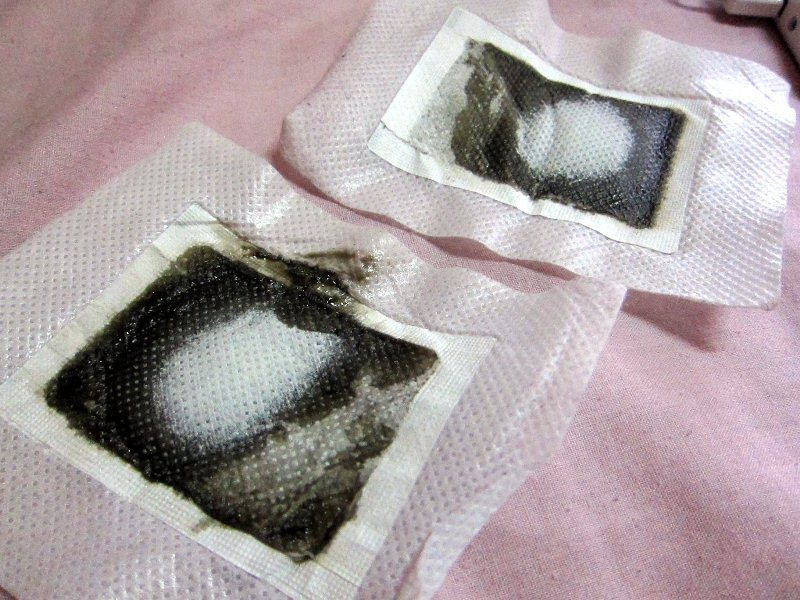
Why Do Foot Pads Turn Dark?

The dark, often sticky residue seen on foot pads in the morning is not a result of extracted toxins. Instead, it is a simple chemical reaction. The ingredients within the pads (such as wood vinegar in commercial products, or the sulfur compounds in onion and garlic in homemade versions) react with the moisture from sweat and oxidize when exposed to air and the warmth of your feet. Consequently, the color change will occur even if the pads are simply dampened with water, demonstrating that it is not linked to bodily detoxification.

While the original premise of detox foot pads lacks scientific support, the desire for wellness and purification can be channeled into effective, evidence-based practices. Therefore, we will explore therapeutic foot soaks—a traditional hydrotherapy method with recognized benefits for relaxation, circulation, and localized relief.

Therapeutic Foot Soaks: An Evidence-Based Alternative

Instead of relying on unsubstantiated claims, a therapeutic foot soak uses water and validated botanical ingredients to provide tangible benefits. This practice, known as balneotherapy or hydrotherapy, can help soothe tired muscles, soften skin, and promote a sense of well-being, which indirectly supports the body’s overall health.

Recipe 1: Soothing Magnesium and Lavender Foot Soak

This soak is designed for relaxation, easing muscle tension, and calming the nervous system after a long day.

Ingredients
  • 1/2 cup Epsom salt (Magnesium sulfate)
  • 5-7 drops of Lavender (Lavandula angustifolia) essential oil
  • 1 tablespoon of a carrier oil (like jojoba or almond oil)
  • A basin of warm water (not hot)
Instructions
  1. First, mix the lavender essential oil with the carrier oil. This is crucial for safe dilution and to prevent skin irritation.
  2. Fill a basin with warm water, ensuring the temperature is comfortable to the touch (around 37-40°C or 98-104°F).
  3. Add the Epsom salt to the water and stir until it dissolves.
  4. Add the oil mixture to the water and stir gently.
  5. Immerse your feet and soak for 15-20 minutes.
  6. Afterward, pat your feet dry thoroughly and apply a moisturizer.

Recipe 2: Warming Ginger and Mustard Foot Soak

This traditional remedy is excellent for improving circulation, warming cold feet, and potentially easing congestion, based on principles of hydrotherapy.

Ingredients
  • 1 tablespoon of freshly grated Ginger (Zingiber officinale) or 1 teaspoon of dried ginger powder
  • 1 tablespoon of Mustard seed powder (Brassica nigra)
  • A basin of warm water
Instructions
  1. Fill a basin with comfortably warm water.
  2. Add the ginger and mustard powder, stirring well to disperse them.
  3. Soak your feet for 10-15 minutes. You may notice a warming sensation and slight redness, which is a normal effect of mustard’s circulation-boosting properties.
  4. Rinse your feet with clean water after the soak and dry them completely.

Administration Protocol and Safety Limits

For any therapeutic foot soak, adhering to safety protocols is essential for achieving benefits without adverse effects.

  • Treatment Duration: Limit soaks to a maximum of 20 minutes. Prolonged immersion can lead to dry or irritated skin.
  • Mandatory Break: Use therapeutic soaks 2-3 times per week, not daily. Allow your skin to rest between sessions.
  • Water Temperature: The water should be warm, not hot. A safe temperature is between 37-40°C (98-104°F). Always test the water with your hand or a thermometer before immersing your feet, especially if you have reduced sensation.
  • Hydration: Drink a glass of water before or after your soak to stay hydrated.

Specific Biological Limitation

The ingredients in these soaks have specific physiological effects. For instance, mustard powder is a rubefacient, meaning it contains compounds like isothiocyanates that increase localized blood flow by irritating the skin. While this is beneficial for warming and circulation, it can cause significant irritation or blistering for individuals with sensitive skin or if used in excessive amounts or for too long.

Similarly, while Epsom salt is generally safe, individuals with severe kidney disease should consult a healthcare provider, as impaired kidneys may struggle to excrete excess magnesium if significant absorption were to occur.

Contraindications and Precautions

It is critical to be aware of situations where foot soaks are not recommended.

  • Absolute Contraindications: Do not perform a foot soak if you have open wounds, sores, active infections (like athlete’s foot), or severe inflammatory skin conditions (like eczema or psoriasis) on your feet.
  • Vulnerable Populations:
    • Diabetes: Individuals with diabetes, particularly those with neuropathy (nerve damage), should avoid warm or hot foot soaks due to the high risk of accidental burns. Always consult a diabetologist or podiatrist before any form of foot therapy.
    • Pregnancy: While lavender is generally considered safe, some essential oils are contraindicated during pregnancy. Always consult a healthcare provider. Avoid very hot water, as it can raise core body temperature.
    • Children: Use only plain warm water for children. Their skin is more sensitive to botanicals and essential oils.
  • Circulatory Conditions: If you have severe peripheral artery disease, varicose veins, or other significant circulatory issues, consult your doctor before using warming soaks, as they alter blood flow.
  • When to Stop Immediately: Discontinue the soak if you experience any skin irritation, rash, dizziness, or discomfort.

Therapeutic Alternatives

If you are seeking to support your body’s natural detoxification systems, focus on evidence-based systemic approaches rather than localized, unproven methods.

  1. Support Liver and Kidney Function: These are your body’s primary detox organs. Herbs like Milk Thistle (Silybum marianum) contain silymarin, which research suggests has hepatoprotective effects. Similarly, Dandelion Root (Taraxacum officinale) is traditionally used as a diuretic to support kidney function and as a cholagogue to promote bile flow from the liver.
  2. Promote Lymphatic Circulation: The lymphatic system helps remove waste. Regular physical activity, such as walking or rebounding, is one of the most effective ways to stimulate lymphatic flow.
  3. Enhance Elimination: A diet rich in fiber from fruits, vegetables, and whole grains is essential for regular bowel movements, a primary route for toxin elimination. Adequate hydration is also critical for kidney function and waste removal.

Recent Medical Research (2020-2026)

While research on “detox foot pads” is virtually nonexistent in credible medical journals, studies on hydrotherapy and balneotherapy continue to validate their therapeutic potential. A 2022 systematic review published in the journal Evidence-Based Complementary and Alternative Medicine confirmed that hydrotherapy can have positive effects on pain, quality of life, and sleep quality in various populations. Research into the transdermal absorption of magnesium from Epsom salt baths remains inconclusive, with some studies suggesting minimal absorption. However, the practice is widely recognized for its muscle-relaxing and stress-reducing benefits, likely due to the combination of warm water and the psychological effects of the ritual itself.

Specialist’s Summary

The claim that foot pads can detoxify the body is not supported by scientific evidence; the color change is a chemical reaction with sweat, not a sign of toxin removal. For genuine wellness, therapeutic foot soaks with ingredients like Epsom salt or ginger offer validated benefits for relaxation and circulation. True detoxification is best supported through systemic lifestyle measures, including a healthy diet, hydration, and exercise, which aid the liver and kidneys. Always observe safety protocols with soaks, especially if you have diabetes or circulatory issues.

Frequently Asked Questions

1. Do detox foot pads actually work to remove toxins?
No. There is no scientific evidence that foot pads can pull toxins from the body. The dark color that appears is a chemical reaction between the pad’s ingredients, sweat, and air.

2. What are the real benefits of a therapeutic foot soak?
The primary benefits include muscle relaxation, improved localized circulation, reduced stress, and softening of the skin. They do not pull systemic toxins from the body but can contribute to overall well-being.

3. How often can I do a foot soak?
For most healthy adults, 2-3 times per week for 15-20 minutes per session is a safe frequency. Daily soaks may lead to skin dryness or irritation.

4. Is a hot foot soak safe if I have diabetes?
No. It is generally unsafe for individuals with diabetic neuropathy to use hot or warm soaks due to a reduced ability to sense temperature, which creates a high risk of severe burns. Always consult a healthcare provider for safe foot care practices.

Sources and References

  • Goto, Y., Hayasaka, S., Kurihara, Y., & Nakamura, Y. (2022). Physical and Mental Effects of Hydrotherapy: A Systematic Review. Evidence-Based Complementary and Alternative Medicine, 2022, 1-11. https://www.hindawi.com/journals/ecam/2022/9935108/
  • Gröber, U., Werner, T., Vormann, J., & Kisters, K. (2017). Myth or Reality—Transdermal Magnesium? Nutrients, 9(8), 813. https://www.mdpi.com/2072-6643/9/8/813
  • European Medicines Agency (EMA). (2016). European Union herbal monograph on Lavandula angustifolia Miller, aetheroleum.

⚠️ Important Medical Information

This article is for educational and informational purposes only and is not intended as medical advice, diagnosis, or treatment. The information provided about therapeutic foot soaks is based on traditional use and available scientific evidence, which may be limited.

Before using any therapeutic soak:

  • Consult a qualified healthcare provider, especially if you are pregnant, breastfeeding, taking medications, or have existing health conditions like diabetes or circulatory problems.
  • Do not use as a substitute for prescribed medications or professional medical treatment.
  • Individual results may vary – what works for one person may not work for another.
  • Monitor for adverse reactions and discontinue use if negative symptoms occur.


You may also like

1 comment

Ruthie Preston Porter
Ruthie Preston Porter June 17, 2016 - 07:11

Sandy Odom. Something to help with the detox we talked about

Reply

Leave a Comment