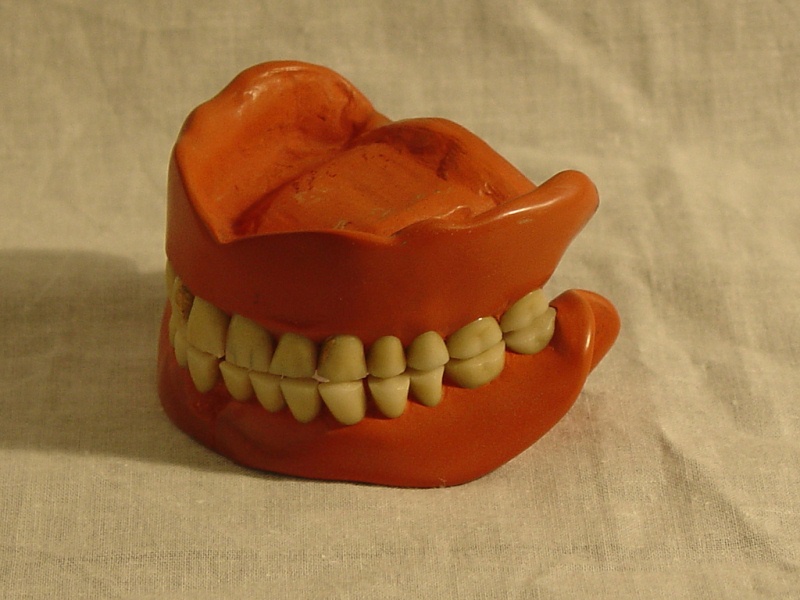
Natural Relief for Denture Pain: 4 Herbal Remedies and Safety Tips

by Andreea Smiterson
1 comment
A+A-
Reset

Adjusting to new dentures can often involve a period of discomfort, including gum soreness, swelling, and irritation. While these symptoms are common as your mouth adapts, they can be disruptive. The primary cause is often pressure from the new appliance on the gum tissue. However, persistent pain can also indicate poorly fitting dentures, bacterial buildup, or oral yeast infections (candidiasis).

Therefore, the most critical first step is to consult your dentist or prosthodontist. They can ensure your dentures fit correctly and rule out any underlying issues. For temporary relief from minor irritation during the adjustment phase, certain traditional remedies, supported by scientific understanding, may offer comfort.

remedies for denture pain

This article explores evidence-based phytotherapeutic options for managing temporary denture-related gum pain.

Evidence-Based Herbal Rinses and Gels for Gum Discomfort

These remedies are intended for topical use to soothe irritated gums. Importantly, they are not a substitute for professional dental care or proper denture hygiene.

1. Clove (Syzygium aromaticum) for Analgesic Effects

Mechanism of Action: Clove has a long history in traditional dentistry, primarily due to its main active compound, eugenol. Eugenol functions as a natural local anesthetic and has documented anti-inflammatory and antibacterial properties. According to research published in the Journal of Dentistry, eugenol can be as effective as benzocaine for topical pain relief.

How to Prepare a Safe Clove Compress:

  • Grind 2-3 whole cloves into a fine powder.
  • Mix ½ teaspoon of the powder with a few drops of olive oil to form a thin paste.
  • Apply a small amount of this paste to a sterile cotton ball and place it gently on the sore area of the gum for 5-10 minutes.
  • Remove the cotton ball and rinse your mouth thoroughly with warm salt water.

Safety Note: Never apply pure clove essential oil directly to the gums, as it is highly concentrated and can cause chemical burns and tissue damage. The diluted paste method is significantly safer.

2. Sage (Salvia officinalis) as an Astringent Mouthwash

Mechanism of Action: Sage is recognized by official monographs, including the European Medicines Agency (EMA), for its traditional use in treating minor inflammations of the mouth and throat. Its tannins provide an astringent effect, which helps to tighten gum tissue and reduce swelling. Furthermore, its essential oils offer mild antiseptic benefits.

How to Prepare a Sage Mouthwash:

  • Add one tablespoon of dried sage leaves (or two tablespoons of fresh leaves) to one cup of boiling water.
  • Cover and let it steep for 15 minutes.
  • Strain the liquid and allow it to cool completely.
  • Use this infusion as a mouthwash, swishing it in your mouth for 30-60 seconds, 2-3 times per day. Do not swallow.

3. Turmeric (Curcuma longa) for Inflammation

Mechanism of Action: Curcumin, the primary active compound in turmeric, is a potent anti-inflammatory agent. Studies, including a 2022 review in the Molecules journal, have highlighted its potential in managing oral inflammatory conditions like gingivitis. It may help reduce the inflammatory response caused by denture friction.

How to Prepare a Soothing Turmeric Paste:

  • Mix ¼ teaspoon of organic turmeric powder with enough water to form a smooth, thick paste.
  • After removing your dentures, gently apply this paste to the affected gum areas with a clean finger.
  • Leave it on for 5 minutes, then rinse thoroughly with warm water.
  • Use this remedy once daily as needed.

Note: Turmeric can temporarily stain dentures and natural teeth, so ensure you rinse thoroughly and clean your dentures separately.

4. Aloe Vera (Aloe barbadensis miller) for Soothing and Healing

Mechanism of Action: Aloe vera gel is well-known for its soothing, moisturizing, and wound-healing properties. It contains compounds like acemannan that can accelerate tissue repair and reduce inflammation, making it suitable for raw, irritated gums.

How to Apply Aloe Vera Gel:

  • Use 100% pure Aloe vera gel (with no added sugar or alcohol).
  • Apply a small amount of the gel directly to the sore spots on your gums after removing your dentures.
  • Let it sit for 10-15 minutes before rinsing.
  • For best results, avoid eating or drinking for at least 30 minutes after application.

Administration Protocol and Safety Limits

These remedies are intended for short-term use to manage temporary discomfort.

  • Treatment Duration: Use these topical remedies for a maximum of 7-10 consecutive days.
  • Mandatory Break: If symptoms persist, discontinue use and consult your dentist immediately. These remedies should not be used long-term.
  • Frequency: Do not exceed the recommended application frequency (typically 2-3 times per day). Overuse can lead to further irritation.
  • When to Stop: Discontinue use immediately if you experience increased pain, allergic reactions (such as rash or itching), or worsening symptoms.

Specific Biological Limitation

The primary limitation of these herbal remedies is that they only address symptoms like pain and inflammation. They cannot correct the root cause of denture pain, which is most often a mechanical issue related to an improper fit. Continuous pressure from ill-fitting dentures can lead to serious gum sores, bone loss, and changes in facial structure. Therefore, phytotherapy serves as a temporary comfort measure while you await a professional dental appointment for denture adjustment.

Contraindications and Precautions

  • Allergies: Do not use any of these herbs if you have a known allergy to them or plants in their respective families (e.g., Lamiaceae for sage, Zingiberaceae for turmeric).
  • Open Wounds: Avoid applying these preparations directly onto open sores or bleeding gums without consulting a healthcare provider.
  • Pregnancy and Breastfeeding: While topical use is generally considered low-risk, consult a healthcare professional before using any herbal remedy during pregnancy or while breastfeeding.
  • Medication Interactions: If you are taking blood-thinning medications (e.g., warfarin), consult your doctor before using turmeric regularly, even topically, as it may have mild anticoagulant effects.

Therapeutic Alternatives

If these remedies are unsuitable or ineffective, consider these validated alternatives:

  1. Myrrh Tincture (Commiphora myrrha): Traditionally used as an oral astringent and antiseptic. A diluted myrrh tincture in water can be used as a mouth rinse to help soothe inflamed gums.
  2. Chamomile Compress (Matricaria recutita): A cooled chamomile tea bag can be used as a gentle, anti-inflammatory compress on sore gums, particularly for those with sensitive mouths.
  3. Pharmacological Options: Over-the-counter oral anesthetic gels containing benzocaine can provide effective, temporary pain relief. Additionally, your dentist may recommend specific denture adhesives or soft liners to cushion the gums and improve fit.

Recent Medical Research (2020-2026)

Recent research continues to validate the use of botanicals in oral health. A 2022 systematic review on herbal remedies for oral mucositis confirmed the anti-inflammatory and healing properties of plants like Aloe vera and Chamomile. Furthermore, a 2022 study on eugenol reiterated its significant analgesic and anti-inflammatory potential in dental applications. This growing body of evidence supports the targeted, short-term use of these traditional remedies for symptomatic relief, though research specifically on denture-induced pain is still limited.

Specialist’s Summary

Herbal remedies like Clove, Sage, and Turmeric can offer moderate, temporary relief from the gum inflammation and pain associated with new dentures. They are best used as short-term comfort measures while seeking professional dental evaluation to address the underlying cause, which is typically an improper fit. These remedies are contraindicated for individuals with specific allergies and should not replace proper denture hygiene or necessary dental adjustments. Validated alternatives include Myrrh tincture and professional oral anesthetic gels.

Frequently Asked Questions

1. How long does pain from new dentures normally last?
The initial adjustment period typically lasts from a few days to a few weeks. However, if you experience sharp, persistent, or worsening pain, it is a sign that your dentures need to be adjusted by a dentist.

2. Is it safe to use salt water rinses every day?
Yes, rinsing with a warm salt water solution (½ teaspoon of salt in one cup of warm water) is a safe and effective way to cleanse the mouth, reduce minor inflammation, and promote healing. It can be done 2-3 times a day, especially after removing your dentures.

3. Can I leave my dentures in while using these remedies?
No. It is essential to remove your dentures before applying any paste, gel, or using a mouthwash. This ensures the remedy reaches the affected gum tissue and prevents trapping bacteria or plant material under the denture, which could worsen irritation.

Sources and References

  • Alqareer, A., Alyahya, A., & Andersson, L. (2006). The effect of clove and benzocaine versus placebo as topical anesthetics. Journal of Dentistry.
  • European Medicines Agency (EMA). (2016). European Union herbal monograph on Salvia officinalis L., folium.
  • Kotha, R. R., & Luthria, D. L. (2019). Curcumin: Biological, Pharmaceutical, and Analytical Aspects. Molecules.
  • Yarom, N., et al. (2022). Systematic review of natural and herbal remedies for the management of oral mucositis in cancer patients. Supportive Care in Cancer.

⚠️ Important Medical Information

This article is for educational and informational purposes only and is not intended as medical advice, diagnosis, or treatment. The information provided about herbal remedies for denture pain is based on traditional use and scientific evidence, which may be limited.

Before using any herbal remedy:

  • Consult a qualified healthcare provider or dentist, especially if you are pregnant, breastfeeding, taking medications, or have existing health conditions.
  • Do not use as a substitute for professional dental evaluation, denture adjustments, or prescribed treatments.
  • Individual results may vary – what works for one person may not work for another.
  • Monitor for adverse reactions and discontinue use if negative symptoms occur.

Regulatory status: These herbal preparations are considered traditional remedies and have not been evaluated by the FDA for treating, curing, or preventing any disease.


You may also like

Leave a Comment