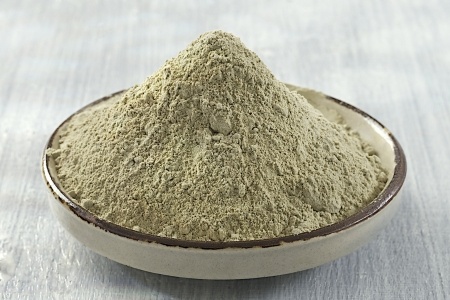
Bentonite Clay for Acne: How to Use It Safely and Effectively

A science-based guide to using bentonite clay masks for oily skin, including recipes and safety protocols.

by Andreea Smiterson
1 comment
A+A-
Reset

Bentonite clay, a natural substance derived from volcanic ash, has been used for centuries in traditional medicine across various cultures for its purported purifying properties. Today, it is a popular ingredient in skincare, particularly for managing oily and acne-prone skin. However, its effectiveness and safety depend entirely on proper use.

This article provides an evidence-based overview of how bentonite clay may help with acne, offers safe preparation methods, and outlines crucial safety protocols to prevent skin irritation.

Bentonite Clay Mask for Acne

How Bentonite Clay May Help Manage Acne

The potential benefits of bentonite clay for acne-prone skin are linked to its unique physical and chemical properties. Instead of being absorbed by the skin, it works on the surface through a process called adsorption.

  • Adsorption of Sebum and Impurities: Bentonite clay possesses a strong negative ionic charge. According to research published in the journal *Minerals*, this negative charge allows it to attract and bind to positively charged molecules like excess sebum (skin oil), bacteria, and other impurities on the skin’s surface. Consequently, when you rinse the mask off, these impurities are washed away with it.
  • Pore Decongestion: By effectively removing excess oil and debris, bentonite clay can help decongest clogged pores, which are a primary factor in the formation of comedones (blackheads and whiteheads).
  • Soothing Properties: Furthermore, some clinical observations suggest that clay minerals can have a soothing effect on inflamed skin, potentially reducing the redness and irritation associated with inflammatory acne lesions.

It is important to note that while these mechanisms are promising, large-scale clinical trials specifically on bentonite clay for acne treatment are limited. Therefore, it should be considered a supportive measure rather than a definitive cure.

Validated Bentonite Clay Mask Recipes

When preparing bentonite clay masks, you must avoid using metal bowls or utensils. The metal can react with the clay and reduce its negative ionic charge, potentially making it less effective. For this reason, always use glass, ceramic, wood, or plastic containers and spoons.

1. Soothing Green Tea and Bentonite Clay Mask

This recipe combines the adsorbent power of bentonite with the antioxidant and anti-inflammatory properties of green tea and aloe vera.

Ingredients:

  • 2 tablespoons bentonite clay
  • 2-3 tablespoons freshly brewed and cooled green tea
  • 1/2 tablespoon pure aloe vera gel

Preparation:

  1. In a non-metal bowl, place the bentonite clay.
  2. Slowly pour in the cooled green tea while stirring with a non-metal utensil until you form a smooth paste.
  3. Add the aloe vera gel and mix thoroughly. If the paste is too thick, add a little more green tea until it reaches a spreadable consistency.

2. Clarifying Oatmeal and Bentonite Clay Mask

This formulation is designed for oily, congested skin, incorporating oatmeal for gentle exfoliation and tea tree oil for its well-documented antimicrobial properties.

Ingredients:

  • 1 tablespoon bentonite clay
  • 1 tablespoon finely ground oatmeal (colloidal oatmeal is ideal)
  • 2-3 teaspoons of water or witch hazel
  • 2-3 drops of tea tree essential oil (Melaleuca alternifolia)

Preparation:

  1. In a non-metal bowl, combine the bentonite clay and ground oatmeal.
  2. Gradually add the water or witch hazel, mixing until a consistent paste is formed.
  3. Finally, add the tea tree essential oil and stir well to ensure it is evenly distributed.

Administration Protocol and Safety Limits

Proper application is critical to gaining benefits while avoiding adverse effects like dryness and irritation.

Patch Testing is Mandatory

Before applying any new mask to your face, you must perform a patch test. Apply a small amount of the prepared mask to a discreet area of skin, such as behind your ear or on your inner arm. Wait for 10 minutes, rinse it off, and monitor the area for 24 hours. If you experience any redness, itching, or irritation, do not use the mask on your face.

Application and Duration

  • Frequency: For oily or acne-prone skin, use a bentonite clay mask no more than once or twice per week. For combination skin, limit use to once a week, applying only to the T-zone.
  • Application Time: Apply a thin, even layer to clean, dry skin, avoiding the delicate eye and mouth areas. Leave the mask on for 10-15 minutes.
  • Crucial Removal Tip: You should remove the mask while it is still slightly damp. Do not let it dry completely to the point of cracking, as this can severely dehydrate and irritate the skin. Rinse thoroughly with lukewarm water and gently pat your face dry. Follow up immediately with a suitable moisturizer to restore hydration.

Specific Biological Limitation

High Adsorptive Capacity: The primary strength of bentonite clay—its ability to adsorb oil—is also its main limitation. This powerful drying effect can be detrimental for individuals with certain skin types. For those with a compromised skin barrier, dry skin (xerosis), or inflammatory conditions like eczema or rosacea, the clay can strip away essential natural lipids. This action can worsen dryness, cause significant irritation, and trigger inflammation, ultimately exacerbating skin issues rather than improving them.

Contraindications and Precautions

While generally considered safe for topical use on appropriate skin types, bentonite clay is not suitable for everyone.

Absolute Contraindications (Do Not Use)

  • Very Dry or Dehydrated Skin: The clay will strip necessary oils, leading to tightness, flaking, and irritation.
  • Sensitive Skin or Rosacea: The intense drying and tightening effect can trigger flare-ups and inflammation.
  • Broken Skin or Open Wounds: Do not apply to open acne lesions, cuts, or abrasions to avoid irritation and potential infection.
  • Known Allergy: If you have a known allergy to any components in the mask, do not use it.

Documented Adverse Effects

The most common side effects are localized to the application area and include:

  • Mild, temporary redness immediately after removal (due to increased blood flow)
  • A feeling of tightness
  • Dryness or flakiness if left on for too long or used too frequently

When to stop immediately: Discontinue use if you experience burning, stinging, itching, or a rash during application.

Therapeutic Alternatives

If bentonite clay is too harsh for your skin, several other evidence-based alternatives can help manage acne.

  1. Kaolin Clay (White Clay): This is one of the gentlest clays available. It has milder absorbent properties than bentonite, making it a suitable alternative for those with sensitive or combination skin who still want the purifying benefits of a clay mask.
  2. Witch Hazel (Hamamelis virginiana): An aqueous extract from the witch hazel plant acts as a natural astringent. Its tannins may help reduce surface oil and inflammation with a lower risk of over-drying compared to bentonite clay.
  3. Salicylic Acid: Often derived from willow bark, salicylic acid is a beta-hydroxy acid (BHA) that exfoliates deep inside the pores to dissolve the mixture of sebum and dead skin cells that causes blockages. It is particularly effective for comedonal acne (blackheads and whiteheads).

Recent Medical Research (2020-2026)

Modern research continues to explore the therapeutic potential of clays in dermatology. A 2021 review published in the journal Minerals highlighted the long-standing use of clay minerals in skincare, reaffirming their role as active ingredients in cosmetics due to their high absorbency and soothing capabilities. However, the review also underscores the need for more standardized, large-scale clinical trials to establish definitive treatment protocols for specific conditions like acne vulgaris.

Current scientific consensus supports the use of bentonite clay as a functional cosmetic ingredient for managing excess sebum, but its classification as a medical “treatment” for acne remains unsubstantiated by robust clinical evidence.

Specialist’s Summary

Bentonite clay is a useful adjunctive tool for managing oily and congested skin due to its powerful adsorptive properties, which help remove excess sebum and impurities. Its effects are most beneficial for individuals with resilient, oily skin types when used no more than twice weekly. However, it is contraindicated for dry or sensitive skin and can cause significant irritation if overused. Validated alternatives for more sensitive individuals include gentler options like Kaolin clay or botanical astringents like witch hazel.

Frequently Asked Questions

1. Can a bentonite clay mask make my acne worse?

It’s possible. If the mask over-dries your skin, it can trigger rebound oil production, potentially leading to more breakouts. Furthermore, what some call “skin purging” may actually be irritation. If you experience new, inflamed pimples after use, it is more likely a sign of irritation, and you should discontinue use.

2. Why can’t I use metal bowls or spoons with bentonite clay?

Bentonite clay’s effectiveness comes from its negatively charged ions, which attract positively charged toxins. Metal utensils can exchange ions with the clay, neutralizing this charge and rendering the mask less effective at drawing out impurities from your skin.

3. How do I know if the mask is ready to be washed off?

The ideal time to remove the mask is when it has started to dry but is still slightly tacky to the touch. It will typically look light green or grey and feel tight. If it is completely white, flaking, and cracking, you have left it on for too long.

4. Is bentonite clay safe for sensitive skin?

Generally, no. Bentonite clay is very powerful and is often too harsh for sensitive skin, rosacea, or eczema. Individuals with sensitive skin should opt for a much gentler alternative, such as kaolin clay, and always perform a patch test first.

Sources and References

Recent Studies (2020-2026):

  1. Gomes, C., et al. (2021). Clay Minerals in Skin Care and Therapeutics. Minerals.
  2. Moosavi, M. (2017). Bentonite Clay as a Natural Remedy: A Brief Review. Iranian Journal of Public Health.

⚠️ Important Medical Information

This article is for educational and informational purposes only and is not intended as medical advice, diagnosis, or treatment. The information provided about Bentonite Clay is based on traditional use, preliminary research, and available scientific evidence, which may be limited.

Before using Bentonite Clay:

  • Consult a qualified healthcare provider or dermatologist, especially if you have existing health conditions like eczema or rosacea, or are using prescribed acne medications.
  • Do not use as a substitute for professional medical treatment for severe or persistent acne.
  • Individual results may vary – what works for one person may not work for another.
  • Monitor for adverse reactions and discontinue use if negative symptoms like severe dryness, itching, or rash occur.


You may also like

1 comment

Barbara Ciccia Carini
Barbara Ciccia Carini October 14, 2015 - 08:02

Where do i purchase bentonite?

Reply

Leave a Comment