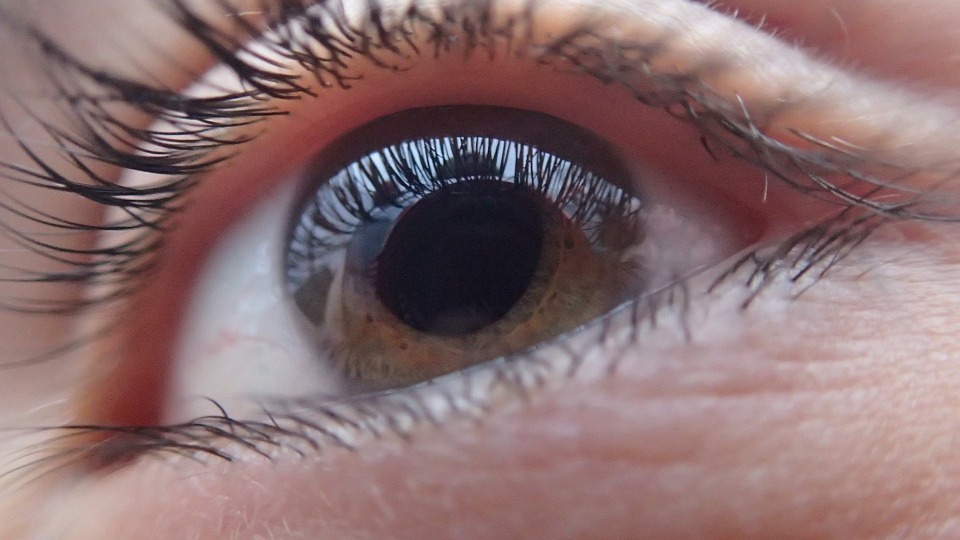
Glaucoma is a serious eye condition characterized by progressive damage to the optic nerve, often associated with elevated pressure inside the eye, known as intraocular pressure (IOP). If left unmanaged, it can lead to irreversible vision loss. Therefore, it is crucial to understand that while no home remedy or concoction can cure or prevent glaucoma, certain nutritional strategies and evidence-informed botanicals may play a supportive role in maintaining eye health and managing risk factors alongside conventional medical care.
This article provides an evidence-based overview of nutrients and herbs that support ocular health, moving away from unsubstantiated recipes to focus on what scientific research suggests. Crucially, this information is for educational purposes and is not a substitute for professional medical advice or prescribed treatments for glaucoma.

Understanding Glaucoma: More Than Just Eye Pressure
One of the most challenging aspects of glaucoma is its insidious nature. In its most common form, open-angle glaucoma, there are often no apparent symptoms like pain or blurred vision in the early stages. Consequently, a person can have the condition for years without being aware of it as their peripheral (side) vision gradually diminishes.
Without timely diagnosis and appropriate treatment, this “tunnel vision” effect can worsen, eventually affecting central vision and leading to blindness. It is important to note that while high IOP is a major risk factor, it does not guarantee a person will develop glaucoma. Conversely, some individuals develop optic nerve damage even with normal pressure levels, a condition known as normal-tension glaucoma.
For this reason, regular, comprehensive eye examinations—including visual field testing, dilated eye exams, and tonometry—are the only reliable way to detect the condition early. Standard medical treatments, such as prescription eye drops, are designed to lower IOP and are essential for slowing the disease’s progression. Vision already lost to glaucoma cannot be restored.
Nutritional Science for Ocular Health
Instead of relying on a single folk remedy, a more effective approach involves incorporating a range of nutrients known to support eye structures and function. Research increasingly points to the importance of antioxidants and specific fatty acids in protecting the delicate tissues of the eye, including the retina and optic nerve.
Key Nutrients for Eye Support
- Lutein and Zeaxanthin: These carotenoids are concentrated in the macula of the retina and act as natural filters for high-energy blue light. Furthermore, they have powerful antioxidant properties. Excellent sources include kale, spinach, collard greens, and broccoli.
- Vitamin C: As a potent antioxidant, Vitamin C helps protect the eye’s cells from oxidative stress. A study published in the American Journal of Clinical Nutrition suggested that diets rich in Vitamin C were associated with a lower risk of certain types of cataracts and could support overall ocular health. Good sources are citrus fruits, bell peppers, berries, and kiwi.
- Omega-3 Fatty Acids (DHA & EPA): These essential fats are crucial components of retinal cell membranes and have neuroprotective properties. They may help protect the optic nerve and improve blood flow to the eye. Walnuts, flaxseeds, chia seeds, and fatty fish like salmon are rich in omega-3s.
- Vitamin E: This fat-soluble antioxidant works with other nutrients to protect eye cells from damage by free radicals. It can be found in almonds, sunflower seeds, and avocados.
Evidence-Based Herbal Support: Ginkgo Biloba
While many herbs are traditionally associated with vision, Ginkgo Biloba has emerged in clinical research as a botanical of interest for glaucoma support, primarily due to its effects on circulation.
The proposed mechanism involves improving microcirculation and blood flow to the optic nerve, which may help protect it from ischemic (low oxygen) damage. A 2022 meta-analysis published in the journal Phytotherapy Research concluded that Ginkgo Biloba extract may be beneficial in slowing the progression of visual field damage, particularly in patients with normal-tension glaucoma. However, it is considered an adjuvant therapy and not a standalone treatment.
Administration Protocol and Safety Limits for Ginkgo Biloba
If considering Ginkgo Biloba after consulting a healthcare provider, it is vital to adhere to strict safety protocols.
| Parameter | Guideline |
| Dosage Form | Use a standardized extract (e.g., EGb 761) containing 24% flavonoid glycosides and 6% terpene lactones. |
| Maximum Daily Dose | 120-240 mg per day for a healthy adult, divided into two or three doses. |
| Administration | Take with meals to reduce potential gastrointestinal upset. |
| Treatment Duration | Typically used for cycles of 3-6 months. |
| Mandatory Break | A break of at least 1 month is recommended between long cycles to assess continued need and tolerance. |
Specific Biological Limitation
Blood-Thinning Effect: Ginkgo Biloba contains ginkgolides, which are known to inhibit platelet-activating factor (PAF). This action reduces the tendency of blood to clot. While this can be beneficial for circulation, it poses a significant risk for individuals with bleeding disorders or those taking anticoagulant or antiplatelet medications, as it can lead to excessive bleeding or hemorrhage.
Contraindications and Precautions
It is absolutely essential to review the following before considering Ginkgo Biloba:
- Absolute Contraindications: Do not use if you have a known bleeding disorder (e.g., hemophilia) or are taking anticoagulant medications like warfarin (Coumadin®), clopidogrel (Plavix®), or high-dose aspirin without explicit medical supervision.
- Upcoming Surgery: Discontinue use at least two weeks before any scheduled surgery or dental procedure to prevent excessive bleeding.
- Vulnerable Populations:
- Pregnancy and Breastfeeding: Contraindicated due to its effects on blood clotting and lack of safety data.
- Children: Not recommended for use in children under 18.
- Adverse Effects: Common side effects are generally mild and may include headache, dizziness, or gastrointestinal upset. Stop use if you experience any signs of bleeding, such as unusual bruising or nosebleeds.
Therapeutic Alternatives
If Ginkgo Biloba is not suitable, other options may support ocular health under medical guidance:
- Bilberry (Vaccinium myrtillus): Traditionally used for eye health, Bilberry is rich in anthocyanosides, antioxidants that may strengthen blood vessels and improve circulation in the small capillaries of the eye. It is often used to support night vision and reduce eye fatigue.
- Coenzyme Q10 (CoQ10): This antioxidant is vital for cellular energy production. Some preliminary research suggests that CoQ10 may help protect the retinal ganglion cells, which are the cells damaged in glaucoma, by supporting their mitochondrial function.
- Dietary Approach: The most reliable alternative is focusing on a nutrient-dense diet rich in the vitamins and antioxidants mentioned earlier. This approach provides broad-spectrum support without the specific risks of potent herbal extracts.
Recent Medical Research (2020-2026)
Modern research continues to explore the link between nutrition, botanicals, and glaucoma. A 2022 systematic review highlighted the potential neuroprotective role of Ginkgo Biloba extract in glaucoma patients. Additionally, ongoing studies are investigating the impact of dietary patterns, such as the Mediterranean diet, on glaucoma risk, emphasizing the importance of whole foods over isolated supplements.
However, the evidence remains preliminary for many interventions, and researchers stress that these approaches should only be considered complementary to standard ophthalmological care.
Specialist’s Summary
A diet rich in antioxidants from fruits, vegetables, and healthy fats is foundational for supporting long-term eye health. For targeted support, Ginkgo Biloba extract shows potential for improving ocular blood flow but carries a significant risk of interacting with blood-thinning medications and is contraindicated before surgery. Validated alternatives like Bilberry or a focus on dietary CoQ10 offer different mechanisms of support. Always prioritize consultation with an ophthalmologist and a qualified healthcare provider before starting any new supplement regimen for a serious condition like glaucoma.
Frequently Asked Questions
1. Can diet or herbs cure glaucoma?
No. There is currently no cure for glaucoma. Dietary and herbal strategies can only support overall eye health and may help manage risk factors or slow progression alongside proven medical treatments. They can never replace prescribed medications or surgery.
2. What is the single best food for preventing glaucoma?
There is no single “magic” food. The most effective strategy is a consistent dietary pattern rich in a variety of colorful fruits and vegetables (especially leafy greens), nuts, seeds, and omega-3 sources. This provides a wide range of protective antioxidants and nutrients.
3. Are eye health supplements safe to take without medical advice?
No. Potent supplements, especially herbal extracts like Ginkgo Biloba, can have powerful biological effects and interact with medications. It is essential to consult a healthcare provider to ensure a supplement is appropriate and safe for your specific health situation.
4. Is Ginkgo Biloba safe during pregnancy or for children?
No. Ginkgo Biloba is contraindicated during pregnancy due to its blood-thinning effects, which could increase bleeding risk. It is also not recommended for children due to a lack of safety research in this population.
Sources and References
- Cybulska-Klosowicz, A., et al. (2022). Can Ginkgo Biloba Extract Help to Slow Down the Progression of Glaucoma? A Systematic Review. Journal of Clinical Medicine.
- Kang, J. H., et al. (2021). Association of dietary nitrate and leafy green vegetables with glaucoma prevalence and progression. JAMA Ophthalmology.
- European Medicines Agency (EMA). (2015). Community herbal monograph on Ginkgo biloba L., folium.
⚠️ Important Medical Information
This article is for educational and informational purposes only and is not intended as medical advice, diagnosis, or treatment. The information provided about nutritional and herbal support for eye health is based on traditional use, preliminary research, and available scientific evidence, which may be limited.
Before using any herb or supplement for eye health:
- Consult a qualified healthcare provider and an ophthalmologist, especially if you are pregnant, breastfeeding, taking medications, or have existing health conditions like glaucoma.
- Do not use as a substitute for prescribed medications or professional medical treatment for glaucoma.
- Individual results may vary – what works for one person may not work for another.
- Monitor for adverse reactions and discontinue use if negative symptoms occur.