Managing Foot Calluses: The Role of Castor Oil and Sea Salt

by Andreea Smiterson
0 comments
A+A-
Reset

A callus is a thickened, hardened area of skin that develops in response to repeated friction, pressure, or irritation. This condition, medically known as hyperkeratosis, commonly occurs on the feet, particularly from wearing ill-fitting shoes, high heels, or footwear without socks. Consequently, the skin may appear dry, yellow, and flaky. While calluses are typically not painful, the affected area often has reduced sensitivity and a bumpy texture. However, in some cases, they can cause discomfort, a burning sensation, or throbbing pain. If not managed properly, calluses can lead to complications such as swelling, ulceration, or skin infections, especially in individuals with underlying health conditions. This article explores several home care strategies for managing mild calluses and outlines essential safety protocols.

Castor Oil and Sea Salt to Treat Calluses

Supportive Home Care Strategies

These home remedies may help soften and reduce the appearance of minor calluses. Nevertheless, it is crucial to perform a patch test before applying any new substance to your skin and to avoid these methods on broken or irritated skin.

Castor Oil Application

Castor oil is a rich emollient that can deeply moisturize and soften the rough, dry skin characteristic of calluses. Its primary component, ricinoleic acid, possesses anti-inflammatory properties that may also help soothe discomfort.

  • First, soak your feet in warm water for 10-15 minutes to soften the skin.
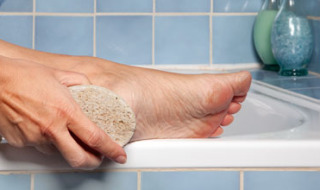
  • Gently exfoliate the area with a pumice stone, removing only the outermost layers of dead skin.
  • Afterward, thoroughly dry your feet.
  • Saturate a cotton ball with pure, cold-pressed castor oil and apply it directly to the callus.
  • Secure the cotton ball with a bandage or medical tape and leave it in place for several hours or overnight.
  • Repeat this process daily until you observe a noticeable improvement in skin texture.

Sea Salt Exfoliation

Sea salt acts as a natural physical exfoliant, effectively helping to slough off dead, hardened skin cells. When combined with a carrier oil, it also provides moisture to the newly exposed skin.

  • Create a paste by mixing equal parts sea salt and a carrier oil, such as olive or coconut oil.
  • After soaking your feet in a warm bath to soften the skin, apply the paste to the callus.
  • Gently massage the area in a circular motion for several minutes. Importantly, do not scrub aggressively, as this can cause irritation.
  • Rinse the area with warm water, pat dry, and apply a moisturizing lotion.
  • You can perform this exfoliation two to three times per week.

Baking Soda Foot Soak

Baking soda (sodium bicarbonate) functions as a gentle exfoliant. Its crystalline structure and mild alkaline properties can help soften the keratin in calluses, making them easier to remove.

  • Fill a basin or tub with warm water.
  • Add three tablespoons of baking soda and stir until it dissolves.
  • Soak your feet in the solution for approximately 10-15 minutes.
  • Following the soak, gently use a pumice stone to scrub the affected area before rinsing and drying your feet.

Apple Cider Vinegar Compress

The acetic acid in apple cider vinegar acts as a mild keratolytic agent, which helps to break down and soften the thick, hardened skin of a callus. For this reason, it is a popular ingredient in home-based foot care.

  • Soak a cotton ball in raw, unfiltered apple cider vinegar.
  • Apply the saturated cotton ball directly to the callus and secure it with a bandage.
  • Leave the compress on overnight.
  • In the morning, remove the bandage and gently exfoliate the softened skin with a clean pumice stone or foot file.
  • Finally, apply a moisturizer like coconut oil or a rich foot cream to hydrate the area.

## Administration Protocol and Safety Limits

Protocol Guideline
Treatment Duration Use these remedies consistently for up to 14 days. If there is no improvement or if irritation occurs, discontinue use and consult a healthcare professional.
Frequency and Dose
  • Soaks: Once daily for 10-15 minutes.
  • Scrubs: 2-3 times per week maximum to prevent over-exfoliation.
  • Topical Applications (Oils/Compresses): Can be applied daily, typically overnight.
Administration Conditions
  • Always apply to clean, dry skin (unless it is a soak).
  • Patch Test: Before full application, test any new ingredient on a small patch of skin to check for allergic reactions.
  • Avoid Broken Skin: Never apply these remedies to cuts, open sores, or infected areas.

## Specific Biological Limitation

⚠️ **WARNING – Risk for Individuals with Diabetes or Poor Circulation!**

The remedies described work by chemically or physically breaking down the thickened keratin layer of the skin. While this is effective for calluses, it can compromise the skin’s natural protective barrier. For individuals with diabetes, peripheral neuropathy, or circulatory disorders, this poses a significant risk. Reduced sensation in the feet means that minor cuts or irritations from exfoliation may go unnoticed, potentially leading to severe infections, ulcerations, and complications. Therefore, individuals with these conditions must avoid self-treating calluses and seek professional care from a podiatrist.

## Contraindications and Precautions

Absolute Contraindications

  • Open Wounds: Do not apply any of these treatments to broken skin, cuts, or sores.
  • Active Infections: Avoid use on areas with signs of a bacterial or fungal infection (e.g., redness, pus, foul odor).
  • Skin Conditions: Individuals with eczema, psoriasis, or dermatitis on their feet should consult a doctor before trying these remedies.

Vulnerable Populations

  • Diabetes Mellitus: Strictly contraindicated due to high risk of non-healing wounds and infection.
  • Peripheral Artery Disease (PAD): Poor circulation impairs healing, making any skin breach dangerous.
  • Neuropathy: Lack of sensation increases the risk of accidental injury during exfoliation.

Documented Adverse Effects

  • Common: Mild skin irritation, redness, or dryness from acidic or abrasive ingredients.
  • Rare: Allergic contact dermatitis, chemical burns (from prolonged vinegar use), or secondary infections from over-exfoliation.

When to Stop Immediately

Discontinue use and consult a healthcare provider if you experience increased pain, swelling, redness, warmth, or any discharge from the callus area, as these are signs of infection.

## Therapeutic Alternatives

If home remedies are unsuitable or ineffective, consider these validated alternatives.

Botanical and Over-the-Counter Options

  1. Salicylic Acid: Derived originally from willow bark, salicylic acid is a highly effective keratolytic agent. It is the primary ingredient in most over-the-counter callus removers (gels, pads, and liquids). It works by dissolving the protein (keratin) that makes up the callus.
  2. Urea Cream: Creams with a high concentration of urea (20-40%) are excellent for both moisturizing and breaking down thick, callused skin. Urea is a humectant that draws moisture into the skin while also having keratolytic properties.

Professional Medical Options

  • Podiatric Debridement: A podiatrist can safely pare down or shave the callus using sterile medical instruments. This provides immediate relief and is the safest option for high-risk individuals.

Note: Each alternative has its own specific usage guidelines and contraindications.

## Recent Medical Research (2020-2026)

While large-scale clinical trials on folk remedies like castor oil for calluses are scarce, research into their active components supports their mechanisms of action.

  • A 2022 review on skin hydration highlighted the role of occlusive and emollient agents, like the fatty acids found in castor oil, in improving skin barrier function and retaining moisture, which is fundamental to softening hyperkeratotic tissue.
  • Research continues to validate the efficacy of standard keratolytic agents. A 2021 study confirmed that preparations containing high-concentration urea are highly effective and well-tolerated for treating severe hyperkeratosis of the feet.

Current Limitations: There is a lack of direct, high-quality clinical evidence comparing traditional remedies like castor oil or vinegar directly against pharmacological standards like salicylic acid for callus management. Their use is primarily based on traditional knowledge and an understanding of their basic chemical properties.

## Specialist’s Summary

Topical applications of castor oil, sea salt scrubs, and vinegar compresses may help manage mild, non-painful calluses in healthy individuals by moisturizing and exfoliating the skin. These methods are strictly contraindicated for people with diabetes, poor circulation, or neuropathy due to a high risk of serious complications. For persistent or painful calluses, clinically validated alternatives such as salicylic acid, urea cream, or professional debridement by a podiatrist are the recommended and safer course of action.

## Frequently Asked Questions

How long does it take for castor oil to soften calluses?
With daily overnight application, you may notice initial softening within a week. However, significant reduction of a thick callus can take several weeks of consistent use combined with gentle exfoliation.

Is it safe to use a pumice stone on calluses every day?
No, daily use of a pumice stone is not recommended. Over-exfoliation can cause irritation, micro-tears in the skin, and inflammation. It is safer to use a pumice stone gently 2-3 times per week after soaking the feet.

When should I see a doctor for a callus?
You should consult a doctor or podiatrist if a callus is very painful, shows signs of infection (redness, swelling, pus), bleeds, or if you have diabetes, poor circulation, or numbness in your feet.

## Sources and References

Recent Studies (2020-2026):

  1. Harwood, A., & Nassereddin, A. (2022). Keratolytics. In StatPearls. StatPearls Publishing.
  2. Loden, M. (2021). The role of urea in the treatment of dry and hyperkeratotic skin. Journal of the European Academy of Dermatology and Venereology.
  3. Proksch, E., et al. (2022). Skin hydration and barrier function. Skin Pharmacology and Physiology.

Official Monographs:


You may also like

Leave a Comment