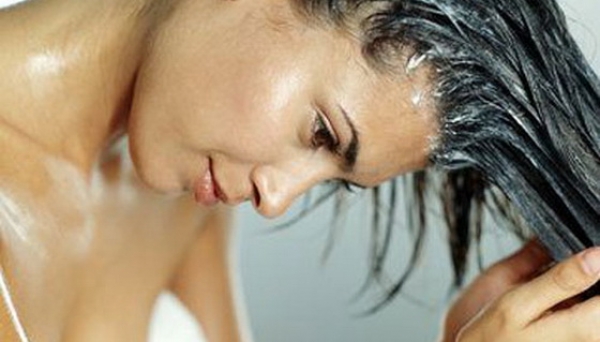
Castor and Coconut Oil Hair Mask: A Natural Recipe for Stronger Hair

by Andreea Smiterson
1 comment
A+A-
Reset

Many people seek natural solutions for dry, damaged, or frizzy hair, often turning to traditional remedies that have been used for centuries. Among the most popular are coconut oil and castor oil, both prized in various cultures for their conditioning properties. While commercial hair products offer convenience, a homemade mask allows for control over ingredients, avoiding potential irritants and preservatives.

This article provides an evidence-based guide to creating and safely using a castor and coconut oil hair mask. Furthermore, it explains the scientific basis for their benefits, outlines clear safety protocols, and discusses limitations and alternatives, adhering to phytotherapeutic best practices.

diy hair mask

The Science Behind Coconut and Castor Oil for Hair Health

The effectiveness of a hair mask lies in its ability to penetrate the hair cuticle and nourish the hair shaft from within, rather than simply coating the surface like many conditioners. Both coconut and castor oils have unique chemical compositions that make them suitable for this purpose.

Coconut Oil (Cocos nucifera)

Coconut oil is predominantly composed of medium-chain fatty acids, with lauric acid making up approximately 50% of its content. Due to its low molecular weight and straight linear chain, lauric acid has a high affinity for hair proteins and can penetrate inside the hair shaft. Consequently, this helps reduce the protein loss that occurs during washing and styling.

According to a study published in the Journal of Cosmetic Science, coconut oil was found to be the only oil among those tested (including mineral and sunflower oil) that significantly reduced protein loss for both undamaged and damaged hair when used as a pre-wash and post-wash grooming product.

Castor Oil (Ricinus communis)

Castor oil is unique due to its high concentration (around 90%) of ricinoleic acid, a monounsaturated omega-9 fatty acid. This component gives the oil its thick, viscous texture and powerful humectant properties, meaning it helps draw moisture from the air into the hair and scalp. Additionally, ricinoleic acid has demonstrated anti-inflammatory and antimicrobial properties in laboratory studies, which may contribute to a healthier scalp environment. However, claims that it directly stimulates hair growth are largely anecdotal and lack robust clinical support.

How to Prepare and Apply the Hair Mask

Preparing this mask requires care, especially when heating the oils. A gentle approach ensures the preservation of their beneficial properties and prevents safety hazards.

Recipe and Application Protocol
Ingredients
  • 1 part organic, cold-pressed, virgin coconut oil
  • 1 part organic, cold-pressed, hexane-free castor oil

(e.g., 2 tablespoons of each for medium-length hair. Adjust based on hair length and thickness.)

Preparation
  1. Combine the oils in a small, heat-proof glass bowl.
  2. Create a double boiler (bain-marie) by placing the glass bowl over a saucepan with a few inches of simmering water. Do not let the bottom of the bowl touch the water.
  3. Gently warm the oils until the coconut oil is fully melted and the mixture is lukewarm. Never microwave oils, as this can create dangerous hot spots and degrade their quality.
Application
  1. Section your dry or slightly damp hair.
  2. Using your fingertips, massage the warm oil mixture into your scalp first.
  3. Work the remaining oil down the length of your hair, paying special attention to the ends.
  4. Cover your hair with a shower cap or warm towel to trap heat, which helps the oils penetrate more effectively.

Administration Protocol and Safety Limits

For any phytotherapeutic treatment, establishing a clear protocol is essential for safety and effectiveness.

Treatment Duration and Frequency

  • Application Frequency: Use this mask once per week. Overuse can lead to product buildup and weigh down the hair.
  • Treatment Cycle: Apply weekly for 6-8 weeks to assess benefits.
  • Mandatory Break: After a full cycle, take a 2-4 week break to prevent scalp and hair follicle saturation.
  • Maximum Duration on Hair: Leave the mask on for 30 minutes to 2 hours. Leaving it on overnight is not recommended as it can clog pores and lead to scalp issues for some individuals.

Washing and Removal

These oils are heavy and require proper removal. First, apply shampoo to your dry, oil-treated hair and lather as much as possible *before* adding water. Then, rinse and follow with a second shampoo if necessary. This technique helps the shampoo bind to the oil for a more effective cleanse.

Specific Biological Limitation

Comedogenic Properties and Hair Type Suitability: Coconut oil is highly comedogenic (pore-clogging), with a rating of 4 out of 5. For individuals with oily or acne-prone skin, applying it to the scalp can potentially lead to clogged follicles, scalp acne, or inflammation. Therefore, people with these conditions should perform a patch test on a small area of their hairline first.

Furthermore, the high viscosity of castor oil combined with coconut oil can be too heavy for those with very fine or low-porosity hair, potentially weighing it down and making it appear greasy even after washing.

Contraindications and Precautions

Always perform a patch test before full application. Apply a small amount of the oil mixture to your inner arm or behind your ear and wait 24 hours to check for any signs of irritation, redness, or allergic reaction.

Absolute Contraindications

  • Known Allergies: Do not use if you have a known allergy to coconuts or castor beans.
  • Seborrheic Dermatitis: The oils may worsen this condition in some individuals by feeding the Malassezia yeast associated with it.
  • Infected or Broken Scalp Skin: Avoid applying oils to open wounds, sores, or active scalp infections.

Vulnerable Populations

  • Pregnancy and Breastfeeding: Topical use is generally considered safe, but it is always best to consult a healthcare provider before introducing new products.
  • Children: Use with caution on children, as their skin is more sensitive. A shorter application time (15-20 minutes) is recommended.

Therapeutic Alternatives

If this combination is not suitable for your hair type or you experience sensitivity, consider these validated botanical alternatives:

  1. Argan Oil (Argania spinosa): Rich in vitamin E, oleic acid, and linoleic acid, argan oil is a lighter, less comedogenic option. It is excellent for reducing frizz and adding shine without being excessively heavy.
  2. Jojoba Oil (Simmondsia chinensis): The molecular structure of jojoba oil is remarkably similar to human sebum. This makes it an excellent choice for balancing oil production on the scalp, providing moisture without clogging pores.
  3. Rosemary Essential Oil (Rosmarinus officinalis): For those concerned with scalp health, adding a few drops of rosemary essential oil to a lighter carrier oil (like jojoba or almond oil) may be beneficial. A 2015 study suggested its efficacy was comparable to minoxidil 2% for promoting hair growth, likely by improving scalp circulation.

Recent Medical Research (2020-2026)

Recent research continues to explore the dermatological applications of natural oils. While large-scale clinical trials on hair health are limited, existing evidence supports their mechanisms of action.

  • A 2021 review in the International Journal of Trichology reaffirmed the ability of coconut oil to penetrate the hair shaft and prevent protein loss, highlighting its utility in managing hair damage.
  • Research into the scalp microbiome is a growing field. Studies are beginning to investigate how different fatty acids, like those in castor and coconut oil, influence the balance of microorganisms on the scalp, which is crucial for overall hair health.

Current Limitations: There is a significant lack of large, double-blind, placebo-controlled trials specifically testing this oil combination for hair health. Most evidence remains based on chemical property analysis, in-vitro studies, and traditional use rather than extensive clinical data on hair growth or repair.

Specialist’s Summary

A hair mask of coconut and castor oil is a useful traditional remedy for conditioning dry and brittle hair, primarily due to the penetrating properties of lauric acid and the humectant effects of ricinoleic acid. It is best suited for individuals with thick, dry, or damaged hair and is contraindicated for those with known allergies or certain scalp conditions like seborrheic dermatitis. For finer hair or oily scalps, lighter alternatives like argan or jojoba oil are more appropriate.

Frequently Asked Questions

1. Can a castor and coconut oil mask make my hair grow faster?

There is no strong clinical evidence that this mask directly increases the rate of hair growth. Its primary benefits are moisturizing the hair shaft, reducing breakage, and improving scalp health. By preventing breakage, it can help hair retain length, which may be perceived as faster growth.

2. Is this hair mask suitable for oily or fine hair?

It may be too heavy. Coconut oil can clog pores on an oily scalp, and the combined weight of the oils can make fine hair appear flat and greasy. Lighter oils like jojoba or grapeseed oil are often better alternatives for these hair types.

3. How often should I use this hair mask?

For most people with dry or normal hair, once a week is sufficient. Overusing the mask can lead to product buildup and weigh down your hair.

4. Is this mask safe to use during pregnancy?

Topical application of coconut and castor oil is generally considered safe during pregnancy. However, it is always recommended to consult with your healthcare provider before using any new herbal or natural products during this time.

Sources and References

  • Rele, A. S., & Mohile, R. B. (2003). Effect of mineral oil, sunflower oil, and coconut oil on prevention of hair damage. Journal of cosmetic science, 54(2), 175–192.
  • Gavazzoni Dias, M. F. (2015). Hair Cosmetics: An Overview. International Journal of Trichology, 7(1), 2–15.
  • Panahi, Y., Taghizadeh, M., Marzony, E. T., & Sahebkar, A. (2015). Rosemary oil vs minoxidil 2% for the treatment of androgenetic alopecia: a randomized comparative trial. Skinmed, 13(1), 15–21.

⚠️ Important Medical Information

This article is for educational and informational purposes only and is not intended as medical advice, diagnosis, or treatment. The information provided about Castor Oil and Coconut Oil is based on traditional use, preliminary research, and available scientific evidence, which may be limited.

Before using this hair mask:

  • Consult a qualified healthcare provider or dermatologist, especially if you have existing scalp conditions, sensitive skin, or are pregnant or breastfeeding.
  • Do not use as a substitute for prescribed medications or professional medical treatment for hair loss or scalp disorders.
  • Individual results may vary – what works for one person may not work for another.
  • Always perform a patch test and discontinue use immediately if negative symptoms like itching, redness, or irritation occur.


You may also like

1 comment

Joyce Hudson Bell
Joyce Hudson Bell September 18, 2016 - 05:13

Heat for 30 minutes ? How long in the microwave ?

Reply

Leave a Comment