This article is for educational purposes only and does not constitute medical advice. The use of cannabis for medical purposes is a complex topic with significant legal and health considerations. Always consult with a qualified healthcare professional, such as an oncologist, before considering any complementary or alternative therapies.
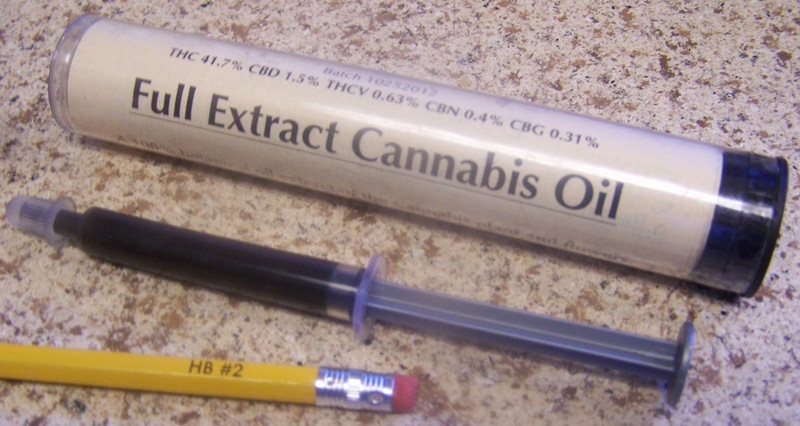
For decades, *Cannabis sativa* was primarily known for its psychoactive properties. However, recent scientific inquiry has focused on its potential therapeutic applications, particularly in the context of oncology. The plant contains compounds called cannabinoids, with delta-9-tetrahydrocannabinol (THC) and cannabidiol (CBD) being the most studied. While preclinical research has explored the effects of these compounds on cancer cells in laboratory settings, it is crucial to distinguish this from proven treatments for cancer in humans.

The human body has its own endocannabinoid system (ECS), which plays a role in regulating various physiological processes, including mood, appetite, pain sensation, and cell growth. Plant-based cannabinoids can interact with this system. Nevertheless, claims that cannabis oil can “treat” or “cure” cancer are not supported by current clinical evidence. Instead, its primary role in modern oncology is focused on palliative care and managing the side effects of conventional cancer treatments.
The Dangers of Homemade Cannabis Oil Production
Online recipes, often referred to as “Rick Simpson Oil” (RSO), instruct individuals to produce concentrated cannabis oil at home using volatile solvents like naphtha, butane, or high-proof alcohol. This practice is extremely dangerous and strongly discouraged for several critical reasons:
- Fire and Explosion Hazard: The solvents used are highly flammable. Heating them, as the process requires, creates explosive fumes that can be ignited by a spark from an appliance or static electricity, leading to severe burns or property damage.
- Toxic Contamination: Industrial solvents like naphtha and butane are not intended for human consumption and may contain toxic impurities. Furthermore, if the solvent is not fully purged from the final product, the residual chemicals can be carcinogenic and harmful to the liver and nervous system.
- Lack of Quality Control: Homemade preparations have no standardized dosage. The concentration of THC, CBD, and other compounds is unknown, making consistent and safe dosing impossible. The final product may also be contaminated with pesticides, heavy metals, or mold from the source plant material.
For these reasons, attempting to manufacture cannabis oil at home is a significant health and safety risk. Medically supervised products are produced in controlled laboratory environments to ensure purity, potency, and safety.
Cannabinoids in Cancer Symptom Management
While not a cure, cannabis-derived products have shown utility in supportive cancer care. According to research published in journals like the *Journal of Clinical Oncology*, cannabinoids may help manage debilitating symptoms associated with cancer and its treatment.
Key Supportive Uses:
- Chemotherapy-Induced Nausea and Vomiting (CINV): Synthetic cannabinoids like dronabinol and nabilone are approved by regulatory bodies in some countries for treating CINV that does not respond to standard antiemetic therapies.
- Pain Management: Cannabis may help alleviate chronic and neuropathic pain, potentially reducing the need for high doses of opioids. A meta-analysis in the *Journal of Pain and Symptom Management* suggests a modest benefit for cancer-related pain.
- Appetite Stimulation: THC is well-known for its appetite-stimulating effects, which can help combat cachexia (wasting syndrome) often seen in advanced cancer patients.
- Anxiety and Sleep: CBD, in particular, is being investigated for its anxiolytic (anti-anxiety) and sleep-promoting properties, which can improve the quality of life for patients.
Administration Protocol and Safety Limits
There is no universally standardized dosage for medical cannabis, as it depends on the individual, the condition, the product’s cannabinoid profile, and the delivery method. However, a guiding principle of “start low and go slow” is universally recommended.
General Safety Guidelines:
- Treatment Duration: Use should be guided by a healthcare professional and regularly reviewed. It is not intended for indefinite, unsupervised use. Continuous use should be periodically evaluated by a physician.
- Maximum Dose: There is no single maximum dose. Dosing is highly individualized. Exceeding a comfortable dose can lead to significant adverse effects such as paranoia, anxiety, dizziness, and cognitive impairment.
- Administration Method: Oral oils and tinctures offer more controlled and longer-lasting effects than inhalation. Start with a very low dose (e.g., 2.5 mg of THC) and wait several hours to assess the effects before considering an increase.
Specific Biological Limitation
Cannabinoids exhibit a biphasic dose-response curve. This means that low and high doses can produce opposite effects. For instance, a low dose of THC may relieve anxiety, while a high dose can induce paranoia and panic. Similarly, the complex interaction with the endocannabinoid system means that effects can be unpredictable, especially in individuals with compromised immune systems or those undergoing complex chemotherapy regimens. The impact on tumor growth in humans remains unclear, with some preclinical studies suggesting conflicting outcomes depending on the cancer type and cannabinoid ratios.
Contraindications and Precautions
Absolute Contraindications:
- History of Psychosis: Individuals with a personal or strong family history of schizophrenia or psychosis should avoid THC, as it can trigger or worsen these conditions.
- Severe Cardiovascular Disease: THC can cause tachycardia (increased heart rate) and fluctuations in blood pressure, posing a risk to patients with unstable angina, severe heart failure, or recent myocardial infarction.
- Allergy: A known allergy to cannabis or its components.
Vulnerable Populations:
- Pregnancy and Breastfeeding: Cannabis use is strictly contraindicated. THC crosses the placenta and is present in breast milk, potentially affecting fetal and infant brain development.
- Children and Adolescents: Use is generally avoided due to potential long-term effects on the developing brain, unless prescribed for specific, severe conditions like treatment-resistant epilepsy under specialist care.
Major Drug Interactions:
- Sedatives: Combining cannabis with other central nervous system depressants (e.g., benzodiazepines, opioids, alcohol) can lead to excessive drowsiness and respiratory depression.
- Blood Thinners: High doses of cannabinoids may affect metabolism of drugs like warfarin, potentially increasing bleeding risk.
- Chemotherapy Agents: Cannabinoids are metabolized by CYP450 enzymes in the liver. They can interfere with the metabolism of certain chemotherapy drugs, potentially altering their efficacy or increasing their toxicity. Therefore, consulting with an oncologist is mandatory.
Therapeutic Alternatives for Symptom Management
If cannabis is not suitable or available, other evidence-based phytotherapeutic options can help manage cancer treatment side effects:
| Symptom | Botanical Alternative | Mechanism and Use |
|---|---|---|
| Nausea & Vomiting | Ginger (Zingiber officinale) | Contains gingerols and shogaols that act on serotonin receptors in the gut. Clinical studies support its use as an adjuvant to standard antiemetics for CINV. |
| Anxiety & Insomnia | Valerian Root (Valeriana officinalis) | Modulates GABA receptors in the brain, promoting relaxation and sleep. It is a well-researched option for mild to moderate insomnia. |
| Inflammation & Pain | Turmeric (Curcuma longa) | Its active compound, curcumin, has potent anti-inflammatory properties. Research suggests it may help manage inflammatory pain, but its interactions with chemotherapy must be discussed with an oncologist. |
Recent Medical Research (2020-2026)
Recent research continues to explore the role of cannabinoids in oncology, with a strong focus on symptom control and quality of life.
- A 2022 systematic review published in *Cancers* concluded that while preclinical data on anti-tumor effects are promising, robust clinical evidence in humans is lacking. The review reinforced the established benefits for palliative care.
- Ongoing clinical trials are investigating the potential for cannabinoids to enhance the efficacy of certain cancer treatments like immunotherapy, but results are still preliminary.
Current Limitations: The primary gap remains the translation of laboratory findings into effective human cancer treatments. The variability in cannabis products and the legal restrictions in many regions continue to pose significant barriers to large-scale clinical research.
Specialist’s Summary
Cannabis and its derivatives are not a cure for cancer. However, they are a valuable tool in supportive oncology care for managing symptoms like nausea, pain, and appetite loss, with moderate to strong evidence for these uses. Its use is contraindicated in individuals with a history of psychosis or severe cardiovascular disease and requires extreme caution when combined with other medications, especially chemotherapy. Safe, evidence-based alternatives like ginger for nausea and valerian for anxiety are available for patients for whom cannabis is not appropriate.
Frequently Asked Questions
1. Can cannabis oil cure cancer?
No. There is no conclusive scientific evidence from human clinical trials to support the claim that cannabis oil can cure cancer. Its recognized medical use in oncology is for managing symptoms and treatment side effects.
2. Is it safe to use cannabis oil during chemotherapy?
This must be discussed with your oncologist. Cannabinoids can interact with chemotherapy drugs by affecting how they are metabolized in the liver. This could potentially reduce the effectiveness of the treatment or increase its toxicity. Unsupervised use is not recommended.
3. What is the difference between THC and CBD oil for cancer support?
THC is the primary psychoactive component and is mainly responsible for appetite stimulation and potent anti-nausea effects. CBD is non-psychoactive and is studied more for its potential anti-inflammatory, anti-anxiety, and analgesic properties. Often, products containing a combination of both are used.
4. Is cannabis oil safe for children with cancer?
Cannabis use in children is highly restricted and should only be considered under the guidance of a pediatric oncology specialist in very specific circumstances. The potential long-term effects on brain development are a significant concern.
Sources and References
- National Cancer Institute (NCI). (2024). Cannabis and Cannabinoids (PDQ®)–Health Professional Version.
- Abrams, D. I. (2022). The Therapeutic Effects of Cannabis and Cannabinoids: An Update from the National Academies of Sciences, Engineering, and Medicine Report. *European Journal of Internal Medicine*.
- Whiting, P. F., et al. (2015). Cannabinoids for Medical Use: A Systematic Review and Meta-analysis. *JAMA*.
- Sgl, C., et al. (2022). Cannabinoids in the Landscape of Cancer. *Cancers*.
⚠️ Important Medical Information
This article is for educational and informational purposes only and is not intended as medical advice, diagnosis, or treatment. The information provided about Cannabis is based on traditional use, preliminary research, and available scientific evidence, which may be limited.
Before using Cannabis:
- Consult a qualified healthcare provider, especially if you are pregnant, breastfeeding, taking medications, or have existing health conditions like cancer.
- Do not use as a substitute for prescribed medications or professional medical treatment recommended by your oncologist.
- Individual results may vary – what works for one person may not work for another.
- Monitor for adverse reactions and discontinue use if negative symptoms occur.