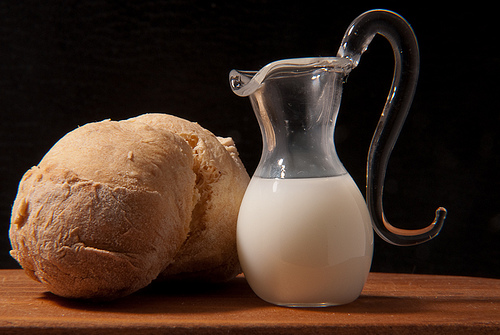
Poultices represent one of the oldest forms of topical treatment in traditional medicine worldwide. While historically prepared from common household ingredients like bread and milk due to their availability, modern medical understanding highlights the significant risks associated with applying non-sterile food products to the skin, especially if it is broken or inflamed. This practice, lacking therapeutic compounds, can introduce bacteria and significantly worsen infections. This guide will re-evaluate the concept of poultices, replacing outdated and unsafe practices with evidence-based botanical alternatives that offer targeted therapeutic benefits under strict safety protocols.
⚠️ WARNING – High Risk of Infection!
Applying non-sterile food items such as bread, milk, or raw vegetables to open wounds, cuts, boils, or abscesses is strongly discouraged. These substances can introduce harmful bacteria (e.g., Staphylococcus, Streptococcus) directly into compromised tissue, leading to severe cellulitis, abscess formation, or systemic infection (sepsis). Always use sterile materials and medicinally validated substances for any form of wound care.
The Principle of a Poultice and Why Modern Alternatives Are Superior
A poultice, or cataplasm, is a soft, moist mass of material, typically involving plant matter or clay, that is applied topically to the body. Its therapeutic action is based on several mechanisms:
-
- Moisture and Heat: Warm poultices can increase blood flow to an area, which may help to ease pain from muscular tension and can encourage a superficial boil or abscess to mature and drain.
- Drawing Action (Osmosis): Certain materials can help draw fluid and debris (like pus or small splinters) from under the skin to the surface.
- Delivery of Active Compounds: When made with medicinal plants, a poultice serves as a vehicle to deliver anti-inflammatory, analgesic, or antimicrobial compounds directly to the affected site.
The original bread and milk remedy lacks any active medicinal compounds and poses a high contamination risk. Validated botanical alternatives provide the benefits of a poultice while adding specific, evidence-supported therapeutic actions.

Administration Protocol and Safety Limits for Botanical Poultices
The following protocols apply to the use of validated herbal poultices on unbroken skin or for very minor superficial issues like splinters. They are not intended for deep wounds, punctures, or infected skin.
Treatment Duration
-
- Application time: A warm poultice should be changed every 2-4 hours, or as soon as it cools. Do not leave a moist poultice on for more than 12 hours without thorough cleaning of the area.
- Mandatory break: Use only for acute, minor conditions. Discontinue use if the condition does not improve within 24-48 hours and consult a healthcare provider.
- Maximum duration: Do not use poultices continuously for more than 3 days without medical evaluation.
Quantity and Preparation
-
- Quantity: Use enough fresh or dried plant material (rehydrated with hot water to form a paste) to create a layer approximately 1/4 to 1/2 inch (0.5-1 cm) thick over the affected area.
- Preparation: Always use a clean cloth (e.g., muslin, cheesecloth, or sterile gauze) as a barrier between the plant material and the skin to prevent direct contact and simplify removal.
- Overdose risk: While topical overdose is rare, systemic absorption can occur, especially with certain plants (like Comfrey) if applied to broken skin. Adhere strictly to contraindications.
Administration Condition
-
- Temperature: Apply warm, not hot, to avoid burns. Test the temperature on your wrist before application.
- Skin Condition: The skin must be clean and free of any commercial creams or lotions. Never apply to deep, bleeding, or visibly infected wounds.
- Incompatibilities: Do not cover a poultice with occlusive plastic wrap unless instructed, as this can trap moisture and promote bacterial growth. A light bandage to hold it in place is sufficient.
Specific Biological Limitation
Comfrey (Symphytum officinale) and Pyrrolizidine Alkaloids (PAs)
Mechanism: Comfrey contains allantoin, which promotes cell proliferation and wound healing, and rosmarinic acid, an anti-inflammatory. However, it also contains pyrrolizidine alkaloids (PAs). When absorbed systemically, PAs are hepatotoxic (toxic to the liver) and potentially carcinogenic. While topical absorption through intact skin is minimal, absorption through broken skin (cuts, abrasions, ulcers) is significant and dangerous.
Technical Warning: Due to the risk of PA toxicity, Comfrey preparations should never be applied to broken skin. Many regulatory bodies, including Germany’s Commission E, recommend using it for no more than 4-6 weeks per year, even on intact skin, as a precautionary measure.
Contraindications and Precautions for Poultices
Absolute Contraindications (FORBIDDEN)
-
- Deep or Puncture Wounds: These require professional medical cleaning and assessment for tetanus risk.
- Animal or Human Bites: High risk of severe, deep-tissue infection.
- Signs of Established Infection: Do not apply to areas with red streaks tracking away from the site, significant pus, fever, or foul odor.
- Diabetic Ulcers or Neuropathy: Impaired circulation and sensation create a high risk of non-healing wounds and severe infections.
- On or Near the Eyes: The eye area is extremely sensitive and prone to infection.
Vulnerable Populations
-
- Pregnancy and Breastfeeding: Avoid most herbal poultices due to the potential for systemic absorption of active compounds. Consult a specialist.
- Children: Use with extreme caution and under professional guidance. Their skin is more permeable.
- Elderly: Thinner, more fragile skin increases the risk of irritation and tearing.
When to Stop Immediately
Discontinue use and seek medical advice if you experience increased pain, redness, swelling, skin rash, blistering, or any signs of an allergic reaction.
Therapeutic Alternatives
If a traditional poultice is unsuitable or unavailable, consider these validated options.
Botanical Alternatives with Studies
-
- Calendula (Calendula officinalis) Salve: An excellent anti-inflammatory and vulnerary (wound-healing) agent for minor cuts, scrapes, and skin irritations after the area has been properly disinfected.
- Arnica (Arnica montana) Gel or Cream: Highly effective for bruises, sprains, and closed-tissue swelling. Crucially, it must only be used on unbroken skin.
- Tea Tree (Melaleuca alternifolia) Oil: A potent natural antiseptic. Must be diluted (e.g., 1-2 drops in a teaspoon of carrier oil) and can be applied to minor fungal infections or acne spots.
Pharmacological Options
-
- Povidone-iodine or Chlorhexidine: Standard topical antiseptics for cleaning wounds.
- Hydrocolloid Dressings: Modern bandages that create a moist, sterile healing environment for clean wounds.
- Topical Antibiotics (e.g., mupirocin): Prescription-only options for treating confirmed bacterial skin infections.
Home Preparation: Safe Botanical Poultices
1. Plantain (Plantago major) Poultice for Splinters and Insect Bites
Plantain is traditionally used for its “drawing” properties and ability to soothe irritation.
-
- Ingredients: A handful of fresh, clean plantain leaves.
- Method:
- Wash the leaves thoroughly.
- Crush or chew the leaves to create a moist pulp (the “spit poultice” is a traditional field method, but crushing with clean implements is more hygienic).
- Apply the pulp directly over the splinter or bite.
- Cover with a clean bandage and leave for 2-4 hours.
2. Flaxseed (Linum usitatissimum) Poultice for Bruises and Muscle Aches
Flaxseed (linseed) creates a gel-like mass that holds heat effectively, providing soothing relief.
-
- Ingredients: 1/2 cup ground flaxseed, 1-2 cups hot water.
- Method:
- Place ground flaxseed in a bowl.
- Slowly add hot water while stirring until a thick, spreadable paste forms.
- Spread the paste onto a clean piece of cloth.
- Fold the cloth to enclose the paste, test the temperature, and apply to the affected area for 15-20 minutes.
Quick Guide: Poultice Safety
| Category | Details |
|---|---|
| ❌ Who should AVOID | • Individuals with deep wounds, animal bites, or diabetic ulcers. • Anyone with a known allergy to the plant being used. • Application on broken skin (especially for herbs like Comfrey or Arnica). • Pregnant or breastfeeding women without medical consultation. |
| 📊 Application Protocol | • Duration: Change every 2-4 hours. • Maximum Use: Discontinue if no improvement in 48 hours. • Barrier: Always use a clean cloth between the poultice and skin. |
| 🚨 ALARM signs | • Increased pain, swelling, or redness. • Development of a rash, blisters, or itching. • Fever, chills, or red streaks extending from the area. |
| ⏱️ When to consult a doctor | IMMEDIATELY if alarm signs appear OR If the wound is deep, dirty, or caused by an animal bite. |
💡 Golden rule: For any skin issue beyond a minor scrape or splinter, professional medical evaluation is the safest course of action.
Specialist’s Summary
While the principle of using a poultice for topical relief is valid, traditional recipes like bread and milk are obsolete and dangerous due to high infection risks. Modern phytotherapy utilizes specific plants like Plantain for drawing out splinters or Flaxseed for soothing muscular pain, applied within strict hygiene and safety protocols. Poultices are strictly contraindicated for deep, infected, or bite wounds. For most minor skin injuries, validated alternatives like Calendula salve or standard pharmacological antiseptics are safer and more effective.
Frequently Asked Questions
Are bread and milk poultices safe to use?
No. Applying non-sterile food products to skin, especially if broken, poses a significant risk of causing or worsening bacterial infections. This practice is not supported by modern medical standards.
What is a safe natural poultice for drawing out a splinter?
A poultice made from fresh, crushed Plantain (Plantago major) leaves is a traditionally validated and generally safe option for helping to draw out minor, superficial splinters. The area should be cleaned thoroughly before and after application.
When should you never use a poultice?
You should never use a poultice on deep wounds, puncture wounds, animal bites, diabetic ulcers, or any wound showing clear signs of infection (pus, red streaks, fever). In these cases, immediate medical attention is required.
Can a poultice make an infection worse?
Yes. An improperly prepared (non-sterile) poultice can introduce bacteria into a wound. Furthermore, leaving a moist dressing on an already infected area for too long can create an ideal environment for bacteria to multiply, worsening the infection.
Sources and References
-
- ESCOP (2003). Symphyti radix (Comfrey Root). ESCOP Monographs, 2nd ed. Exeter, UK: European Scientific Cooperative on Phytotherapy.
- EMA (2018). European Union herbal monograph on Plantago lanceolata L., folium. EMA/HMPC/695933/2015.
- Barna, M., et al. (2012). Wound healing effects of a Symphytum officinale root extract cream. Arzneimittelforschung, 57(10), 694-700.