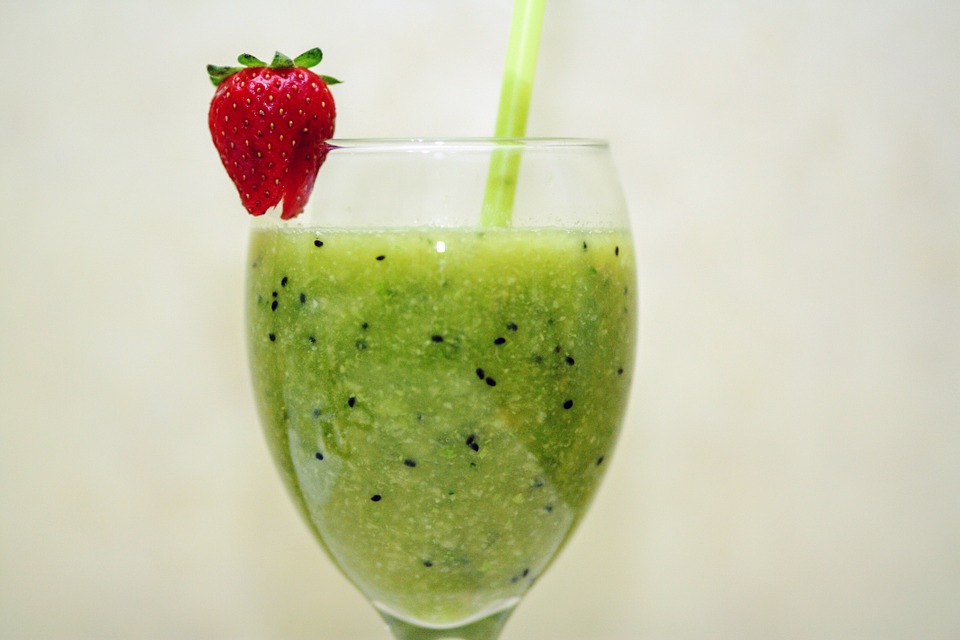
A Phytotherapist’s Guide to Anti-Inflammatory Smoothie Ingredients
Integrating nutrient-dense smoothies into your daily routine can be an excellent way to support your body’s overall wellness. Specifically, certain whole fruits and vegetables contain phytonutrients that may help manage the body’s inflammatory response. It is crucial to understand, however, that while a well-formulated diet can be a powerful tool for health, it is not a substitute for professional medical treatment, particularly for serious conditions like cancer. This guide provides an evidence-based look at beneficial smoothie ingredients, focusing on their mechanisms and safe use.

Key Ingredients for an Anti-Inflammatory Smoothie
The following ingredients have been selected based on scientific research into their anti-inflammatory and antioxidant properties.
1. Blueberries (Vaccinium corymbosum)
Mechanism of Action: Blueberries are rich in a class of flavonoids called anthocyanins, which are responsible for their deep blue-purple color. Research published in journals like Advances in Nutrition suggests that anthocyanins can modulate inflammatory pathways in the body. Specifically, they may help reduce the production of pro-inflammatory cytokines and lower levels of C-reactive protein (CRP), a key marker of systemic inflammation.
Traditional Use: Historically, various species of blueberries and related berries were used by indigenous peoples in North America and Europe as a food source and for their medicinal properties, often to support vision and general vitality.
In Your Smoothie: Use one cup (approx. 150g) of fresh or frozen blueberries. Frozen berries provide a thicker, colder smoothie without diluting the nutrients with ice.
2. Flaxseed (Linum usitatissimum)
Mechanism of Action: Flaxseeds are a premier plant-based source of alpha-linolenic acid (ALA), an essential omega-3 fatty acid. The body can convert ALA into other anti-inflammatory compounds. Furthermore, flaxseeds are the richest dietary source of lignans, phytoestrogens that possess significant antioxidant properties. A 2022 meta-analysis in the Journal of the American Nutrition Association concluded that flaxseed supplementation significantly reduces inflammatory markers like CRP and TNF-α.
In Your Smoothie: For optimal absorption of its nutrients, always use ground flaxseed. Add one to two tablespoons to your blender. It is best to grind the seeds just before use, as pre-ground flax can oxidize and lose potency.
3. Cruciferous Vegetables (e.g., Kale, Broccoli Sprouts)
Mechanism of Action: Vegetables from the Brassicaceae family, such as kale, broccoli, and cabbage, contain compounds called glucosinolates. When chopped or blended, an enzyme converts these into isothiocyanates, most notably sulforaphane. According to research in the journal Antioxidants, sulforaphane is a potent activator of the Nrf2 pathway, which is the body’s master regulator of antioxidant responses, thereby helping to protect cells from oxidative stress and inflammation.
In Your Smoothie: A handful of kale or a tablespoon of broccoli sprouts can be added. Lightly steaming kale before freezing can make it easier to digest and may reduce compounds that can interfere with thyroid function in susceptible individuals.
4. Turmeric (Curcuma longa)
Mechanism of Action: The primary active compound in turmeric is curcumin, a polyphenol extensively studied for its anti-inflammatory effects. Curcumin is known to inhibit the activation of NF-κB, a key signaling molecule that triggers the inflammatory cascade. Numerous clinical trials have demonstrated its potential to alleviate symptoms in conditions associated with chronic inflammation.
In Your Smoothie: Add 1/4 to 1/2 teaspoon of organic turmeric powder. Importantly, include a pinch of black pepper, as its compound piperine can increase curcumin’s bioavailability by up to 2,000%, according to clinical observations.
5. Ginger (Zingiber officinale)
Mechanism of Action: Ginger contains bioactive compounds like gingerols and shogaols. These substances have been shown to inhibit the synthesis of pro-inflammatory prostaglandins and leukotrienes. The World Health Organization (WHO) monograph on ginger acknowledges its traditional use for managing inflammatory joint conditions.
In Your Smoothie: Use a small piece (about 1-inch) of fresh, peeled ginger root. Its spicy, warming flavor pairs well with citrus and sweet fruits.
Principles for a Healthy Smoothie Habit
To maximize benefits and ensure safety, follow these guidelines when incorporating functional smoothies into your diet.
| Principle | Recommendation and Rationale |
| Ingredient Rotation | Vary your ingredients daily or weekly. This provides a broader spectrum of nutrients and prevents the overconsumption of any single bioactive compound, which could lead to sensitivities or imbalances. |
| Sugar Awareness | Focus on vegetables, healthy fats, and protein, using fruit for natural sweetness. Avoid adding honey, maple syrup, or fruit juices, as high sugar intake can promote inflammation, counteracting the benefits of other ingredients. |
| Balanced Macronutrients | Ensure your smoothie is a balanced meal by including a source of protein (e.g., unsweetened protein powder, Greek yogurt) and healthy fat (e.g., avocado, chia seeds, flaxseed). This promotes satiety and stabilizes blood sugar levels. |
Specific Biological Limitations and Considerations
While these ingredients are generally safe foods, their concentrated use in daily smoothies warrants caution for certain individuals.
- Goitrogens in Cruciferous Vegetables: Raw kale and broccoli contain goitrogens, compounds that can interfere with thyroid hormone production in individuals with iodine deficiency or pre-existing thyroid conditions. Lightly steaming these vegetables before use can significantly reduce their goitrogenic potential.
- Oxalates in Leafy Greens: Spinach and beet greens are high in oxalates, which can contribute to the formation of kidney stones in susceptible individuals. If you have a history of kidney stones, it is advisable to rotate these greens with lower-oxalate options like kale or romaine lettuce.
- Grapefruit and Drug Interactions: Grapefruit and some other citrus fruits contain furanocoumarins, which inhibit the CYP3A4 enzyme in the liver. This can dangerously increase the concentration of many common medications, including statins, blood pressure drugs, and some antihistamines. Therefore, avoid adding grapefruit to smoothies if you are taking any prescription medication without first consulting your pharmacist or doctor.
Contraindications and Precautions
Always consult a healthcare provider before making significant dietary changes, especially if you have underlying health conditions or are taking medication.
- Pregnancy and Breastfeeding: While the food ingredients themselves are generally safe, concentrated herbal additions like high-dose turmeric or ginger should be used with caution. Consult with a practitioner knowledgeable in herbal medicine during pregnancy.
- Blood-Thinning Medications: Ingredients high in omega-3s (flaxseed) or with anti-platelet activity (ginger, turmeric) may potentiate the effects of anticoagulant drugs like warfarin or antiplatelet drugs like clopidogrel. Consequently, this could increase the risk of bleeding. Medical supervision is essential.
- Allergies: Any food can be an allergen. Be mindful of potential allergies, particularly to nuts, seeds, or specific fruits.
Therapeutic Alternatives
If some of the above ingredients are not suitable for you, consider these evidence-based alternatives for supporting a healthy inflammatory response:
- Tart Cherries (Prunus cerasus): Rich in anthocyanins, studies suggest tart cherry juice or concentrate may help reduce muscle soreness and markers of inflammation.
- Green Tea (Camellia sinensis): Adding cooled brewed green tea or a small amount of matcha powder provides epigallocatechin gallate (EGCG), a potent antioxidant with well-documented anti-inflammatory properties.
- Avocado (Persea americana): A source of monounsaturated fats, carotenoids, and other compounds that research indicates can help manage inflammation. It also adds a creamy texture to smoothies.
Recent Medical Research (2020-2026)
Modern research continues to reinforce the link between diet and inflammation. A 2021 review in Nature Reviews Endocrinology highlighted how dietary patterns rich in phytonutrients from fruits, vegetables, and omega-3 fatty acids directly influence immune cell function and inflammatory signaling pathways. Furthermore, a 2023 study in Nutrients confirmed that long-term consumption of flavonoid-rich foods like berries is associated with lower levels of systemic inflammation and a reduced risk of chronic disease. The consensus is that a whole-foods, plant-predominant diet is a cornerstone of managing chronic low-grade inflammation.
Specialist’s Summary
Incorporating ingredients like blueberries, ground flaxseed, and cruciferous vegetables into smoothies is a practical strategy for increasing your intake of anti-inflammatory compounds. These foods offer moderate but consistent support for cellular health when used as part of a balanced diet. However, they are contraindicated for individuals with specific conditions like thyroid disorders (raw cruciferous vegetables) or those on blood-thinning medications (high-dose flax, ginger, turmeric). Validated alternatives include tart cherries and green tea.
Frequently Asked Questions
1. Can an anti-inflammatory smoothie cure diseases like arthritis or cancer?
No. A nutrient-dense diet can help manage symptoms of inflammation and support overall health, but it cannot cure chronic diseases. Smoothies should be considered a complementary strategy to be used alongside, not in place of, conventional medical treatment prescribed by a healthcare professional.
2. How often should I drink an anti-inflammatory smoothie?
For most healthy adults, one smoothie per day as a meal replacement or snack is a reasonable frequency. The key is consistency and variety. Rotating your ingredients is more important than consuming the exact same smoothie every single day.
3. Are fruit-heavy smoothies unhealthy due to sugar?
While whole fruits contain natural sugars (fructose), they also provide fiber, vitamins, and phytonutrients, which buffer the sugar’s impact on blood glucose. To keep your smoothie balanced, follow a ratio of roughly 2 parts vegetables to 1 part fruit and always include a source of protein and healthy fat.
4. Is it safe to use these ingredients for children?
In general, food-based ingredients like blueberries, flaxseed (in small amounts), and kale are safe for children as part of a balanced diet. However, potent herbs like turmeric and ginger should be used in much smaller, culinary amounts. Always consult a pediatrician before introducing new foods or supplements into a child’s diet.
Sources and References
- Kalt, W., Cassidy, A., Howard, L. R., Krikorian, R., Stull, A. J., Tremblay, F., & Zamora-Ros, R. (2020). Recent Research on the Health Benefits of Blueberries and Their Anthocyanins. Advances in Nutrition, 11(2), 224–236.
- Melo, D., Toral, M., Gómez-Guzmán, M., et al. (2021). The Role of Sulforaphane in the Prevention and Treatment of Cardiovascular Diseases. Antioxidants, 10(3), 416.
- Parikh, M., Maddaford, T. G., & Pierce, G. N. (2022). The Effect of Flaxseed on Inflammatory Markers: A Systematic Review and Meta-Analysis of Randomized Controlled Trials. Journal of the American Nutrition Association.
- World Health Organization. (1999). WHO Monographs on Selected Medicinal Plants – Volume 1. Rhizoma Zingiberis.
⚠️ Important Medical Information
This article is for educational and informational purposes only and is not intended as medical advice, diagnosis, or treatment. The information provided about these smoothie ingredients is based on traditional use, preliminary research, and available scientific evidence, which may be limited.
Before making significant dietary changes:
- Consult a qualified healthcare provider, especially if you are pregnant, breastfeeding, taking medications, or have existing health conditions like thyroid disease, kidney problems, or are on blood thinners.
- Do not use this information as a substitute for prescribed medications or professional medical treatment for any condition, including cancer.
- Individual results may vary – dietary needs are unique to each person.
- Monitor for adverse reactions and discontinue use if negative symptoms occur.