Turmeric Ginger Juice for Pain Relief: Recipe & Safety

by Andreea Smiterson
0 comments
A+A-
Reset

Musculoskeletal discomfort, stemming from inflammation, is a common issue affecting many individuals. While medical treatment is essential for chronic or severe conditions, incorporating certain foods and botanicals with anti-inflammatory properties into your diet may offer supportive relief. Consequently, this article explores a nutrient-dense juice recipe centered around well-researched ingredients like turmeric and ginger, explaining their mechanisms and outlining crucial safety protocols for responsible use.

This information is for educational purposes and should not replace professional medical advice. Therefore, always consult a healthcare provider before starting any new health regimen, especially if you have pre-existing conditions or are taking medication.

Best Remedy for Bone and Muscle Pains

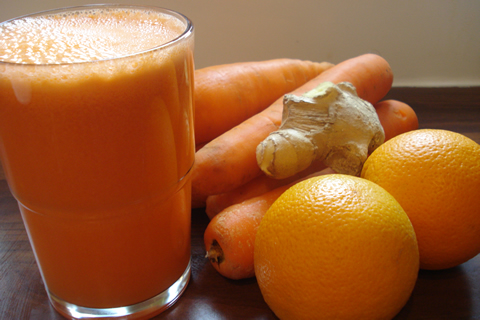
Anti-Inflammatory Support Juice: Recipe

This recipe combines ingredients traditionally used and scientifically studied for their potential to modulate inflammatory responses in the body. For instance, the synergy between these components aims to provide a broad spectrum of phytonutrients.

Ingredients

  • Turmeric: 1 teaspoon of organic turmeric powder or a 2 cm piece of fresh root
  • Ginger: 2 cm piece of fresh ginger root
  • Carrots: 5 medium-sized carrots
  • Orange: 1 whole orange, peeled
  • Lemons: 2 whole lemons, peeled
  • Cayenne Pepper: ¼ teaspoon of powder
  • Black Pepper: 1 pinch of freshly ground black pepper (to enhance turmeric absorption)

Preparation Instructions

  1. First, thoroughly wash all fresh produce.
  2. Next, process the carrots, ginger, peeled orange, and peeled lemons through a juicer, alternating between hard and soft items to maximize juice extraction.
  3. Then, pour the collected juice into a glass and stir in the turmeric powder, cayenne pepper, and the essential pinch of black pepper.
  4. Finally, mix well and consume immediately to benefit from the highest concentration of active compounds.

How Key Ingredients May Support Pain Relief

The potential benefits of this juice are linked to the bioactive compounds in its ingredients, which have been the subject of extensive scientific investigation.

Turmeric (Curcuma longa)

Turmeric’s primary active compound, curcumin, is a potent anti-inflammatory. Moreover, research published in journals like Foods indicates that curcumin can modulate inflammatory pathways by inhibiting enzymes such as cyclooxygenase-2 (COX-2) and lipoxygenase (LOX), as well as downregulating the master inflammatory switch, NF-κB. This mechanism is fundamental to its potential role in managing conditions like osteoarthritis.

Ginger (Zingiber officinale)

Ginger contains bioactive compounds called gingerols and shogaols. Furthermore, studies suggest these compounds exhibit anti-inflammatory and analgesic properties similar to non-steroidal anti-inflammatory drugs (NSAIDs). They work by inhibiting the production of prostaglandins, which are chemicals that signal pain and inflammation in the body.

Cayenne Pepper (Capsicum annuum)

The active component in cayenne is capsaicin. When consumed, capsaicin is believed to influence Substance P, a neuropeptide that transmits pain signals to the brain. By helping to deplete Substance P from nerve endings, capsaicin may reduce the perception of pain over time. This is why it is also a popular ingredient in topical pain-relief creams.

Administration Protocol and Safety Limits

To ensure both safety and efficacy, it is crucial to adhere to a structured consumption protocol.

Protocol Guideline
Maximum Daily Dose One serving (approximately 250-300 ml) per day for a healthy adult.
Treatment Duration Consume for a maximum of 14 consecutive days.
Mandatory Break Take a mandatory break of at least 7 days between 14-day cycles.
Administration Condition Best consumed with a meal containing healthy fats (e.g., avocado, nuts) to further improve the absorption of fat-soluble curcumin.

Overdose Risk: Exceeding this recommended dose, particularly over a long period, may increase the risk of gastrointestinal upset, heartburn, or adverse interactions, especially from the concentrated ginger and turmeric.

Specific Biological Limitation

Turmeric’s Anticoagulant Effect: Curcumin, the active compound in turmeric, has been shown to have antiplatelet (blood-thinning) effects. While this can be beneficial for cardiovascular health in some contexts, it poses a significant risk for individuals with bleeding disorders or those taking anticoagulant or antiplatelet medications. Consequently, this effect can increase the risk of bruising and bleeding, and it is crucial to cease consumption at least two weeks before any scheduled surgery.

Contraindications and Precautions

This juice is not suitable for everyone. Please review the following contraindications carefully.

  • Absolute Contraindications: Do not consume this juice if you have bile duct obstruction, gallstones, or a known allergy to any of the ingredients. Individuals with severe GERD or stomach ulcers should also avoid it due to the stimulating nature of ginger and cayenne.
  • Vulnerable Populations:
    • Pregnancy and Breastfeeding: Not recommended due to the concentrated doses of active botanicals like turmeric and ginger, for which safety has not been established in these populations.
    • Children: Not recommended for children under 12 without pediatric consultation.
  • Major Drug Interactions:
    • Anticoagulants (e.g., Warfarin, Heparin): Turmeric and ginger can amplify the effects of these drugs, significantly increasing bleeding risk.
    • Diabetes Medications: Ginger and turmeric may lower blood sugar levels, potentially leading to hypoglycemia when combined with medication.
    • Blood Pressure Medications: Ginger and cayenne can affect blood pressure, potentially interfering with these drugs.
  • When to Stop Immediately: Discontinue use if you experience severe abdominal pain, heartburn, allergic reactions (such as rash or swelling), or any signs of increased bleeding or bruising.

Therapeutic Alternatives

If this juice is not suitable for you, several other evidence-based botanicals may offer support for musculoskeletal pain. However, each has its own safety profile.

  1. Devil’s Claw (Harpagophytum procumbens): Traditionally used for lower back pain and osteoarthritis, its efficacy is supported by numerous clinical trials. It is typically taken in standardized capsule or tablet form.
  2. Boswellia (Boswellia serrata): Also known as Indian frankincense, its active compounds (boswellic acids) are noted for inhibiting a specific pro-inflammatory enzyme (5-LOX). It is often recommended for joint health.
  3. Arnica (Arnica montana) Gel: For localized pain, bruising, and muscle soreness, topical application of Arnica gel is a well-established and safe alternative. Importantly, Arnica should never be ingested.

Recent Medical Research (2020-2026)

Modern science continues to validate the traditional uses of these ingredients. For example, a 2020 meta-analysis in the journal Foods confirmed that curcumin supplementation provides significant pain relief and functional improvement in patients with osteoarthritis. Furthermore, a 2022 systematic review highlighted ginger’s potential as an effective and safe option for reducing pain in various inflammatory conditions. However, researchers note that most studies use standardized extracts, and more research is needed to determine the precise efficacy of dietary forms like juices.

Specialist’s Summary

This turmeric and ginger-based juice can be a useful dietary addition for supporting the body’s response to mild, inflammation-related muscle and joint pain. Its effects are based on the scientifically recognized properties of curcumin, gingerols, and capsaicin. However, it is contraindicated for individuals with gallbladder issues or on blood-thinning medication. For those who cannot use it, validated alternatives include Devil’s Claw for systemic pain and topical Arnica for localized issues.

Frequently Asked Questions

How long does it take for this juice to help with pain?
The effects are not immediate. Consistent, short-term use over several days to a week may be needed to notice a supportive effect. This is not a replacement for acute pain medication.

Can I drink this juice every day indefinitely?
No. It is not recommended for long-term daily use without breaks. Adhere to the protocol of 14 days on, followed by at least 7 days off, to minimize potential side effects.

Is fresh turmeric better than powder?
Fresh turmeric contains a broader range of compounds, but powdered turmeric is often more concentrated in curcumin. Both are effective, but ensure you use a high-quality, organic powder if possible. Always add black pepper to aid absorption.

Sources and References

  1. Paultre, K., et al. (2021). Therapeutic effects of turmeric or curcumin extract on pain and function for individuals with knee osteoarthritis: a systematic review. BMJ Open Sport & Exercise Medicine.
  2. Daily, J. W., et al. (2020). Efficacy of Turmeric Extracts and Curcumin for Alleviating the Symptoms of Joint Arthritis: A Systematic Review and Meta-Analysis of Randomized Clinical Trials. Foods.
  3. Rondanelli, M., et al. (2020). The effect of ginger (Zingiber officinale) on knee osteoarthritis: a double-blind randomized placebo-controlled trial. Phytotherapy Research.
  4. European Medicines Agency (EMA). Community herbal monograph on Curcuma longa L., rhizoma.

⚠️ Important Medical Information

This article is for educational and informational purposes only and is not intended as medical advice, diagnosis, or treatment. The information provided about this anti-inflammatory juice is based on traditional use and available scientific evidence, which may be limited for dietary preparations versus standardized extracts.

Before using this recipe:

  • Consult a qualified healthcare provider, especially if you are pregnant, breastfeeding, taking medications, or have existing health conditions like gallbladder disease, bleeding disorders, or diabetes.
  • Do not use as a substitute for prescribed medications or professional medical treatment for chronic or severe pain.
  • Individual results may vary – what works for one person may not work for another or may cause adverse effects.
  • Monitor for adverse reactions and discontinue use if negative symptoms occur.

Regulatory status: The ingredients in this recipe are foods or dietary supplements and have not been evaluated by the FDA for treating, curing, or preventing any disease.


You may also like

Leave a Comment