Therapeutic Baths for Muscle Relief and Skin Health: A Safety Guide

by Andreea Smiterson
1 comment
A+A-
Reset

Therapeutic bathing, a practice known historically as balneotherapy, uses water and natural additives to support well-being. While often marketed as “detoxifying,” the body’s primary detoxification organs are the liver and kidneys. Instead, a well-prepared therapeutic bath can help soothe sore muscles, calm irritated skin, and promote relaxation, which are all crucial components of your body’s natural wellness cycle. The skin, as the body’s largest organ, benefits significantly from proper care, and certain bath additives can support its health and function.

However, it is essential to approach this practice with an understanding of the ingredients and clear safety protocols. This guide provides evidence-based information on preparing beneficial therapeutic baths while prioritizing your safety.

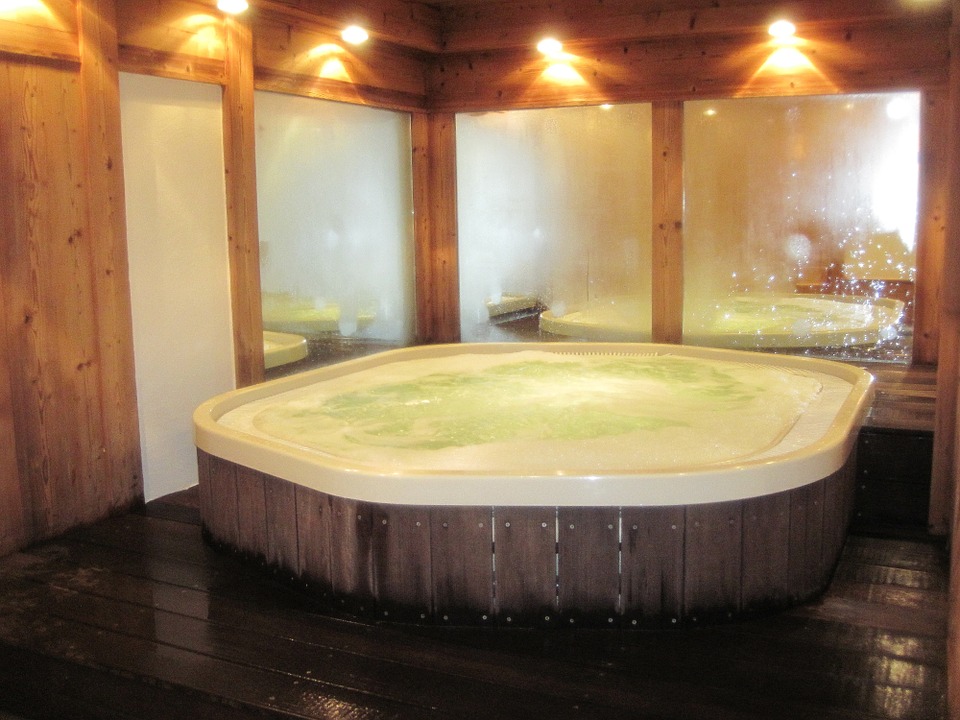
therapeutic bath for skin health

1. Epsom Salt (Magnesium Sulfate) Bath for Muscle Relaxation

Epsom salt is not a salt in the traditional sense but a mineral compound of magnesium, sulfur, and oxygen. It has been used for centuries to ease muscle aches and soreness.

Mechanism and Evidence

Magnesium plays a vital role in neuromuscular function and helps regulate over 300 enzymes in the body. The theory behind Epsom salt baths is that magnesium is absorbed through the skin (transdermal absorption), helping to reduce inflammation and relax muscles. While the extent of this absorption is still debated in the scientific community, a study published in Nutrients suggests that transdermal application can increase magnesium levels in the body. Furthermore, the osmotic effect of the salt bath can help draw excess fluid from tissues, potentially reducing swelling and discomfort.

How to Prepare

  • Add 1 to 2 cups (approximately 250-500g) of Epsom salt to a standard-sized bathtub filled with warm water.
  • Stir the water to help the salts dissolve completely before entering.
  • Soak for 15-20 minutes.

2. Ginger Bath for Circulatory Support

Ginger (Zingiber officinale) is a well-known warming herb traditionally used to stimulate circulation and induce sweating (a diaphoretic effect). This can be particularly comforting for muscle stiffness or during the early onset of a common cold.

Mechanism and Evidence

The active compounds in ginger, such as gingerols, are responsible for its warming sensation. By promoting peripheral vasodilation (widening of blood vessels near the skin’s surface), a ginger bath can increase blood flow and induce sweating. This process does not “release toxins” but rather supports the body’s natural thermoregulatory functions. Its anti-inflammatory properties are well-documented for internal use and may offer some topical benefits for sore joints.

How to Prepare

  • Use either ½ cup of freshly grated ginger root or 1 tablespoon of high-quality ginger powder.
  • Add the ginger to the tub as it fills with warm water to help it disperse.
  • Important: Perform a patch test on a small area of skin first, as ginger can cause irritation for sensitive individuals.
  • Soak for no more than 15-20 minutes.

3. Apple Cider Vinegar (ACV) Bath for Skin pH Balance

An apple cider vinegar bath can help support the skin’s natural protective barrier, known as the acid mantle. A healthy acid mantle has a pH of around 4.5-5.5, which helps protect against harmful bacteria and moisture loss.

Mechanism and Evidence

Factors like harsh soaps and environmental exposure can disrupt the skin’s pH. Because ACV is acidic, adding it to a bath in a diluted form may help restore this natural acidity. Research has also shown that ACV possesses antimicrobial properties, which may be beneficial for certain minor skin conditions. However, it should never be applied undiluted to the skin.

How to Prepare

  • Add 1 to 2 cups of raw, unfiltered apple cider vinegar to a tub of warm water.
  • Soak for 15-20 minutes.
  • Rinse your body with fresh, clean water after the bath to remove any vinegar residue.

4. How to Safely Use Essential Oils in a Bath

Essential oils can enhance the therapeutic experience through aromatherapy, but they require strict safety measures as they can cause severe skin irritation or chemical burns if used improperly.

⚠️ Critical Safety Warning: Never Add Essential Oils Directly to Bathwater

Oil and water do not mix. Dropping essential oils directly into a bath causes them to float on the surface in concentrated droplets, which can adhere to your skin and cause significant irritation. Always dilute essential oils in a carrier substance first.

Safe Dilution Method

  1. Choose a carrier. Good options include 1 tablespoon of a carrier oil (such as jojoba, sweet almond, or fractionated coconut oil) or an unscented liquid soap (like Castile soap).
  2. Add 5-10 drops of your chosen essential oil to the carrier and mix well.
  3. Add this mixture to the running bathwater to ensure it disperses as evenly as possible.

Recommended Oils:

  • Lavender (Lavandula angustifolia): Widely studied for its calming and relaxing properties, which may help reduce stress.
  • Eucalyptus (Eucalyptus globulus): Traditionally used to support respiratory function; its vapors can be inhaled during the bath. Avoid with young children.

Administration Protocol and General Safety Limits

To ensure a safe and beneficial experience, follow these general guidelines for all therapeutic baths.

Protocol Recommendation
Bath Duration Limit soaks to 15-20 minutes. Prolonged immersion can lead to dehydration or skin irritation.
Water Temperature Use warm, not hot, water. Hot water can strip the skin of its natural oils and place unnecessary strain on the cardiovascular system.
Frequency Limit therapeutic baths to 2-3 times per week to avoid disrupting the skin’s natural balance.
Hydration Drink a full glass of water before and after your bath to stay well-hydrated.

Specific Biological Limitation

Warm and hot baths cause vasodilation, the widening of blood vessels, which can lead to a drop in blood pressure. While this is relaxing for most healthy individuals, it can be dangerous for people with certain pre-existing conditions. For instance, individuals with cardiovascular disease, hypotension (low blood pressure), or diabetes should exercise extreme caution. The sudden change in blood pressure can cause dizziness, fainting, or cardiovascular stress. Therefore, consulting a healthcare provider is essential for these populations.

Contraindications and Precautions

Do not take therapeutic baths under the following conditions:

  • Fever: A hot bath can raise your body temperature further.
  • Open Wounds or Infections: Soaking can introduce bacteria and delay healing.
  • Severe Skin Conditions: For conditions like severe eczema or psoriasis, consult a dermatologist first, as some ingredients may cause flare-ups.

  • Heart Disease or High/Low Blood Pressure: The heat can put stress on the heart and affect blood pressure.
  • Kidney Disease: Individuals with impaired kidney function may not be able to excrete minerals like magnesium effectively, leading to a risk of toxicity.
  • Pregnancy: Consult your doctor. Hot baths and certain essential oils are contraindicated during pregnancy.

Therapeutic Alternatives

If therapeutic baths are not suitable for you, consider these validated alternatives:

  1. Colloidal Oatmeal Baths: For soothing itchy, irritated skin (e.g., eczema, poison ivy), colloidal oatmeal is a well-researched and gentle alternative. It forms a protective barrier on the skin.
  2. Topical Arnica Gel (Arnica montana): For localized muscle soreness and bruising, arnica gel is a clinically recognized herbal remedy that can be applied directly to the affected area.
  3. Mindfulness and Meditation: For stress reduction, practices like mindfulness-based stress reduction (MBSR) have extensive scientific backing and offer benefits without any physical contraindications.

Recent Medical Research (2020-2026)

Recent research continues to explore the mechanisms behind therapeutic bathing. A 2020 review in Evidence-Based Complementary and Alternative Medicine highlighted the benefits of balneotherapy for musculoskeletal pain, emphasizing its role in reducing inflammation and improving mobility. However, the authors also note the need for more standardized, high-quality trials. Regarding transdermal absorption, research remains ongoing, with studies focusing on optimizing delivery methods and confirming absorption rates for minerals like magnesium. The scientific consensus is that while these baths offer significant benefits for symptom relief and relaxation, they are not a substitute for medical treatment for underlying conditions.

Specialist’s Summary

Therapeutic baths using ingredients like Epsom salt, ginger, or apple cider vinegar are useful for symptomatic relief of muscle soreness and minor skin irritation, primarily through local effects and promoting relaxation. Their effects are supportive rather than curative. However, they are contraindicated for individuals with cardiovascular conditions, kidney disease, or open wounds. Always prioritize safety by using proper dilutions, moderate water temperatures, and consulting a healthcare provider if you have any underlying health concerns. Validated alternatives include topical arnica for pain and colloidal oatmeal for skin soothing.

Frequently Asked Questions

1. Can these baths actually detox my body?

No. The term “detox” is misleading. The liver and kidneys are your body’s primary detoxification organs. Therapeutic baths can support overall wellness by soothing muscles, calming the nervous system, and promoting healthy skin, but they do not pull toxins from your body.

2. Is it safe to mix ingredients like Epsom salt and baking soda?

Yes, mixing Epsom salt and baking soda is generally safe and common. A popular combination is 1 cup of Epsom salt with ½ cup of baking soda to combine muscle-relaxing and skin-soothing benefits. However, avoid mixing acidic ingredients like ACV with alkaline ones like baking soda in the same bath, as they will neutralize each other.

3. How do I know if I’m having a bad reaction?

Stop the bath immediately if you experience dizziness, shortness of breath, sudden headache, nausea, or any skin reactions like redness, intense itching, or a burning sensation. Rinse your body with cool, clean water and seek medical advice if symptoms persist.

4. Are therapeutic baths safe during pregnancy or for children?

Extreme caution is required. During pregnancy, hot baths should be avoided due to the risk of raising core body temperature. Many essential oils are also contraindicated. For children, skin is more sensitive, so use much smaller amounts of ingredients (e.g., a few tablespoons of Epsom salt) and avoid potent additives like ginger and most essential oils. Always consult a pediatrician or your obstetrician before use.

Sources and References

⚠️ Important Medical Information

This article is for educational and informational purposes only and is not intended as medical advice, diagnosis, or treatment. The information provided about therapeutic baths is based on traditional use, preliminary research, and available scientific evidence, which may be limited.

Before using any therapeutic bath additives:

  • Consult a qualified healthcare provider, especially if you are pregnant, breastfeeding, taking medications, or have existing health conditions like heart or kidney disease.
  • Do not use as a substitute for prescribed medications or professional medical treatment.
  • Individual results may vary – what works for one person may not work for another.
  • Monitor for adverse reactions and discontinue use if negative symptoms occur.


You may also like

1 comment

Vicky Walker
Vicky Walker February 26, 2016 - 14:20

These things always pop back to Facebook before I can read them.

Reply

Leave a Comment