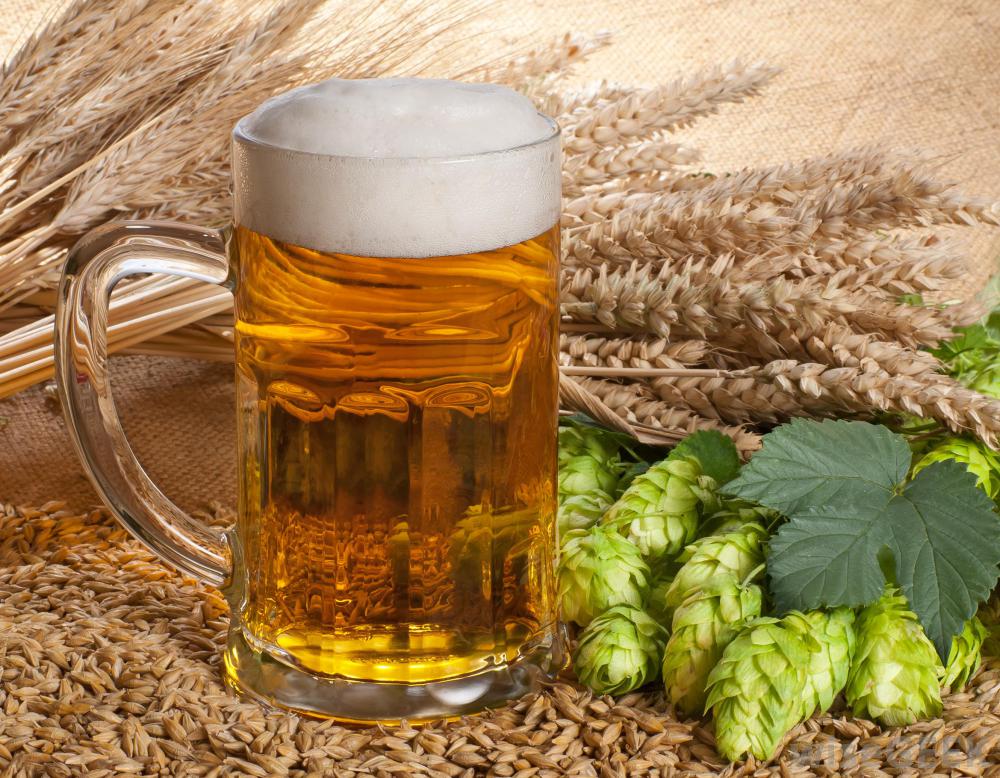
Brewer’s yeast, a microorganism scientifically known as Saccharomyces cerevisiae, is a nutrient-dense substance often overlooked in modern wellness. Traditionally a byproduct of the brewing industry, it is a powerhouse of essential nutrients. Specifically, it offers a rich source of B-complex vitamins, minerals like chromium and selenium, and vital amino acids. When thoughtfully combined with raw honey, which possesses its own well-documented antimicrobial and anti-inflammatory properties, its potential benefits may be enhanced.
However, it is crucial to approach this traditional remedy with a clear understanding of its evidence-based uses, safety protocols, and limitations. This article provides a phytotherapeutic perspective on how to use brewer’s yeast and honey safely and effectively for supporting skin health and immune function, while dispelling unsupported claims.

Potential Health Benefits of Brewer’s Yeast
While traditional use covers a wide range of applications, modern research focuses on a few key areas where brewer’s yeast shows the most promise. Importantly, it is not a cure for any disease but may offer nutritional support for certain bodily functions.
1. Supporting Skin Health and Acne
Brewer’s yeast is traditionally used both internally and topically to promote clearer skin. The scientific rationale for this is twofold. Firstly, its high concentration of B vitamins (like B2, B3, and B7) is essential for maintaining skin integrity and regeneration. Secondly, some research suggests that certain strains of S. cerevisiae may help modulate the gut microbiome, which is increasingly linked to skin inflammation through the “gut-skin axis.”
A study published in the Journal of Clinical and Aesthetic Dermatology indicates that yeast-based supplements can have a positive impact on acne lesions, likely due to their immunomodulatory and nutritional effects.
2. Aiding Energy Metabolism
The claim that brewer’s yeast directly causes weight loss is not supported by robust scientific evidence. However, its nutritional profile can support a healthy metabolism. For instance, the B-complex vitamins it contains are critical coenzymes in the process of converting carbohydrates, fats, and proteins from food into usable energy. Furthermore, brewer’s yeast is one of the best natural sources of chromium, a trace mineral that plays a role in enhancing the action of insulin and supporting healthy blood glucose metabolism.
3. Modulating the Immune System
The cell walls of Saccharomyces cerevisiae are rich in compounds called beta-glucans. Research indicates that these beta-glucans can interact with immune cells in the gut, helping to modulate the body’s immune response. Additionally, the selenium found in brewer’s yeast is a powerful antioxidant that protects cells from oxidative stress and is vital for a properly functioning immune system.
Administration Protocol and Safety Limits
Proper administration is key to maximizing benefits while minimizing risks. Therefore, you should always follow a structured protocol.
| Parameter | Guideline |
| Maximum Daily Dose | 1-2 tablespoons (15-30 grams) of debittered brewer’s yeast powder for a healthy adult. |
| Treatment Duration | Consume for 4 to 8 consecutive weeks. |
| Mandatory Break | Take a mandatory break of at least 2-3 weeks between treatment cycles to prevent tolerance or adverse effects. |
| Administration Timing | Take with or after meals to reduce the risk of digestive side effects like gas or bloating. Mix the powder into water, juice, or a smoothie. |
| Overdose Risk | Exceeding the recommended dose significantly may cause severe digestive distress, bloating, and headaches. |
Specific Biological Limitation
Tyramine Content and MAOI Interaction: Brewer’s yeast contains significant amounts of tyramine, a naturally occurring amine. In most people, the enzyme monoamine oxidase (MAO) breaks down tyramine. However, individuals taking Monoamine Oxidase Inhibitor (MAOI) antidepressants cannot process tyramine effectively. This leads to a rapid, dangerous increase in blood pressure (hypertensive crisis), which can cause severe headache, heart palpitations, and requires emergency medical attention.
Contraindications and Precautions
Before incorporating brewer’s yeast into your routine, it is essential to review the following safety warnings.
- Absolute Contraindications: Do not consume brewer’s yeast if you are taking MAOI antidepressants, have a known yeast allergy, or have Crohn’s disease, as it may worsen symptoms in some individuals.
- Vulnerable Populations:
- Pregnancy and Breastfeeding: There is insufficient reliable data on its safety. Therefore, it is best to avoid use.
- Children: Consult a pediatrician before giving brewer’s yeast to children. Doses must be significantly reduced.
- Immunocompromised Individuals: Those with weakened immune systems (e.g., due to HIV/AIDS or organ transplant) should avoid live yeast products due to a theoretical risk of fungemia (yeast infection in the bloodstream).
- Major Drug Interactions:
- MAOIs (e.g., phenelzine, tranylcypromine): Can cause a hypertensive crisis. This interaction is severe and potentially life-threatening.
- Diabetes Medications: Due to its high chromium content, brewer’s yeast may lower blood sugar levels. Consequently, combining it with diabetes drugs could lead to hypoglycemia (abnormally low blood sugar). Monitor blood sugar closely.
- Documented Adverse Effects: The most common side effects are mild and include gas, bloating, and migraine-like headaches.
How to Prepare and Use Brewer’s Yeast and Honey
Internal Use for Metabolic and Immune Support
This simple preparation is designed for daily consumption according to the safety protocol above.
Ingredients:
- 1 tablespoon of debittered brewer’s yeast powder
- 1 teaspoon of raw, unpasteurized honey
- 200 ml (approx. 7 oz) of water, unsweetened juice, or plant-based milk
Instructions:
- Combine the brewer’s yeast powder and honey in a glass.
- Add the liquid and stir vigorously until the powder is fully dissolved.
- Consume immediately, preferably with a meal. Take this once daily.
Topical Mask for Acne-Prone Skin
This external remedy leverages the nutritional content of yeast and the antimicrobial properties of honey.
Ingredients:
- 1 tablespoon of brewer’s yeast powder
- 1 tablespoon of raw honey
- 1-2 teaspoons of water or chamomile tea to achieve desired consistency
Instructions:
- In a small bowl, mix the brewer’s yeast and honey into a thick paste.
- Slowly add water or chamomile tea until you have a smooth, spreadable consistency.
- Crucially, perform a patch test: Apply a small amount to your inner arm and wait 24 hours to check for any irritation or allergic reaction.
- If no reaction occurs, apply a thin layer to clean, dry skin on affected areas, avoiding the eyes and mouth.
- Leave the mask on for 15-20 minutes.
- Rinse thoroughly with lukewarm water and pat dry. Use 1-2 times per week.
Therapeutic Alternatives
If brewer’s yeast is not suitable for you, several other evidence-based options can support similar health goals.
- For Skin Health (Acne):
- Zinc Picolinate: Numerous studies confirm that oral zinc supplementation can significantly reduce inflammation and acne lesions. It works by regulating oil gland activity and reducing bacterial growth.
- Topical Tea Tree Oil: For external use, a diluted solution of tea tree oil (Melaleuca alternifolia) has proven antimicrobial and anti-inflammatory effects comparable to benzoyl peroxide, but with fewer side effects for some people.
- For Immune Support:
- Astragalus Root (Astragalus membranaceus): This adaptogenic herb is used in Traditional Chinese Medicine to build long-term immune resilience. Unlike immune stimulants, it is considered an immunomodulator, helping to balance immune function over time.
Note: Each alternative has its own unique set of contraindications and usage guidelines. Always research them or consult a specialist before use.
Recent Medical Research (2020-2026)
Modern science continues to explore the mechanisms of Saccharomyces cerevisiae. A 2023 review published in the journal Microorganisms highlighted the significant immunomodulatory properties of yeast beta-glucans, confirming their ability to interact with immune receptors and enhance defense mechanisms. Furthermore, a 2022 study in Frontiers in Nutrition investigated the role of postbiotics derived from S. cerevisiae in improving gut barrier function and reducing inflammation, which reinforces its potential benefits for conditions linked to gut health, such as skin issues.
Current Limitations: While research is promising, many studies use specific, patented strains of yeast. The effects of generic, over-the-counter brewer’s yeast may vary. More large-scale human clinical trials are needed to establish standardized dosages for specific conditions.
Specialist’s Summary
Brewer’s yeast is a nutritionally dense supplement useful for supporting skin health and energy metabolism, primarily due to its high content of B-vitamins and chromium. Its effects are supportive and typically appear after several weeks of consistent use. However, it is strictly contraindicated for individuals on MAOI medications and those with yeast allergies or Crohn’s disease. Validated alternatives include zinc for acne and Astragalus for long-term immune support.
Frequently Asked Questions
1. Can brewer’s yeast and honey make you lose weight?
There is no direct evidence that this combination causes weight loss. However, its B-vitamins and chromium support healthy energy metabolism, which is a crucial component of any effective weight management plan that also includes a balanced diet and exercise.
2. Is it safe to take brewer’s yeast every day?
It is generally considered safe for daily use within recommended dosages but only for limited periods, such as 4-8 weeks. Phytotherapy best practices recommend taking periodic breaks (e.g., 2-3 weeks) to prevent potential side effects and allow the body to reset.
3. What is the difference between brewer’s yeast and nutritional yeast?
Both come from Saccharomyces cerevisiae, but they are processed differently. Brewer’s yeast is a byproduct of brewing and is often high in chromium, with a naturally bitter taste (unless debittered). Nutritional yeast is specifically grown on a medium like molasses, then heat-deactivated, and has a nutty, cheesy flavor. Nutritional yeast is typically fortified with vitamin B12, which brewer’s yeast lacks.
Sources and References
- Jadhav, P., et al. (2023). Yeast β-Glucan-Based Immune Support Supplements: A Review of the Current Scientific Literature. Microorganisms, 11(3), 779. https://www.mdpi.com/2076-2607/11/3/779
- Pinheiro, I., et al. (2022). A New Postbiotic From Saccharomyces cerevisiae—A Narrative Review on Its Benefits in Digestive Health and Well-Being. Frontiers in Nutrition, 9, 886339. https://www.ncbi.nlm.nih.gov/pmc/articles/PMC8988588/
- World Health Organization (WHO). (1999). Monographs on Selected Medicinal Plants, Vol. 1. Faex medicinalis.
**⚠️ Important Medical Information**
This article is for **educational and informational purposes only** and is not intended as medical advice, diagnosis, or treatment. The information provided about Brewer’s Yeast is based on traditional use, preliminary research, and available scientific evidence, which may be limited.
**Before using Brewer’s Yeast:**
– **Consult a qualified healthcare provider**, especially if you are pregnant, breastfeeding, taking medications (particularly MAOIs or diabetes drugs), or have existing health conditions like Crohn’s disease or a compromised immune system.
– **Do not use as a substitute** for prescribed medications or professional medical treatment.
– **Individual results may vary** – what works for one person may not work for another.
– **Monitor for adverse reactions** and discontinue use if negative symptoms occur.
**Regulatory status:** Brewer’s Yeast is considered a dietary supplement and has not been evaluated by the FDA for treating, curing, or preventing any disease.