Basil and Ginger Tonic for Cold Relief: Recipe and Safety Guide
In traditional herbal practices, particularly Ayurveda, combining specific plants to create supportive remedies is a long-standing tradition. Holy Basil, also known as Tulsi (Ocimum tenuiflorum), and Ginger (Zingiber officinale) are two such botanicals, frequently used together to create a warming tonic. This preparation is traditionally valued for its soothing properties, especially during seasonal challenges like colds and respiratory discomfort.
However, while traditional use provides a valuable foundation, it is essential to approach herbal preparations with an understanding of modern scientific evidence and clear safety protocols. This article provides an evidence-based look at a traditional basil and ginger tonic, including its preparation, potential benefits, and crucial safety information.
The Science Behind the Ingredients
The potential effects of this tonic stem from the bioactive compounds present in its ingredients. Importantly, research suggests these compounds work synergistically to support the body’s response to minor ailments.
- Holy Basil (Tulsi, Ocimum tenuiflorum): Not to be confused with culinary sweet basil, Holy Basil is classified as an adaptogen. Adaptogens are substances that may help the body adapt to stress and support normal metabolic function. Furthermore, studies published in journals like the Journal of Ayurveda and Integrative Medicine indicate that compounds in Tulsi, such as eugenol, ursolic acid, and rosmarinic acid, possess immunomodulatory and antimicrobial properties that may support respiratory health.
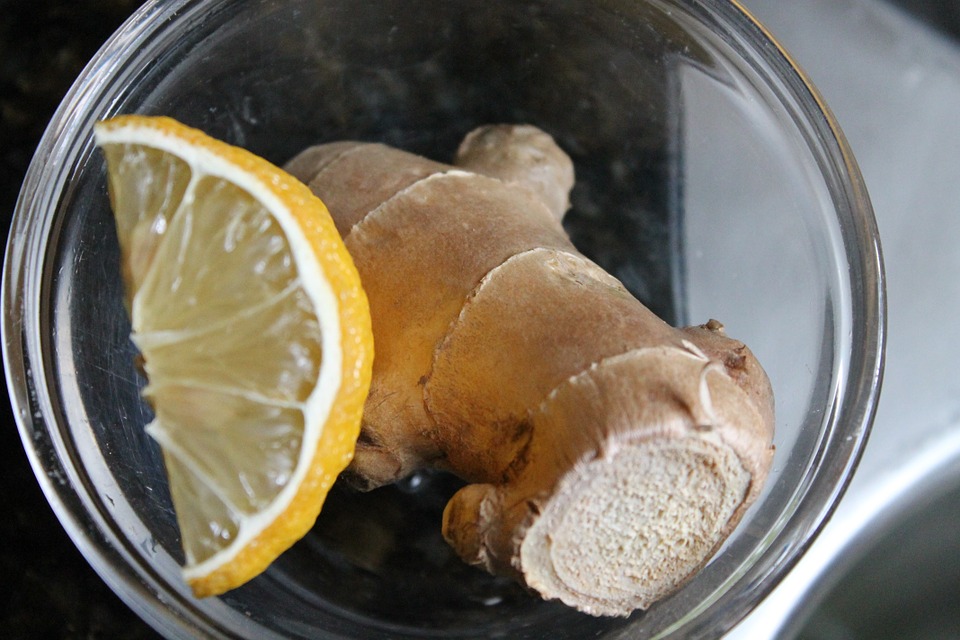
- Ginger (Zingiber officinale): Ginger is well-documented for its health-supportive properties. The World Health Organization (WHO) monograph on ginger acknowledges its use for managing nausea and motion sickness. Moreover, its primary active compounds, gingerols and shogaols, have demonstrated significant anti-inflammatory and antioxidant effects in numerous clinical studies. These properties may help soothe a sore throat and reduce inflammation associated with respiratory infections.
- Black Peppercorns (Piper nigrum): The active compound in black pepper, piperine, is known to enhance the bioavailability of other compounds. In this tonic, it may help increase the absorption of the active constituents from basil and ginger.
Traditional Soothing Tonic Recipe
This recipe creates a potent infusion designed for short-term use during periods of seasonal illness. The preparation time is approximately 15 minutes and yields one serving (about ¾ cup or 175 ml).
Ingredients:
- 10-15 fresh Holy Basil (Tulsi) leaves (approx. ¼ cup)
- 1-inch (2-3 cm) piece of fresh ginger, peeled
- ½ teaspoon of whole black peppercorns
- 1 ½ cups (350 ml) of water
Note: The intensity of the tonic can be adjusted by varying the amount of ginger. Start with a smaller piece if you are sensitive to its spicy flavor.
Preparation Method:
- First, thoroughly wash the Holy Basil leaves.
- Next, finely chop or grate the peeled ginger. For a more potent extraction, you can crush it into a paste using a mortar and pestle.
- In a small, dry pan over low heat, gently toast the black peppercorns for about 30-60 seconds until they become aromatic. Then, lightly crush them.
- Subsequently, bring the 1 ½ cups of water to a boil in a small saucepan.
- Add the crushed ginger, toasted peppercorns, and Holy Basil leaves to the boiling water.
- Reduce the heat, cover the saucepan with a lid, and let the mixture simmer gently until the liquid reduces to approximately ¾ of a cup (about 10-12 minutes).
- Finally, remove the saucepan from the heat and let it cool for a few minutes. Strain the liquid into a cup and drink it while warm.
Administration Protocol and Safety Limits
For this tonic to be used safely and effectively, adherence to a clear protocol is essential. Therefore, you should follow these guidelines strictly.
| Guideline | Protocol |
|---|---|
| Treatment Duration | Use for 5-7 consecutive days to manage acute symptoms of a cold. It is not intended for long-term daily consumption. |
| Mandatory Break | Take a break of at least 14 days between treatment cycles. |
| Maximum Daily Dose | Do not exceed two servings (1 ½ cups total) per day for a healthy adult. |
| Administration Condition | Consume after a light meal to prevent potential stomach irritation from the ginger. Ensure adequate hydration throughout the day. |
Specific Biological Limitation
Anti-platelet Activity: Ginger contains compounds that can inhibit platelet aggregation, which is the process of blood clotting. While this can be beneficial for cardiovascular health in some contexts, it becomes a risk for individuals with bleeding disorders or those taking anticoagulant (blood-thinning) medications.
Technical Warning: Consuming high doses of ginger can potentiate the effects of drugs like warfarin, aspirin, or clopidogrel, thereby increasing the risk of bruising and bleeding. For this reason, it is critical to cease consumption at least two weeks before any scheduled surgery.
Contraindications and Precautions
Before using this tonic, it is imperative to review the following contraindications to avoid adverse effects.
Absolute Contraindications:
- Bleeding Disorders: Individuals with conditions like hemophilia should avoid this tonic due to ginger’s anti-platelet effects.
- Pre-Surgery: Discontinue use at least two weeks prior to any surgical procedure to prevent excessive bleeding.
- Gallstone Disease: Ginger can stimulate bile production, which may cause pain in individuals with gallstones. Consult a doctor before use.
Vulnerable Populations:
- Pregnancy: Avoid using Holy Basil during pregnancy, as some animal studies suggest it may affect fertility and uterine contractions. Ginger is generally considered safe in small amounts for pregnancy-related nausea, but high doses should be avoided. Consult an obstetrician.
- Breastfeeding: There is insufficient data on the safety of Holy Basil during lactation. Therefore, it is best to avoid it.
- Children: This tonic is not recommended for children under the age of 12 due to its potency and lack of pediatric safety data.
Major Drug Interactions:
- Anticoagulants/Anti-platelets (e.g., Warfarin, Aspirin): Ginger significantly increases the risk of bleeding when combined with these medications.
- Antidiabetic Drugs: Both Holy Basil and Ginger may lower blood sugar levels. Consequently, combining them with diabetes medication could lead to hypoglycemia. Monitor blood glucose levels closely if used under medical supervision.
- Antihypertensive Drugs: Ginger may lower blood pressure, potentially enhancing the effect of blood pressure medications and causing hypotension.
Therapeutic Alternatives
If this Basil and Ginger Tonic is not suitable for you, other evidence-based botanical alternatives can provide respiratory support.
- Thyme (Thymus vulgaris): Thyme is recognized by the German Commission E and the European Medicines Agency (EMA) for its use in treating symptoms of bronchitis and whooping cough. Its essential oils act as an expectorant, helping to loosen phlegm and soothe coughs. It can be consumed as a tea.
- Elderberry (Sambucus nigra): A meta-analysis published in 2021 confirmed that elderberry extract may substantially reduce the duration and severity of upper respiratory symptoms. It is available as a syrup or lozenge and is best taken at the first sign of a cold.
- Mullein (Verbascum thapsus): Traditionally used as an expectorant for respiratory conditions, Mullein contains saponins that help make mucus more fluid and easier to expel. It is typically prepared as a soothing tea for dry coughs.
Note: Each alternative has its own specific contraindications and safety profile. Always research or consult a specialist before use.
Recent Medical Research (2020-2026)
Modern research continues to explore the mechanisms behind these traditional herbs.
- A 2022 review on Holy Basil highlighted its potential role in modulating immune responses, including its effects on cytokines and immune cells, which are critical for fighting infections.
- Research published in the journal Nutrients in 2023 explored ginger’s role in respiratory health, reaffirming its anti-inflammatory properties and suggesting its potential to mitigate inflammatory pathways associated with viral infections.
Current Limitations: While promising, much of the research on Holy Basil is preclinical or based on animal models. More robust, large-scale human clinical trials are needed to establish definitive dosages and confirm its efficacy for specific conditions.
Specialist’s Summary
The Holy Basil and Ginger tonic is a traditional remedy useful for providing temporary, symptomatic relief from minor colds in healthy adults. Its effects are considered mild to moderate and typically appear after a few doses. However, it is strictly contraindicated for individuals with bleeding disorders or those on anticoagulant medication. Validated alternatives with stronger evidence for respiratory support include Thyme for coughs and Elderberry for reducing cold duration.
Frequently Asked Questions
1. Can I use regular sweet basil instead of Holy Basil (Tulsi)?
While sweet basil (Ocimum basilicum) has its own health benefits, it does not possess the same adaptogenic and potent immunomodulatory properties as Holy Basil (Ocimum tenuiflorum). For the therapeutic effects described, it is best to use Tulsi.
2. Is it safe to drink this tonic every day for prevention?
No, this tonic is formulated for acute, short-term use (5-7 days) during an active illness. Long-term daily use of ginger can lead to digestive upset or interfere with medications, and the long-term safety of daily Holy Basil consumption has not been fully established.
3. What are the signs I should stop taking this tonic?
Discontinue use immediately and consult a healthcare provider if you experience any adverse reactions, such as stomach pain, heartburn, diarrhea, dizziness, or any signs of an allergic reaction (e.g., rash, itching).
4. Is this tonic safe for children or during pregnancy?
No. This tonic is not recommended for children under 12. It should be avoided during pregnancy due to Holy Basil’s potential effects on uterine health. Always consult a healthcare provider before using any herbal remedy during pregnancy, breastfeeding, or for a child.
Sources and References
- Cohen, M. M. (2014). Tulsi – Ocimum sanctum: A herb for all reasons. Journal of Ayurveda and Integrative Medicine, 5(4), 251–259.
- World Health Organization. (1999). WHO Monographs on Selected Medicinal Plants, Vol. 1. Rhizoma Zingiberis.
- Wieland, L. S., Piechotta, V., Barnes, J., et al. (2021). Elderberry for prevention and treatment of viral respiratory illnesses: a systematic review. BMC Complementary Medicine and Therapies, 21(1), 112.
- Jamshidi-Kia, F., Lorigooini, Z., & Amini-Khoei, H. (2018). Medicinal plants: A treasured reservoir for treatment of neurological disorders. Pharmacological Research, 130, 24-42. [Reference for Thyme’s traditional use and mechanisms].
⚠️ Important Medical Information
This article is for educational and informational purposes only and is not intended as medical advice, diagnosis, or treatment. The information provided about Basil and Ginger Tonic is based on traditional use, preliminary research, and available scientific evidence, which may be limited.
Before using this tonic:
- Consult a qualified healthcare provider, especially if you are pregnant, breastfeeding, taking medications, or have existing health conditions.
- Do not use as a substitute for prescribed medications or professional medical treatment for serious infections.
- Individual results may vary – what works for one person may not work for another.
- Monitor for adverse reactions and discontinue use if negative symptoms occur.



