Apricot & Carrot Smoothie for Vision Support: Benefits and Safe Use
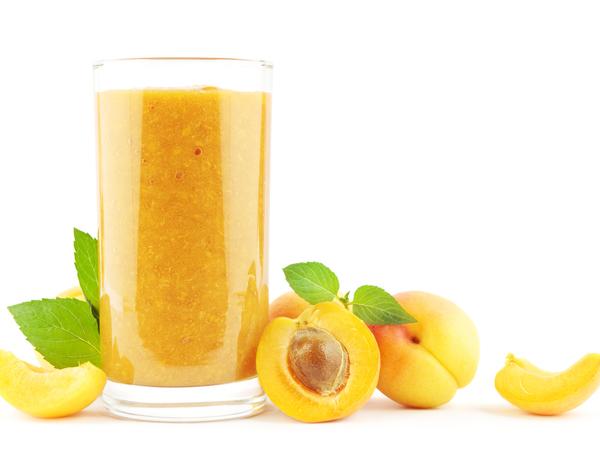
This smoothie combines the nutritional benefits of apricots (*Prunus armeniaca*) and carrots (*Daucus carota*), two ingredients traditionally recognized for their role in maintaining healthy vision. Rather than being a “magic potion,” its value lies in a high concentration of specific phytonutrients, particularly carotenoids, which scientific research has linked to eye health.
This article provides an evidence-based look at how this simple recipe can be a functional addition to a diet focused on supporting long-term vision, along with clear safety protocols for its consumption.

Evidence-Based Recipe for Eye Health
This recipe is designed to maximize the bioavailability of key fat-soluble nutrients like beta-carotene.
Ingredients:
- 5 medium apricots, fresh or frozen, pits removed
- 2 medium carrots, washed and roughly chopped
- 250 ml (approx. 1 cup) of water or unsweetened plant-based milk
- Optional: 1 teaspoon of flaxseed oil or a few walnuts to aid absorption of fat-soluble vitamins
Instructions:
- First, wash the carrots and apricots thoroughly. There is no need to peel the carrots if they are organic, as many nutrients are in or just below the skin.
- Next, place the chopped carrots, apricots, and your chosen liquid into a high-speed blender.
- Additionally, add the optional flaxseed oil or walnuts. This small amount of healthy fat is crucial, as it significantly improves the body’s ability to absorb the carotenoids.
- Blend on high speed until the mixture is completely smooth and homogenous. If the smoothie is too thick for your preference, add more water and blend again briefly.
- Finally, serve immediately to benefit from the maximum nutrient content.
Scientific Mechanisms: How It Supports Vision
The primary benefits of this smoothie for eye health are derived from its rich content of carotenoids, specifically beta-carotene, lutein, and zeaxanthin.
Beta-Carotene and Vitamin A: Carrots are a primary source of beta-carotene, a provitamin A carotenoid. The body converts beta-carotene into retinol (Vitamin A), an essential component of rhodopsin. Rhodopsin is a protein in the eye’s photoreceptor cells that absorbs light, making it critical for low-light and color vision. According to research published in the *Journal of Clinical Medicine*, adequate Vitamin A intake is fundamental for preventing night blindness and maintaining corneal health.
Lutein and Zeaxanthin: Apricots contribute lutein and zeaxanthin, two carotenoids that accumulate in the retina, particularly in the macula. They function as a natural filter for high-energy blue light, which can damage sensitive eye structures. Furthermore, they act as powerful antioxidants, neutralizing free radicals generated by light exposure and metabolic processes. A meta-analysis in the journal *Nutrients* (2022) confirmed that higher dietary intake of lutein and zeaxanthin is associated with a reduced risk of late-stage age-related macular degeneration (AMD).
Dietary Fiber for Systemic Health: Both ingredients are excellent sources of dietary fiber. Specifically, the soluble fiber helps manage cholesterol levels by binding with bile acids in the digestive system. Since high cholesterol can contribute to blockages in retinal arteries, maintaining cardiovascular health is indirectly beneficial for vision.
Administration Protocol and Safety Limits
While this smoothie is a healthy food, it should be consumed with awareness of dosage and frequency.
Consumption Frequency
- Recommended Intake: Consuming this smoothie 3-4 times per week as part of a varied and balanced diet is a sustainable approach.
- Dietary Rotation: It is not recommended as a sole “treatment.” For this reason, you should rotate it with other nutrient-dense foods like leafy greens and berries to ensure a broad spectrum of phytonutrients.
Maximum Daily Dose
- Serving Size: One serving of 250-350 ml per day is considered safe and effective for a healthy adult.
- Overconsumption Risk: Consuming very large quantities of carrots daily over several weeks can lead to carotenemia, a harmless condition where the skin takes on a yellowish-orange hue due to excess beta-carotene storage. The condition is reversible upon reducing intake.
Administration Conditions
- Timing: Best consumed with a meal or with an added source of fat (as included in the recipe) to maximize the absorption of fat-soluble carotenoids.
- Hydration: Ensure adequate water intake throughout the day, as the fiber content requires sufficient liquid for proper digestion.
Specific Biological Limitation
Carotenoid Conversion Efficiency: The primary limitation is the biological conversion of beta-carotene to active Vitamin A (retinol). This process is tightly regulated by the body, which prevents Vitamin A toxicity from plant sources. However, genetic factors, thyroid function, and gut health can influence an individual’s conversion efficiency. Therefore, while this smoothie contributes to Vitamin A status, it should not be relied upon to correct a severe deficiency without medical guidance.
Contraindications and Precautions
Always consider potential health conditions and interactions before incorporating any functional food into your routine.
Absolute Contraindications
- Known Allergies: Individuals with a known allergy to carrots (Apiaceae family) or apricots (Rosaceae family) should avoid this smoothie.
- Oral Allergy Syndrome: People with birch pollen allergies may experience cross-reactivity with apricots, leading to itching or swelling in the mouth.
Vulnerable Populations
- Diabetes: The smoothie contains natural sugars. Individuals with diabetes should account for its carbohydrate content and monitor blood glucose levels accordingly.
- Kidney Conditions: Apricots contain oxalates, which can contribute to the formation of kidney stones in susceptible individuals. Therefore, those with a history of calcium oxalate stones should consume it in moderation.
Major Drug Interactions
- Anticoagulants (e.g., Warfarin): Carrots contain Vitamin K, which plays a role in blood clotting. While the amount in one serving is unlikely to cause a significant interaction, individuals on warfarin should maintain a consistent intake of Vitamin K-containing foods and consult their healthcare provider.
Therapeutic Alternatives
If this smoothie is not suitable, other botanicals and foods offer excellent support for vision health.
| Alternative | Mechanism and Use |
|---|---|
| Bilberry (*Vaccinium myrtillus*) | Rich in anthocyanosides, which are potent antioxidants that may improve retinal blood flow and support night vision. It is often used in standardized extract form. |
| Spinach and Kale | These leafy greens are among the most concentrated dietary sources of lutein and zeaxanthin, offering a more potent dose of these macular pigments than apricots. |
| Saffron (*Crocus sativus*) | Emerging research suggests that saffron supplementation may improve retinal function and visual acuity in early-stage AMD, likely due to its antioxidant and anti-inflammatory properties. |
Note: Each alternative has its own distinct profile of benefits and contraindications.
Recent Medical Research (2020-2026)
Modern research continues to affirm the role of diet in preventing age-related eye diseases.
- A 2023 study in the *American Journal of Clinical Nutrition* analyzed data from large cohorts and found that higher plasma concentrations of carotenoids were strongly associated with a lower risk of developing AMD. This reinforces the importance of consuming carotenoid-rich foods like carrots and apricots.
- A 2022 meta-analysis published in *Frontiers in Nutrition* concluded that dietary interventions rich in antioxidants, including vitamins A and C, lutein, and zeaxanthin, play a significant role in delaying the onset and progression of cataracts.
Current Limitations: While the evidence strongly supports a preventative role, it is crucial to note that dietary changes have shown limited ability to reverse existing damage from advanced eye diseases. Most benefits are associated with long-term, consistent intake.
Specialist’s Summary
The Apricot and Carrot smoothie is a valuable dietary tool for providing key carotenoids (beta-carotene, lutein, zeaxanthin) that support retinal health and may reduce the long-term risk of age-related vision decline. It is generally safe when consumed in moderation but requires caution for individuals with diabetes or a history of kidney stones. For targeted support, validated alternatives like Bilberry extract or increasing intake of leafy greens like spinach offer more concentrated sources of specific eye-healthy compounds.
Frequently Asked Questions
Can this smoothie improve my current eyesight?
This smoothie supports the structures of the eye and may help slow age-related decline. However, it cannot reverse existing refractive errors (like nearsightedness) or cure diseases like advanced cataracts or macular degeneration. It is a preventative measure, not a corrective treatment.
How often should I drink this smoothie to see benefits?
Consistency is more important than quantity. Incorporating it into your diet 3-4 times a week as part of a broader healthy eating pattern is a realistic goal. The benefits for eye health are cumulative and build over years, not weeks.
Are there any side effects of drinking too much of this smoothie?
The most common side effect from excessive consumption is carotenemia, a harmless condition where high levels of beta-carotene cause the skin, particularly on the palms and soles, to turn a yellowish color. This resolves once intake is reduced.
Sources and References
- Carazo, A., et al. (2021). “Vitamin A Update: Forms, Sources, Kinetics, Detection, Function, Deficiency, Therapeutic Use and Toxicity.” *Nutrients*. https://www.mdpi.com/2072-6643/13/5/1703
- Li, L. H., et al. (2020). “Lutein, Zeaxanthin and Meso-zeaxanthin Supplementation Associated with Macular Pigment Optical Density.” *Nutrients*. https://www.mdpi.com/2072-6643/12/7/1957
- Bovier, E. R., & Hammond, B. R. (2022). “A systematic review of the effects of lutein and zeaxanthin on visual health in the young.” *Frontiers in Nutrition*. https://www.frontiersin.org/articles/10.3389/fnut.2022.844559
⚠️ Important Medical Information
This article is for educational and informational purposes only and is not intended as medical advice, diagnosis, or treatment. The information provided about this Apricot and Carrot Smoothie is based on traditional use and available scientific evidence regarding its ingredients.
Before making significant dietary changes:
- Consult a qualified healthcare provider or registered dietitian, especially if you are pregnant, breastfeeding, taking medications, or have existing health conditions like diabetes or kidney disease.
- Do not use this smoothie as a substitute for prescribed medications or professional medical treatment for any eye condition.
- Individual results may vary – dietary needs and responses are unique to each person.
- Monitor for adverse reactions, such as digestive upset or allergic symptoms, and discontinue use if they occur.
Regulatory status: The ingredients in this smoothie are foods and are not evaluated by the FDA for treating, curing, or preventing any disease.