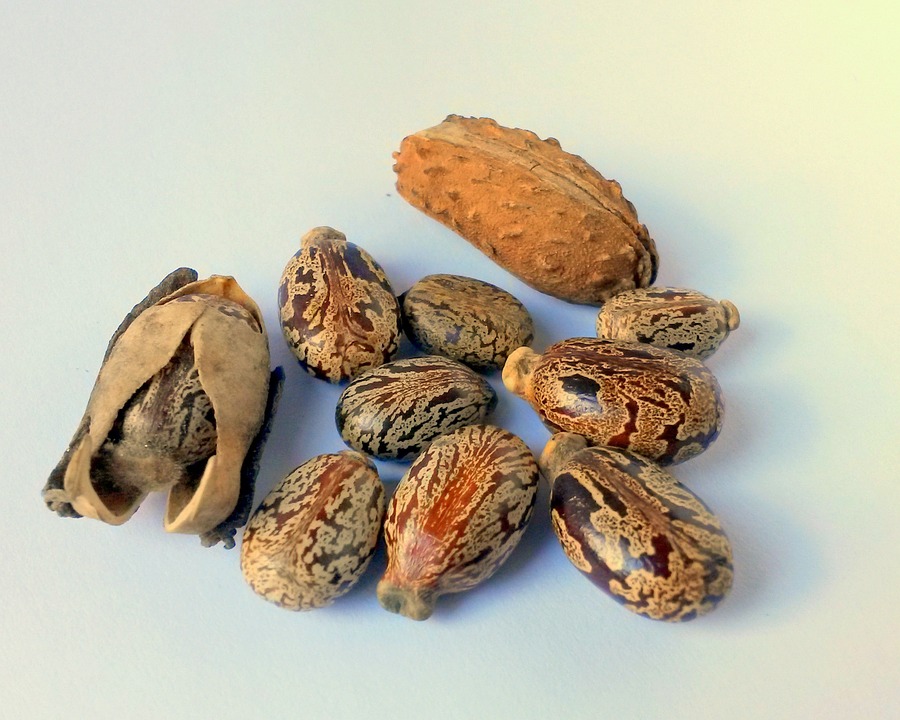
Castor oil, derived from the seeds of the Ricinus communis plant, has been a staple in traditional medicine for centuries, from ancient Egypt to Ayurvedic practices. While folk remedies often make broad claims, modern science allows us to understand its potential benefits and, more importantly, its significant risks. Its therapeutic properties are primarily attributed to ricinoleic acid, a unique fatty acid that constitutes about 90% of the oil.
This article provides an evidence-based guide to the topical uses of castor oil, focusing on its scientifically plausible applications while eliminating unsupported and dangerous claims. Furthermore, it outlines critical safety protocols to ensure responsible use.

Potential Benefits of Topical Castor Oil Application
The primary validated use of castor oil is external. Its high concentration of ricinoleic acid gives it anti-inflammatory, analgesic (pain-relieving), and hydrating properties when applied to the skin.
1. Supporting Skin Hydration and Barrier Function
Castor oil is a humectant, meaning it can draw moisture from the air into the skin, and an emollient, which helps to soften and smooth the skin. For this reason, it is traditionally used to manage dry skin conditions and improve skin elasticity. For instance, some people apply it to moisturize dry, cracked heels or to support skin suppleness during pregnancy, which may help reduce the appearance of stretch marks. However, its effectiveness for stretch marks is primarily preventative through hydration, not a “treatment” for existing ones.
2. Soothing Minor Aches and Pains
The anti-inflammatory properties of ricinoleic acid are the basis for castor oil’s most common therapeutic application: the castor oil pack. According to a study published in the International Journal of Molecular Sciences, ricinoleic acid can exert analgesic and anti-inflammatory effects. Consequently, herbalists often recommend castor oil packs to provide temporary relief from minor joint pain, muscle soreness, and menstrual cramps.
3. Traditional Uses with Limited Evidence
Several other uses are popular in folk medicine but currently lack robust scientific validation. These include:
- Hair and Scalp Health: Massaging castor oil into the scalp may improve hydration and reduce flakiness due to its moisturizing properties. While many claim it stimulates hair growth, scientific evidence for this specific effect is minimal.
- Minor Skin Blemishes: Traditionally applied to warts and skin tags, the mechanism is not well understood, and results are anecdotal.
- Antimicrobial Support: Ricinoleic acid has shown some antimicrobial and antifungal activity in laboratory settings. Therefore, it is sometimes used topically on minor fungal skin issues, but it is not a substitute for prescribed antifungal medications.
How to Prepare and Use a Castor Oil Pack Safely
A castor oil pack is the most common method for topical application for pain relief. It involves applying oil-soaked flannel to the skin to maximize absorption.
Materials Needed:
- High-quality, cold-pressed, hexane-free castor oil
- A piece of unbleached cotton or wool flannel, large enough to cover the target area
- A piece of plastic wrap or a waterproof layer larger than the flannel
- A hot water bottle or heating pad
- An old towel to protect surfaces from oil stains
Step-by-Step Instructions:
- Place the old towel on a flat surface where you can lie down comfortably.
- Saturate the flannel with castor oil. It should be soaked but not dripping.
- Position the oil-soaked flannel directly onto the skin over the affected area (e.g., abdomen, sore joint).
- Cover the flannel with the plastic wrap to prevent staining and to help retain heat.
- Place the hot water bottle or heating pad (on a low setting) over the plastic wrap.
- Relax for 45-60 minutes. This is an excellent time for meditation or deep breathing.
- After the session, remove the pack. You can store the flannel in a sealed container in the refrigerator for future use (it can be reused up to 25-30 times, adding more oil as needed).
- Gently cleanse the oil from your skin with a natural soap and water solution.
⚠️ WARNING – Severe Risks of Ingestion and Misuse
NEVER ingest castor oil without explicit direction from a qualified healthcare provider. Internal use is a potent stimulant laxative that can cause violent cramping, diarrhea, dehydration, and electrolyte imbalance. It has historically been used to induce labor and is an absolute contraindication during pregnancy as it can cause uterine contractions and premature birth.
NEVER apply castor oil to the eyes. The claim that it can treat cataracts is false and extremely dangerous, potentially leading to severe eye irritation, infection, or vision damage.
Administration Protocol and Safety Limits
For safe and effective use, it is crucial to adhere to a strict protocol.
- Treatment Duration: Use the pack for 3-5 consecutive days per week.
- Mandatory Break: Take a break for 2-4 days each week to allow the body to rest. A longer break of 1-2 weeks is recommended after 4-6 weeks of consistent use.
- Maximum Daily Dose: For topical application, limit sessions to once per day for no longer than 60 minutes.
- Administration Condition: Apply to clean, unbroken skin. Using it in the evening before bed can promote relaxation.
Specific Biological Limitation
The primary active compound, ricinoleic acid, works by interacting with prostaglandin receptors in the body. While this can reduce inflammation and pain in some tissues, it can also stimulate smooth muscle tissues, such as those in the intestines and uterus. This dual action is why it can be soothing when applied topically for muscle pain but dangerous when ingested, especially during pregnancy.
Contraindications and Precautions
It is essential to be aware of who should avoid castor oil.
- Absolute Contraindications: Do not ingest castor oil if you are pregnant, have appendicitis, bowel obstruction, or inflammatory bowel disease. Do not apply topically over broken skin, wounds, or acute injuries with swelling.
- Pregnancy and Breastfeeding: Ingestion is strictly forbidden during pregnancy. While topical use is generally considered safer, consult a healthcare provider before using castor oil packs, as systemic absorption is possible. Avoid use while breastfeeding.
- Children: Do not use on children without consulting a pediatrician.
- Adverse Effects: The most common side effect from topical use is a skin rash or allergic reaction. Perform a patch test on a small area of skin before widespread use.
- When to Stop Immediately: Discontinue use if you develop a skin rash, itching, hives, or any signs of an allergic reaction.
Therapeutic Alternatives
If castor oil is not suitable for you, consider these validated alternatives:
- Arnica Gel (Arnica montana): An excellent topical alternative for bruises, muscle soreness, and minor joint pain. Research shows it has significant anti-inflammatory properties when applied to the skin. It should only be used on unbroken skin.
- Shea Butter (Vitellaria paradoxa): For skin hydration and supporting elasticity, unrefined shea butter is a superb emollient rich in vitamins A and E. It is gentle, non-irritating for most people, and provides a protective barrier for the skin.
- Ginger Compress: A warm ginger compress can be used similarly to a castor oil pack to soothe menstrual cramps and muscle aches. Ginger contains gingerols, which have powerful anti-inflammatory and analgesic effects.
Recent Medical Research (2020-2026)
Modern research continues to explore the mechanisms of castor oil. A 2022 study in the International Journal of Molecular Sciences reaffirmed the anti-inflammatory and analgesic potential of ricinoleic acid, highlighting its interaction with specific cellular pathways related to pain and inflammation. However, research remains focused on its topical and industrial applications, with significant gaps in clinical trials for many of its traditional uses. The scientific consensus is that while promising for topical relief, many folk claims are not yet supported by high-quality human studies.
Specialist’s Summary
Topical castor oil is a useful traditional remedy for supporting skin hydration and providing temporary relief from minor muscular and joint pain due to its anti-inflammatory properties. However, it is absolutely contraindicated for internal use, especially during pregnancy, due to its potent laxative and uterine-contracting effects. Always perform a patch test before use and apply it only to unbroken skin. Validated alternatives like Arnica gel for pain and shea butter for skin moisture offer excellent safety profiles.
Frequently Asked Questions
1. Can I use castor oil on my face?
Yes, many people use it as a facial moisturizer or for oil cleansing. However, because it is a thick oil, it may be comedogenic (pore-clogging) for some individuals, especially those with oily or acne-prone skin. Always start with a patch test on your jawline.
2. How long does it take for a castor oil pack to work for pain?
Relief is typically gradual. Some people feel soothing effects during the first application due to the heat and the oil’s properties. For chronic issues like joint stiffness, consistent use over several days or weeks may be necessary to notice a significant difference.
3. Is it safe to ingest “food grade” castor oil?
No. The term “food grade” does not negate its powerful biological effects. Ingesting castor oil should only be done under the strict supervision of a healthcare professional for specific, short-term medical purposes like bowel preparation for a procedure. Casual or “detox” use is dangerous.
4. Is castor oil safe for children, during pregnancy, or while breastfeeding?
No. Do not give castor oil internally to children. Topical use should be discussed with a pediatrician. It is strictly forbidden to ingest during pregnancy. Both internal and topical use should be avoided while breastfeeding due to the lack of safety data.
Sources and References
- Vieira, C., Evangelista, S., Cirillo, R., Lippi, A., Maggi, C. A., & Manzini, S. (2000). Effect of ricinoleic acid in acute and subchronic experimental models of inflammation. Mediators of inflammation, 9(5), 223–228.
- De-Souza, G. G., de-Jesus, H. C. R., Gazarini, L., & da-Silva, M. A. (2022). Ricinoleic Acid: A Review of Its Applications and Potential in Medicine and Agriculture. International Journal of Molecular Sciences, 23(21), 13444.
- World Health Organization. (1999). WHO Monographs on Selected Medicinal Plants, Volume 1. Folium Ricini.
⚠️ Important Medical Information
This article is for educational and informational purposes only and is not intended as medical advice, diagnosis, or treatment. The information provided about Castor Oil is based on traditional use, preliminary research, and available scientific evidence, which may be limited.
Before using Castor Oil:
- Consult a qualified healthcare provider, especially if you are pregnant, breastfeeding, taking medications, or have existing health conditions.
- Do not use as a substitute for prescribed medications or professional medical treatment.
- Individual results may vary – what works for one person may not work for another.
- Monitor for adverse reactions and discontinue use if negative symptoms occur.