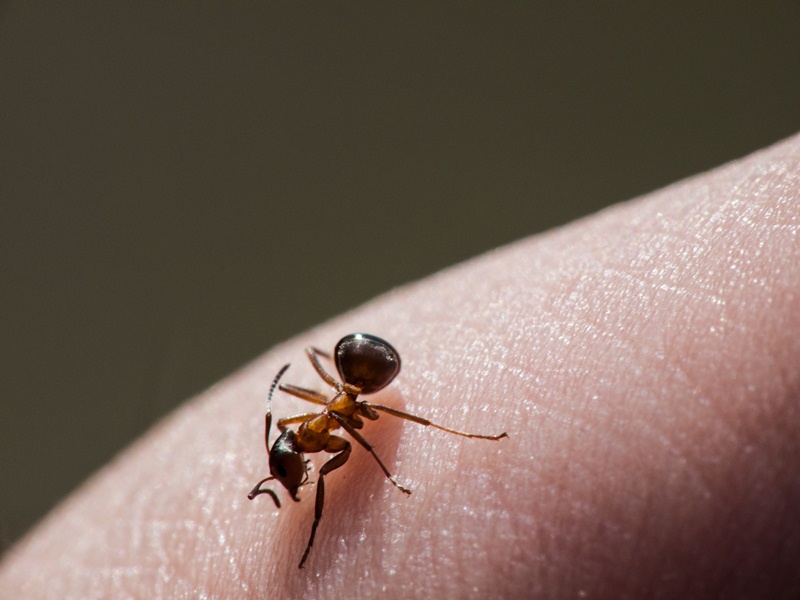
Soothing Ant Bites: 5 Evidence-Based Herbal and Natural Remedies

A phytotherapist's guide to safely relieving itch, pain, and swelling from ant stings using validated remedies.

by Andreea Smiterson
0 comments
A+A-
Reset

Ant bites can cause immediate pain, itching, and localized swelling. While most are minor annoyances, some, particularly from fire ants, can lead to painful pustules or even severe allergic reactions. Understanding how to manage the initial symptoms of a mild, localized reaction at home can provide significant relief. However, it is crucial to distinguish between a simple bite and a systemic allergic reaction that requires immediate medical attention.

home-remedies-for-ant-bites

This guide focuses on evidence-based phytotherapeutic and natural approaches for managing the discomfort of common ant bites. It eliminates folk remedies that lack scientific support or may cause skin irritation, such as toothpaste, vinegar, or aspirin paste.

When to Seek Immediate Medical Attention

Before attempting any home care, it is vital to recognize the signs of a severe allergic reaction (anaphylaxis). If you or someone else experiences any of the following symptoms after an insect bite, call emergency services immediately:

  • Difficulty breathing or wheezing
  • Swelling of the lips, tongue, or throat
  • Widespread hives or rash
  • Dizziness, confusion, or fainting
  • Nausea, vomiting, or severe abdominal cramps
  • A feeling of tightness in the chest

Essential First Aid for All Ant Bites

Regardless of the remedy you choose, always begin with these medically recommended first steps to minimize venom spread and prevent infection.

  1. Move Away: First, immediately move away from the area to avoid further bites.
  2. Clean the Area: Gently wash the bite(s) with soap and cool water. This helps remove dirt, bacteria, and any remaining venom from the skin’s surface.
  3. Apply a Cold Compress: Apply an ice pack wrapped in a thin cloth or a cold compress to the affected area for 15-20 minutes. Consequently, this helps reduce swelling and pain by constricting blood vessels and slowing the release of histamine.
  4. Elevate the Limb: If the bite is on an arm or leg, keeping it elevated can help reduce swelling.

5 Validated Remedies for Symptom Relief

After performing first aid, these remedies may help soothe the lingering itch, pain, and inflammation associated with mild ant bites. Always perform a patch test on a small area of unaffected skin before applying any new substance to ensure you do not have a sensitivity.

1. Aloe Vera (Aloe barbadensis Miller) Gel

Aloe Vera is renowned for its skin-soothing properties. Its gel contains glycoproteins and polysaccharides, which have demonstrated anti-inflammatory and wound-healing effects. Furthermore, research published in journals like the Indian Journal of Dermatology confirms its traditional use for skin irritations.

  • Mechanism: It creates a protective barrier, moisturizes the skin, and its active compounds may help reduce inflammation and the sensation of itching.
  • Application: Apply pure, 100% Aloe Vera gel (without added alcohol or fragrances) directly to the bite. Allow it to air dry. You can reapply 2-3 times daily.

2. Colloidal Oatmeal (Avena sativa)

Colloidal oatmeal is a well-established dermatological agent for soothing itchy and inflamed skin. The U.S. Food and Drug Administration (FDA) recognizes it as a safe and effective skin protectant. Its benefits are attributed to compounds called avenanthramides, which exhibit significant anti-inflammatory and antioxidant activity.

  • Mechanism: Avenanthramides help inhibit the release of inflammatory cytokines, directly reducing skin redness and itch.
  • Application: Mix one to two tablespoons of colloidal oatmeal powder with enough cool water to form a thick paste. Apply the paste to the ant bites, leave it on for 15-20 minutes, and then rinse gently with cool water.

3. Plantain (Plantago major) Poultice

Broadleaf plantain is a common weed with a long history in traditional European and North American herbalism for treating insect bites, stings, and minor wounds. It contains iridoid glycosides like aucubin, which have documented anti-inflammatory properties.

  • Mechanism: Plantain is traditionally believed to “draw out” toxins and reduce inflammation. Its astringent properties can also help tighten tissues and reduce swelling.
  • Application: For a fresh poultice, chew a clean plantain leaf (if you can positively identify it and it’s from an unsprayed area) or crush it with a clean stone to release the juices. Apply the macerated leaf directly to the bite and cover with a bandage. Change every few hours.

4. Calendula (Calendula officinalis) Cream

Calendula, or pot marigold, is recognized by authorities like the European Medicines Agency (EMA) for its traditional use in treating minor skin inflammation and wounds. Its flowers contain flavonoids and triterpenoids that contribute to its anti-inflammatory and healing effects.

  • Mechanism: Calendula promotes skin repair and reduces inflammation, making it ideal for irritated bites that are at risk of being scratched open.
  • Application: Use a commercially prepared calendula cream or ointment as directed on the product label. These preparations offer a standardized and safe dose. Apply a thin layer to the bite 2-3 times per day.

5. Black Tea (Camellia sinensis) Compress

Black tea contains tannins, which are naturally occurring astringent compounds. When applied topically, tannins can help reduce swelling and soothe the burning sensation of a bite.

  • Mechanism: The astringent action of tannins helps to constrict skin tissue, which can reduce inflammation and fluid leakage from capillaries around the bite area.
  • Application: Steep a black tea bag in hot water for a few minutes. Remove the bag and let it cool completely in the refrigerator. Once chilled, apply the damp tea bag directly to the ant bite for 10-15 minutes.

Administration Protocol and Safety Limits

For topical remedies, safety is paramount. Follow these guidelines to ensure proper use.

Remedy Application Protocol Safety Limit
Aloe, Calendula, Oatmeal Apply a thin layer or paste to the affected area 2-4 times per day. Discontinue use if irritation occurs. Do not use for more than 7 consecutive days without improvement. Consult a doctor if symptoms worsen.
Plantain, Tea Compress Apply for 15-20 minutes at a time, up to 4 times per day. Use only on intact skin. Ensure plantain is correctly identified and from a clean source.

Contraindications and Precautions

Even natural remedies can have risks. Always consider the following before application.

  • Patch Testing: Before applying any new remedy to an inflamed bite, test it on a small patch of healthy skin (like the inner wrist) to check for allergic reactions or sensitivity.
  • Broken Skin: Do not apply these remedies to open wounds or popped blisters, as this can increase the risk of infection. Keep the area clean and covered with a sterile bandage if the skin is broken.
  • Specific Allergies: Individuals with allergies to the Asteraceae/Compositae family (e.g., ragweed, daisies, marigolds) should avoid using Calendula to prevent a potential allergic reaction.
  • Vulnerable Populations: While these topical remedies are generally considered safe for children, it is always best to consult a pediatrician before use. For pregnant or breastfeeding women, consulting a healthcare provider is essential.

Therapeutic Alternatives

If herbal remedies are not suitable or effective, other options are available.

  • Botanical Alternative: Witch Hazel (Hamamelis virginiana) distillate is another excellent astringent that can help soothe itching and reduce swelling. Apply it with a cotton ball.
  • Pharmacological Options: Over-the-counter 1% hydrocortisone cream can effectively reduce inflammation and itching. Oral antihistamines (e.g., diphenhydramine, cetirizine) can also help manage a more significant histamine reaction. Always follow package directions.

Recent Medical Research (2020-2026)

Modern research continues to validate the traditional use of many botanicals for skin conditions. A 2021 review in the journal Molecules highlighted the potent anti-inflammatory and antioxidant properties of avenanthramides in oats, supporting their use in soothing dermatological conditions. Similarly, ongoing studies into plant-derived compounds consistently affirm the anti-inflammatory mechanisms of botanicals like Calendula and Aloe Vera, solidifying their place in evidence-based complementary medicine for minor skin irritations.

Specialist’s Summary

For mild, localized ant bites, immediate first aid with soap, water, and a cold compress is the most critical step. Subsequently, topical application of evidence-supported remedies like Aloe Vera, colloidal oatmeal, or Calendula can effectively soothe itching and inflammation. However, it is crucial to avoid unsubstantiated remedies, monitor for signs of infection or allergic reaction, and seek professional medical care for any severe symptoms or bites that do not improve.

Frequently Asked Questions

1. When should I see a doctor for an ant bite?
You should see a doctor if you experience signs of a severe allergic reaction, if the swelling is excessive or spreads, if you see signs of infection (pus, red streaks, fever), or if the symptoms do not improve after several days of home care.

2. Can I use these remedies on fire ant bites?
Yes, these remedies can help soothe the initial pain and itching of fire ant bites. However, fire ant stings typically form sterile pustules within 24 hours. It is critical not to pop these blisters, as doing so can lead to secondary bacterial infection and scarring.

3. Are these herbal remedies safe for children?
Topical remedies like colloidal oatmeal, Aloe Vera, and calendula cream are generally considered safe for children. However, it is always best practice to consult a pediatrician before using any new product on a child’s skin, especially for infants or children with known allergies or sensitive skin.

4. How can I prevent ant bites?
To prevent bites, avoid disturbing ant mounds, wear shoes and socks when walking in grassy areas, and be cautious when sitting or picnicking on the ground. Sealing food containers and cleaning up crumbs can also help keep ants away from your living spaces.

Sources and References

  • Surjushe, A., Vasani, R., & Saple, D. G. (2008). Aloe vera: a short review. Indian journal of dermatology, 53(4), 163–166.
  • Reynertson, K. A., Garay, M., Nebus, J., Chon, S., Kaur, S., Mahmood, K., … & Southall, M. D. (2015). Anti-inflammatory activities of colloidal oatmeal (Avena sativa) contribute to the well-known effects of oats on skin. Journal of drugs in dermatology: JDD, 14(1), 43-48.
  • European Medicines Agency (EMA). (2018). European Union herbal monograph on Calendula officinalis L., flos.
  • Cerio, R., Dohil, M., Jeanine, D., Magina, S., Mahé, E., & Stratigos, A. J. (2010). Mechanism of action and clinical benefits of colloidal oatmeal for dermatologic practice. Journal of drugs in dermatology: JDD, 9(9), 1116-1120.

⚠️ Important Medical Information

This article is for educational and informational purposes only and is not intended as medical advice, diagnosis, or treatment. The information provided about these remedies is based on traditional use, preliminary research, and available scientific evidence, which may be limited.

Before using any herbal remedy:

  • Consult a qualified healthcare provider, especially if you are pregnant, breastfeeding, taking medications, or have existing health conditions like sensitive skin or allergies.
  • Do not use as a substitute for prescribed medications or professional medical treatment for severe reactions or infections.
  • Individual results may vary – what works for one person may not work for another.
  • Monitor for adverse reactions and discontinue use immediately if negative symptoms like increased redness, rash, or irritation occur.


You may also like

Leave a Comment