Thyroid Health: 7 Environmental Factors and Nutritional Support Strategies

by Andreea Smiterson
1 comment
A+A-
Reset

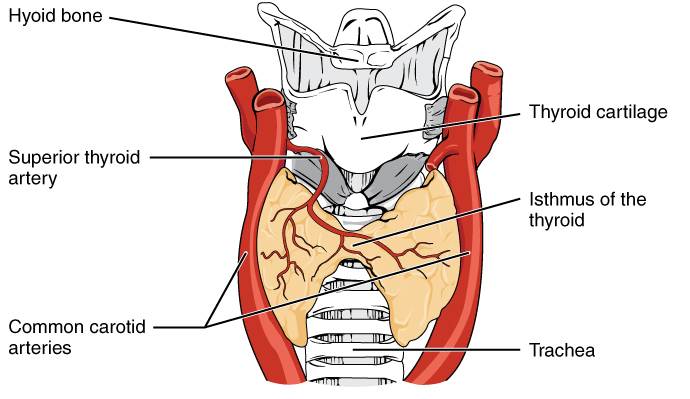
The thyroid gland, located at the base of your neck, is a crucial component of the endocrine system. It uses iodine from your diet to produce hormones that regulate metabolism, growth, and development. However, modern life exposes this sensitive gland to various environmental substances, often called endocrine-disrupting chemicals (EDCs), which may interfere with its normal function.

thyroid gland health

Understanding these factors is the first step toward supporting your thyroid health. This article provides an evidence-based overview of common environmental influences and offers nutritional strategies to help maintain thyroid resilience.

7 Environmental Factors That May Affect Thyroid Function

Research has identified several classes of chemicals that can potentially disrupt the delicate balance of thyroid hormone production and regulation. Consequently, being mindful of exposure is a key aspect of proactive health management.

1. Halogens (Fluoride, Chlorine, and Bromine)

Halogens are a group of chemically related elements that include iodine. Because fluoride, chlorine, and bromine have a similar atomic structure to iodine, they can competitively inhibit iodine uptake by the thyroid gland. According to research published in the journal Toxicological Sciences, this competition can reduce the amount of iodine available for hormone synthesis, particularly in individuals with low iodine intake.

  • Sources: Fluoridated drinking water, chlorinated swimming pools, brominated flame retardants in furniture and electronics, and some processed foods.

2. Perchlorates

Perchlorate is a chemical compound that also interferes with the thyroid’s ability to absorb iodine from the bloodstream. The Centers for Disease Control and Prevention (CDC) notes that it competitively blocks the sodium-iodide symporter (NIS), the primary channel for iodine entry into thyroid cells. Therefore, chronic exposure can be a concern for thyroid function.

  • Sources: Contaminated drinking water, rocket fuel, fireworks, and some fertilizers used on fruits and vegetables.

3. Pesticides

Certain pesticides, particularly organochlorines and fungicides, have been shown to possess endocrine-disrupting properties. For instance, studies indicate they can alter the levels of thyroid-stimulating hormone (TSH) and thyroid hormones (T3 and T4). Furthermore, they may interfere with the enzymes involved in hormone production and metabolism.

  • Sources: Conventionally grown produce, contaminated soil, and groundwater.

4. Phthalates and Bisphenols (from Plastics)

Bisphenol A (BPA) and phthalates are widely used in plastics, food can linings, and personal care products. These chemicals are known EDCs. A 2021 meta-analysis in the journal Environmental Pollution linked BPA exposure to altered thyroid hormone levels in adults. These substances are believed to disrupt thyroid function by binding to thyroid hormone receptors and interfering with their signaling pathways.

  • Sources: Plastic food containers, plastic water bottles, cash register receipts, and the lining of canned foods.

5. Heavy Metals

Heavy metals such as mercury, lead, and cadmium are systemic toxicants that can also impair thyroid health. They can generate oxidative stress, which damages thyroid cells. Moreover, research suggests they can interfere with the conversion of T4 (the inactive hormone) to T3 (the active hormone) and disrupt iodine uptake.

  • Sources: Industrial pollution, dental amalgams (mercury), contaminated fish, and old paint (lead).

6. Soy Isoflavones

While soy is a nutritious food for many, its isoflavones (genistein and daidzein) can act as goitrogens, substances that may interfere with thyroid hormone synthesis. Specifically, they can inhibit the activity of thyroid peroxidase (TPO), an enzyme crucial for producing thyroid hormones. This effect is most pronounced in individuals with pre-existing iodine deficiency or subclinical thyroid issues.

  • Sources: Tofu, soy milk, edamame, and soy-based protein powders.

7. Polychlorinated Biphenyls (PCBs)

Although banned in many countries, PCBs are persistent organic pollutants that remain in the environment. Their chemical structure is similar to thyroid hormones, allowing them to bind to transport proteins and receptors, thereby disrupting normal hormonal balance. The Environmental Protection Agency (EPA) recognizes PCBs as a significant environmental health concern.

  • Sources: Contaminated fish (especially from industrial areas), old electrical equipment, and contaminated soil.

Nutritional Strategies to Support Thyroid Resilience

While avoiding all environmental exposures is impossible, you can support your body’s resilience through targeted nutrition. A diet rich in specific nutrients is fundamental for optimal thyroid function. Additionally, certain herbal preparations may offer complementary support.

Antioxidant-Rich Cranberry and Spice Beverage

This beverage combines ingredients known for their antioxidant and anti-inflammatory properties. It is not a “detox” or a cure, but rather a healthful addition to a balanced diet designed to support overall wellness and reduce oxidative stress.

Ingredients:

  • 1 cup (240 ml) of unsweetened, organic cranberry juice
  • 7 cups (1.65 L) of filtered water
  • ¾ cup (180 ml) of freshly squeezed orange juice
  • ¼ cup (60 ml) of freshly squeezed lemon juice
  • ½ teaspoon of ground cinnamon
  • ¼ teaspoon of ground ginger
  • ¼ teaspoon of ground nutmeg

Preparation:

  1. Bring the 7 cups of water to a gentle boil in a saucepan.
  2. Add the cranberry juice, cinnamon, ginger, and nutmeg.
  3. Stir well, reduce the heat, and let the mixture simmer for 20 minutes.
  4. Remove from heat and allow it to cool to room temperature.
  5. Once cool, stir in the orange and lemon juices.
  6. Serve chilled, over ice if desired.

Administration Protocol and Safety Limits

  • Treatment duration: This beverage can be enjoyed as part of a healthy diet. For targeted use, consider consuming one glass daily for 1-2 weeks.
  • Mandatory break: It is not intended for continuous long-term use as a therapeutic agent. Rotate it with other healthy beverages like green tea or plain water.
  • Maximum daily dose for healthy adult: Limit consumption to 1-2 glasses (8-16 oz) per day to avoid excessive sugar intake, even from natural juices.
  • Timing: Can be consumed at any time of day, but individuals with acid reflux may wish to avoid it on an empty stomach due to the citrus content.

Specific Biological Limitation

The primary benefit of this drink comes from its high concentration of antioxidants, such as vitamin C from citrus and proanthocyanidins from cranberries. These compounds help combat oxidative stress, a factor that can contribute to thyroid inflammation. However, it does not directly “neutralize” or remove specific chemicals like perchlorates or heavy metals from the body. Its role is supportive, not curative.

Contraindications and Precautions

  • Diabetes: The natural sugars in the fruit juices can affect blood sugar levels. Monitor glucose closely or consult a healthcare provider.
  • Blood-thinning Medications: Cinnamon and ginger may have mild blood-thinning effects. Individuals taking anticoagulants like warfarin should consult their doctor before regular consumption.
  • Kidney Stones: Cranberry juice is high in oxalates, which may contribute to kidney stone formation in susceptible individuals.
  • Gastrointestinal Issues: The acidity from citrus and cranberry may aggravate conditions like GERD or gastritis.

Therapeutic Alternatives

If this beverage is not suitable, or for more targeted support, consider these evidence-based alternatives after consulting with a healthcare professional.

  1. Ashwagandha (Withania somnifera): This adaptogenic herb has been studied for its potential to support thyroid function, particularly in cases of subclinical hypothyroidism. A 2018 study in the Journal of Alternative and Complementary Medicine found that ashwagandha root extract significantly improved TSH, T3, and T4 levels compared to a placebo.
  2. Selenium-Rich Foods: Selenium is a critical mineral for converting T4 to the active T3 hormone and protecting the thyroid from oxidative damage. Excellent food sources include Brazil nuts, tuna, sardines, and eggs.
  3. Bladderwrack (Fucus vesiculosus): A type of seaweed, bladderwrack is a natural source of iodine. It has been traditionally used for thyroid support. However, it must be used with extreme caution, as iodine content can vary widely, and overconsumption can worsen or cause thyroid problems. It may also be contaminated with heavy metals. Professional guidance is essential.

Recent Medical Research (2020-2026)

Recent research continues to strengthen the link between EDCs and thyroid health. A 2021 systematic review highlighted the significant impact of exposure to phthalates, BPA, and pesticides on thyroid hormone disruption in pregnant women and children. Furthermore, studies are increasingly focusing on the “cocktail effect,” where exposure to multiple low-dose chemicals simultaneously may have a greater impact than exposure to a single chemical. The current scientific consensus is that minimizing exposure to known EDCs is a prudent public health strategy.

Specialist’s Summary

Numerous environmental chemicals, including halogens, pesticides, and plastic-derived compounds, may interfere with thyroid function by disrupting iodine uptake and hormone synthesis. While no single drink can “neutralize” these toxins, a diet rich in antioxidants and essential nutrients like selenium and iodine can support the thyroid’s natural resilience. For targeted botanical support, adaptogens like Ashwagandha show promise, but professional consultation is crucial before starting any new supplement regimen, especially for those with existing thyroid conditions.

Frequently Asked Questions

Can I improve my thyroid health with diet alone?
Diet is a foundational component of thyroid health, providing essential building blocks like iodine and selenium. However, it cannot replace medical treatment for diagnosed thyroid disorders like Hashimoto’s disease or Graves’ disease. It should be used as a complementary strategy alongside conventional care.

How can I reduce my exposure to these environmental toxins?
Simple steps include filtering your drinking water, choosing organic produce when possible, using glass or stainless steel food containers instead of plastic, and opting for natural cleaning and personal care products.

Is soy always bad for the thyroid?
Not necessarily. For individuals with adequate iodine levels and healthy thyroid function, moderate consumption of whole soy foods is generally considered safe. The potential for disruption is highest in those with an underlying iodine deficiency or pre-existing thyroid imbalance.

Sources and References

  1. Choi, S., Kim, J., Lim, J., & Kim, S. (2021). Association between exposure to bisphenol A and thyroid function: A systematic review and meta-analysis. Environmental Pollution, 287, 117593.
  2. Sharma, A. K., Basu, I., & Singh, S. (2018). Efficacy and Safety of Ashwagandha Root Extract in Subclinical Hypothyroid Patients: A Double-Blind, Randomized Placebo-Controlled Trial. Journal of Alternative and Complementary Medicine, 24(3), 243–248.
  3. National Institute of Environmental Health Sciences (NIEHS). (n.d.). Endocrine Disruptors.
  4. American Thyroid Association (ATA). (n.d.). Thyroid and Environment.

⚠️ Important Medical Information

This article is for educational and informational purposes only and is not intended as medical advice, diagnosis, or treatment. The information provided about nutritional and herbal support is based on traditional use, preliminary research, and available scientific evidence, which may be limited.

Before making significant dietary changes or using herbal supplements:

  • Consult a qualified healthcare provider, especially if you have a diagnosed thyroid condition, are pregnant, breastfeeding, taking medications, or have other existing health issues.
  • Do not use this information as a substitute for prescribed medications or professional medical treatment for thyroid disease.
  • Individual results may vary – what works for one person may not work for another.
  • Monitor for adverse reactions and discontinue use if negative symptoms occur.

Regulatory status: The ingredients and supplements mentioned are generally considered dietary supplements or foods and have not been evaluated by the FDA for treating, curing, or preventing any disease.


You may also like

1 comment

Patricia Wade
Patricia Wade November 5, 2015 - 21:26

How often does one need to drink this and how long can you keep it for? Just a little vague to me

Reply

Leave a Comment