Natural Psoriasis Support: Understanding Triggers and Safe Home Remedies

by Andreea Smiterson
0 comments
A+A-
Reset

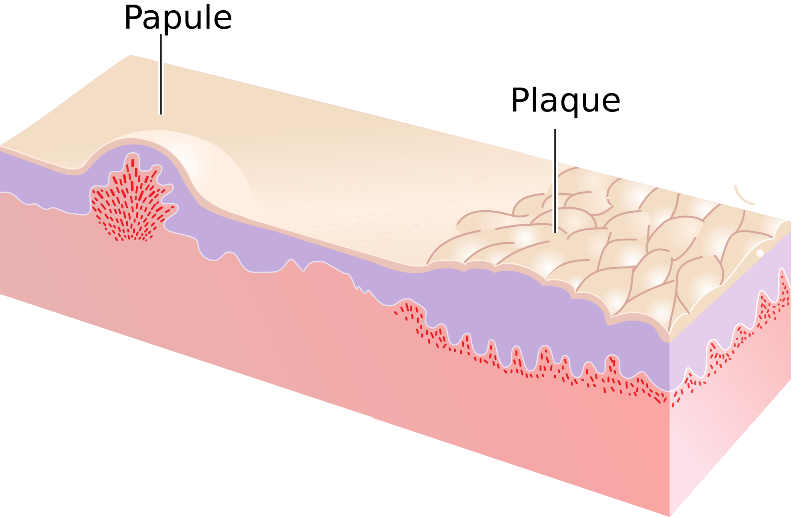
Psoriasis is a chronic autoimmune condition characterized by the rapid overproduction of skin cells, leading to the formation of inflamed, scaly, and often itchy patches known as plaques. While there is no cure, managing the condition involves a combination of medical treatments and lifestyle adjustments aimed at controlling symptoms and reducing the frequency of flare-ups.

Furthermore, understanding and avoiding common triggers is a foundational step in managing psoriasis effectively. This article provides an evidence-based overview of key triggers to avoid and explores complementary natural remedies, emphasizing safety protocols and scientific support.

psoriasis causes and home remedies

7 Common Psoriasis Triggers to Manage

Identifying and mitigating personal triggers is crucial for minimizing psoriasis flare-ups. While triggers can vary between individuals, clinical observations have identified several common factors.

1. Psychological Stress

Significant psychological stress is a well-documented trigger for psoriasis. Indeed, stress activates the hypothalamic-pituitary-adrenal (HPA) axis, leading to the release of cortisol and other hormones that can dysregulate the immune system and promote inflammation. Consequently, incorporating stress-reduction techniques such as mindfulness, meditation, or yoga may help manage symptoms.

2. Alcohol Consumption

Research suggests a strong link between alcohol consumption, particularly heavy drinking, and an increased risk and severity of psoriasis. Alcohol can disrupt immune pathways and promote inflammation. Therefore, limiting or avoiding alcohol is a recommended lifestyle modification for individuals with this condition.

3. Certain Medications

Some pharmaceutical drugs are known to induce or exacerbate psoriasis. These include lithium, certain beta-blockers used for high blood pressure, antimalarials, and the rapid withdrawal of systemic corticosteroids. It is essential to discuss all medications with your healthcare provider to identify potential triggers.

4. Skin Injury (Koebner Phenomenon)

An injury to the skin, such as a cut, scrape, insect bite, or even a severe sunburn, can trigger a psoriatic flare at the site of the trauma. This reaction is known as the Koebner phenomenon. As a result, protecting the skin from injury by wearing gloves during manual tasks or using insect repellent can be a valuable preventive measure.

5. Infections

Systemic infections, especially streptococcal infections like strep throat, are known to trigger guttate psoriasis, a form of psoriasis characterized by small, drop-like lesions. The immune system’s response to the infection can mistakenly target skin cells, initiating a flare-up.

6. Cold, Dry Weather

Cold and dry weather conditions can strip the skin of its natural moisture, leading to increased dryness, cracking, and itching, which can worsen psoriasis. In contrast, warm, humid climates often improve symptoms. Using a humidifier indoors during winter can help maintain skin hydration.

7. Sunburn

While controlled, small doses of natural sunlight or medical phototherapy can be beneficial for psoriasis, a sunburn is a form of skin injury that can cause a significant flare-up due to the Koebner phenomenon. Therefore, it is crucial to avoid overexposure and always use a broad-spectrum, mineral-based sunscreen suitable for sensitive skin.

Evidence-Based Natural Remedies for Psoriasis Support

The following remedies may offer complementary support for managing psoriasis symptoms. However, they are not a substitute for medical treatment prescribed by a dermatologist.

Topical Phytotherapy: Mahonia aquifolium (Oregon Grape)

Mahonia aquifolium has been traditionally used for inflammatory skin conditions and is one of the most studied botanicals for the topical management of mild to moderate psoriasis.

Its primary active compounds, such as berberine, are alkaloids that research suggests may help by inhibiting keratinocyte proliferation (the rapid growth of skin cells) and reducing inflammation. A meta-analysis published in the Journal of the American Academy of Dermatology confirmed that topical preparations containing 10% Mahonia extract were effective in reducing the severity of psoriasis symptoms.

Administration Protocol and Safety Limits

  • Application: Apply a thin layer of 10% Mahonia aquifolium cream to the affected areas 2-3 times daily.
  • Treatment Duration: Continuous use for up to 12 weeks has been studied for efficacy. Follow product instructions or a practitioner’s advice.
  • Maximum Dose: Do not apply to large areas of the body (over 20% of body surface area) without medical supervision.
  • Overdose Risk: Excessive topical use is unlikely to cause systemic toxicity, but may lead to localized skin irritation.

Contraindications and Precautions

  • Absolute Contraindications: Do not use if you have a known allergy to Mahonia or other plants in the Berberidaceae family. Avoid application on open, weeping, or infected skin lesions.
  • Vulnerable Populations: The safety during pregnancy, breastfeeding, or in children has not been established. Consult a healthcare provider before use.
  • Adverse Effects: Mild, localized side effects such as itching, burning, or redness may occur upon initial application but typically subside. Discontinue use if irritation persists.

Therapeutic Baths: Colloidal Oatmeal and Dead Sea Salts

Therapeutic baths can help soften scales, reduce itching, and calm inflamed skin. Instead of anecdotal remedies like milk, evidence supports the use of specific additives.

  • Colloidal Oatmeal: Made from finely ground oats, colloidal oatmeal contains avenanthramides, compounds with potent anti-inflammatory and antioxidant properties. It helps form a protective barrier on the skin, reducing water loss and soothing irritation. Add one cup to a lukewarm bath and soak for 15-20 minutes.
  • Dead Sea Salts: Unlike regular sea salt, Dead Sea salts are rich in magnesium and other minerals that have been shown to improve skin barrier function and reduce inflammation. Studies indicate that regular bathing in Dead Sea salt solutions can significantly improve psoriasis symptoms. Add 1-2 cups to a lukewarm bath and soak for 15 minutes.

Safety Protocol: Always use lukewarm, not hot, water, as hot water can strip the skin of its natural oils and worsen dryness. After bathing, gently pat the skin dry and immediately apply a thick, fragrance-free moisturizer to lock in hydration.

Nutritional Support: Omega-3 Fatty Acids

Omega-3 fatty acids, particularly eicosapentaenoic acid (EPA) and docosahexaenoic acid (DHA) found in fish oil, are well-known for their anti-inflammatory properties. They work by competing with arachidonic acid in inflammatory pathways, leading to the production of less potent inflammatory mediators.

A systematic review published in the Journal of the American Academy of Dermatology in 2020 found that high-dose omega-3 supplementation showed potential benefits in reducing psoriasis severity, particularly redness and scaling.

Administration Protocol and Safety Limits

  • Form: High-quality fish oil supplements with a high ratio of EPA to DHA are preferred.
  • Dosage: Doses used in clinical trials for psoriasis range from 2 to 4 grams of combined EPA and DHA per day. Starting with a lower dose and gradually increasing is advisable.
  • Maximum Daily Dose: Do not exceed 5 grams per day from supplements without medical supervision due to an increased risk of bleeding.
  • Timing: Take with meals to minimize gastrointestinal side effects like fishy burps or indigestion.

Contraindications and Precautions

  • Major Drug Interactions: Omega-3s have blood-thinning properties. Use with caution and consult a doctor if you are taking anticoagulant or antiplatelet medications such as warfarin, clopidogrel, or aspirin.
  • Vulnerable Populations: While generally safe, consult a healthcare provider before giving high doses to children or during pregnancy.
  • Adverse Effects: Common side effects include fishy aftertaste, bad breath, heartburn, and nausea. Using enteric-coated capsules can help reduce these.
  • When to Stop: Discontinue use at least two weeks before any scheduled surgery to reduce the risk of excessive bleeding.

Therapeutic Alternatives

If the above options are unsuitable or ineffective, other evidence-based approaches can be considered under medical guidance.

  1. Topical Vitamin D Analogues (Calcipotriene): This is a standard prescription treatment. These synthetic forms of vitamin D work by slowing the growth of skin cells. They are often used in combination with topical corticosteroids.
  2. Coal Tar Preparations: One of the oldest treatments for psoriasis, coal tar can help slow the rapid growth of skin cells and reduce inflammation and scaling. It is available in over-the-counter shampoos, creams, and oils. However, it can be messy and has a strong odor.
  3. Phototherapy (Light Therapy): Under medical supervision, regular exposure to specific wavelengths of ultraviolet (UV) light can effectively treat psoriasis. This is typically administered in a clinical setting.

Specialist’s Summary

Psoriasis management requires a multifaceted approach focused on avoiding known triggers and using evidence-based therapies to control symptoms. Topical botanicals like Mahonia aquifolium offer a well-researched option for mild to moderate cases, while nutritional support with omega-3 fatty acids can help manage systemic inflammation. These natural approaches should complement, not replace, conventional medical care. Always consult a dermatologist to create a safe and effective treatment plan tailored to your specific needs.

Frequently Asked Questions

1. Can changing my diet cure psoriasis?

No, diet cannot cure psoriasis, as it is an autoimmune condition. However, many people find that an anti-inflammatory diet—rich in fruits, vegetables, lean proteins, and omega-3s, while limiting processed foods, red meat, and alcohol—can help reduce the severity and frequency of flare-ups.

2. Is Oregon Grape (Mahonia aquifolium) cream safe for long-term use?

Studies have evaluated its use for up to 12 weeks with a good safety profile. For use beyond this period, it is best to consult with a healthcare provider or dermatologist to monitor progress and ensure it remains the appropriate treatment for your condition.

3. Are essential oils effective for psoriasis?

There is very limited scientific evidence to support the use of essential oils for psoriasis. Many essential oils can be potent skin irritants and may worsen inflammation or trigger allergic reactions, especially on compromised psoriatic skin. It is safer to use well-researched topical products.

4. Is Mahonia aquifolium safe for children or during pregnancy?

The safety of topical Mahonia aquifolium has not been established in children, pregnant women, or breastfeeding mothers. Due to the lack of data, its use is not recommended in these populations without explicit approval from a qualified healthcare provider.

Sources and References

Recent Studies (2020-2026):

  1. Ford, A. R., et al. (2020). Effects of n-3 fatty acid supplementation on psoriasis: a systematic review and meta-analysis of randomized controlled trials. Journal of the American Academy of Dermatology.
  2. Deng, S., et al. (2021). Efficacy and safety of indigo naturalis in patients with psoriasis: a systematic review and meta-analysis. Evidence-Based Complementary and Alternative Medicine.

Official Monographs & Reviews:

  • National Psoriasis Foundation. (2023). Herbal and Natural Remedies.
  • World Health Organization (WHO). (2002). WHO Monographs on Selected Medicinal Plants – Volume 2.

⚠️ Important Medical Information

This article is for educational and informational purposes only and is not intended as medical advice, diagnosis, or treatment. The information provided about natural remedies for psoriasis is based on traditional use and scientific evidence, which may be limited or evolving.

Before using any new supplement or topical treatment:

  • Consult a qualified healthcare provider or dermatologist, especially if you are pregnant, breastfeeding, taking medications, or have existing health conditions.
  • Do not use this information as a substitute for prescribed medications or professional medical treatment for psoriasis.
  • Individual results may vary – what works for one person may not work for another.
  • Perform a patch test with any new topical product to check for sensitivity and discontinue use if negative symptoms occur.


You may also like

Leave a Comment