5 combinations of honey that work wonders for your health and beauty!
Honey is a natural ingredient that is packed with numerous health benefits. It exerts positive effect on the body even when used in combination with other food. We bring you 5 such powerful combinations of honey that work wonders on your health and beauty.
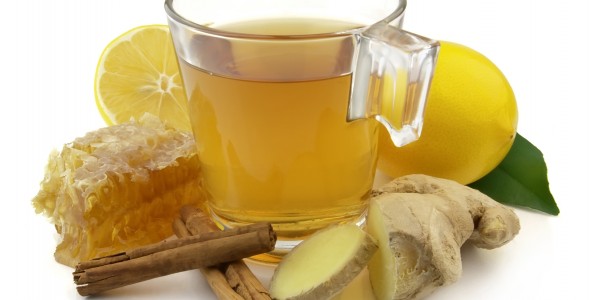
1. Honey and lemon
This is one of the best natural remedies that plays a key role in dealing with various health issues and skin problems. Here’s how you can use it –
Digestion: If you are suffering from indigestion, drink lemon juice with honey to attain relief. Lemon contains antioxidants that flushes out the harmful toxins from the body and honey helps the growth of good bacteria in the intestine aiding in the digestive process.
How to use it: To a spoonful of freshly squeezed lemon juice, add four to five drops of honey and drink this solution. Do this every morning for better results.
Acne: One of the key causes of acne is excess secretion of oil and harmful effects of toxins produced by bacteria. Lemon is packed with antioxidants that clear toxins from the body and honey exerts soothing effect on the skin.
How to use it: Prepare a mixture of honey and lemon juice by mixing equal quantities of both the ingredients. Apply this mixture on the acne and wash it off after 10 minutes. Do this regularly.
Dry skin: Dry skin is mainly caused due to less secretion of oil in the body. Apply face-pack containing honey and lemon to as honey moisturises the skin and lemon helps in maintaining oil secretion in the body.
How to use it: Mix one spoonful of honey to half a spoon of fresh lemon juice and apply this mixture on the skin. Wash your skin after 15 minutes for soft and glowing skin.
Callus: The cleansing property of lemon when coupled with the moisturising ability of honey acts as an effective home remedy to treat callus.
How to use it: Firstly, wash your feet and apply a mixture of lemon and honey on the callus. After 20 minutes, gently scrub your feet using a pumice stone to get rid of callus.
2. Honey and apple cider vinegar
Apple cider vinegar when coupled with honey can help in relieving a wide range of health issues. Here’s how you can try this combo as a natural aid to deal with various problems.
Swellings on the skin: The anti-inflammatory action of apple cider vinegar help heal irritated skin and softens the skin. Whereas, honey exerts a soothing effect on the affected area.
How to use it: Apply a drop of honey on the affected area and dab a cotton ball dipped in undiluted vinegar over the skin. Wash the skin after five minutes. Do this every two to three hours for few days for visible results.
Dandruff: Apple cider vinegar contains powerful enzymes that help kill bacteria and fungus that cause dandruff. It also helps to open up clogged pores and acts as a mild conditioner for your hair.
How to use it: Apply a mixture of honey and vinegar onto your scalp with a cotton ball and gently massage your head. Now, wrap your hair in a bun and cover it with a warm towel so that that pores of your scalp open up. This allows vinegar to percolate into the skin, thereby helping you to banish dandruff.
Gout: As gout is mainly caused due to increased levels of uric acid in the body, use of apple cider vinegar and honey helps in relieving its symptoms. Being packed with antioxidants and flavonoids, use of honey and apple cider vinegar increases the excretion of uric acid from the body.
How to use it: Add a teaspoon each of vinegar and honey to a glass of warm water and drink this solution daily to get relief. This acts as a natural aid to treat gout.
Acne scars: The alpha-hydroxy acids and acetic acid content present in apple cider vinegar reduce pores on the skin, detoxify the skin and relieves inflammation. In combination with antibacterial activity of honey, it helps in reducing acne scars.
How to use it: Add half a spoon of honey to a spoonful of apple cider vinegar solution. Apply this solution to scars with the help of a cotton ball at night and wash your face after 15 minutes. If done on regularly, it lightens acne scars.
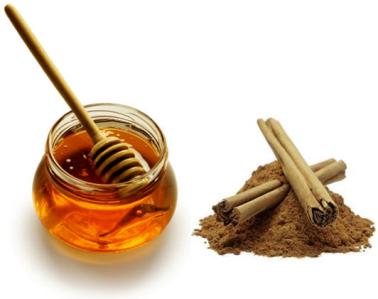
3. Honey and cinnamon
It is a perfect combination that contains antibacterial properties in addition to rendering soothing effect on the body. Here’s how to reap its benefits for various health problems –
Pimples: The antibacterial properties of honey when combined with anti-oxidants compounds of cinnamon plays a key role in fighting against pimples. Apart from this, honey also moisturises your skin.
How to use it: Make a fine paste of cinnamon powder by adding little honey. Apply this paste on each pimple in the night and allow it to remain overnight. Wash off your face the next morning with lukewarm water. Do this for a few days till you see results.
Healthy heart: Cinnamon contains fibre and calcium, which help transport bile salts outside the body by breaking down cholesterol. This lowers cholesterol levels in the body thereby protecting the heart from various complications. Whereas, honey is rich in antioxidants that prevent heart diseases.
How to use it: Add a pinch of cinnamon powder to a cup of boiling water. Strain the ingredients, add a teaspoon of honey to the tea. Drink this solution around half an hour before eating your breakfast togive your heart a boost.
Cancer Prevention: Cinnamon contains anti-cancer components that inhibit multiplication of cancerous cells and gradually reduces their spread to other organs.Honey is also packed with cancer protecting compounds like phenols.
How to use it: To a pinch of cinnamon powder add few drops of honey to make it a fine paste. Consume this mixture on an empty stomach every day, preferably early morning, as your body can assimilate better.
4. Honey and clove
Clove contains antibacterial properties and numerous healthy nutrients that when combined with honey helps in relieving various health problems. Here are few ways you can use honey to deal with various health problems.
Sore throat: Being sticky in nature, honey coats the throat and triggers nerves that reduce sensitivity to cough impulse. The presence of antibacterial compounds in cloves relieves pain and infection associated with a sore throat.
How to use it: Add two-three cloves in a tablespoon of honey and let it stand for four to five hours. Remove the cloves and sip the honey. Do this regularly to attain quick relief from sore throat.
Clear skin: Cloves exerts anti-bacterial and anti-inflammatory properties that prevent attack of bacteria on the skin. Whereas, honey moisturizes the skin providing a fresh look to your skin.
How to use it: Crush a few cloves and add one tablespoon of honey and the juice of quarter lemon to the mix. Now apply this on your face and leave it on for about 20 minutes. Wash your face with cold water for a smooth and clear-looking skin.
Pimples: Honey creates a strong physical barrier to bacteria preventing infection of the skin. Cloves are packed with various antibacterial compounds and antioxidants that play a key role in flushing out toxins from the body.
How to use it: Mix a pinch of clove powder with a little honey to make a paste. Apply this paste on each pimple and keep it overnight. Wash off with lukewarm water the next morning. Repeat this process for a few days for pimple-free skin.
Mouth ulcers: Being a potent antiseptic and anti-inflammatory agent, cloves acts as an excellent curative aid for treatment of mouth sores. The anti-bacterial and soothing effect of honey helps in providing relief.
How to use it: Add few drops of honey to half a spoon of clove powder. Dab this mixture on the ulcers and keep it for few minutes. Do this at least three times a day to get rid of mouth ulcers.
5. Honey and ginger
Honey and ginger act as a powerful natural remedy to combat various health issues, including beauty and diseases. Here’s how you can use this combination for different conditions –
Digestion: Ginger inhibits production of intestinal gas (carminative effect) and helps break down proteins present in food. Whereas, honey is well-known for its ability to promote the growth of intestinal bacteria thereby aiding in digestion.
How to use it: Chew two to three small-sized pieces of ginger, that are coated with honey, in the morning to get rid of indigestion and various stomach complications.
Migraine: The anti-inflammatory compounds present in ginger inhibit the synthesis of prostaglandins that cause inflammation and pain thereby relieving a headache.
How to use it: You can either grate or chop ginger into few pieces. Add these pieces to a cup of boiling water and allow it to boil for around 10 to 15 minutes. Add honey to this solution and drink to attain instant relief from migraine.
Cough: Honey soothes the irritated throat linings, whereas ginger promotes salivation and mucus secretion. The combined effect of these ingredients relieve cough symptoms.
How to use it: Chop ginger into fine pieces and add them to a cup of boiling water, so that the quantity reduces to half the original volume. Strain the liquid, add one teaspoon of honey and drink when warm to get rid of cough.
Sinusitis: Known to have expectorant properties, ginger relieves a congested chest or sinuses. The presence of antibacterial compounds in honey helps to wipe out infections.
How to use it: Mix one teaspoon of dried ginger powder with half a spoon of honey. Consume this mixture twice a day to get relief from sinus problem.
Sexual health: Ginger is a very potent aphrodisiac that relieves impotency, premature ejaculation and spermatorrhea (excessive accidental ejaculation). Being rich in a mineral called boron, honey boosts production of testosterone.
How to use it: Take half a spoonful of ginger juice and consume it with one half-boiled egg and some honey. Repeat this once everyday, just before bed as it acts as a natural aphrodisiac, spicing up your sexual life.



