Evidence-Based Herbal Approaches for Managing Knee Pain

by Andreea Smiterson
0 comments
A+A-
Reset

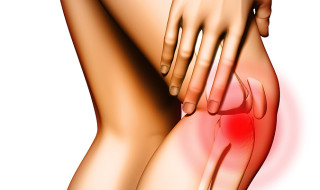
Knee pain is a common and often debilitating condition affecting individuals of all ages. It can result from acute injuries, chronic wear and tear, or underlying inflammatory conditions such as arthritis. While the pain can range from a mild ache to severe discomfort, it frequently impacts mobility and quality of life. Common causes include ligament injuries, meniscus tears, osteoarthritis, and weakened bone structure. Symptoms often extend beyond pain to include stiffness, swelling, redness, and difficulty walking or bearing weight.

It is crucial to obtain an accurate diagnosis from a healthcare professional before beginning any treatment regimen. Nevertheless, certain evidence-based phytotherapeutic remedies can offer significant symptomatic support when used correctly and safely as part of a comprehensive management plan. This article explores several botanical options with established analgesic and anti-inflammatory properties.

4 Ways to Get Rid of Knee Pain

1. Topical Capsaicin from Cayenne Pepper

Cayenne pepper contains a powerful compound called capsaicin, which is a well-documented topical analgesic. When applied to the skin, capsaicin initially causes a warming sensation. Subsequently, it works by depleting Substance P, a neurotransmitter that signals pain to the brain. As a result, regular application can significantly reduce localized pain perception over time.

A simple and effective preparation involves creating a therapeutic paste.

* Recipe: Combine two tablespoons of high-quality cayenne pepper powder with half a cup of warm olive oil or coconut oil. Stir thoroughly until a smooth paste is formed.
* Application: Gently apply a thin layer of this paste to the affected knee.

### Administration Protocol and Safety Limits
* Patch Test: Before the first full application, always perform a patch test on a small area of skin (e.g., the inner forearm) to check for excessive irritation or allergic reaction.
* Frequency: Apply the paste to the affected area up to twice daily.
* Duration: Consistent use for at least one to two weeks is often necessary to experience the full analgesic effect.
* Important: Always wash your hands thoroughly with soap and water after application to avoid transferring the capsaicin to your eyes, mouth, or other sensitive areas. Do not cover the treated area with a tight bandage or apply heat, as this can intensify the burning sensation and cause skin damage.

### Contraindications and Precautions
* Absolute Contraindications: Do not apply capsaicin to broken, irritated, or damaged skin.
* Adverse Effects: A burning sensation, stinging, and redness are common upon initial application but typically decrease with repeated use. If severe irritation, blistering, or swelling occurs, discontinue use immediately and wash the area with cool water and soap.

2. Oral Turmeric and Curcumin

Turmeric is a staple of traditional medicine, valued for its potent anti-inflammatory properties. Its primary active compound, curcumin, has been shown in numerous studies to modulate inflammatory pathways, such as inhibiting the COX-2 enzyme, which can help reduce pain and swelling associated with conditions like osteoarthritis. For effective absorption, curcumin should be consumed with a source of fat and piperine (from black pepper).

* Golden Milk Recipe: Gently heat one cup of milk (dairy or plant-based) with one teaspoon of turmeric powder, a pinch of black pepper, and half a teaspoon of ginger powder. Simmer for 5-10 minutes without boiling. You may add a small amount of honey for taste after it has cooled slightly. Consume once daily.

### Administration Protocol and Safety Limits
* Treatment Duration: You can use turmeric preparations for up to 8 weeks, followed by a mandatory break of at least 2-4 weeks.
* Maximum Daily Dose: For standardized curcumin supplements, a typical dose is 500 mg taken two to three times per day. Do not exceed the dosage recommended on the product label or by your healthcare provider.
* Administration Condition: Always consume turmeric or curcumin with a meal that contains fat and black pepper to maximize absorption and reduce the risk of gastrointestinal upset.

### Specific Biological Limitation
Curcumin stimulates gallbladder contraction to release bile. While this can aid digestion, it becomes problematic for individuals with bile duct obstruction or gallstones, as it may trigger a painful gallbladder attack.

### Contraindications and Precautions
* Absolute Contraindications: Individuals with gallstones or a bile duct obstruction should avoid turmeric supplements.
* Vulnerable Populations:
* Pregnancy: Avoid medicinal doses of turmeric, as it may stimulate the uterus.
* Children: Consult a pediatrician before administering supplements.
* Major Drug Interactions:

Drug Class Interaction Mechanism Potential Consequence
Anticoagulants/Antiplatelets (e.g., Warfarin, Aspirin) Curcumin has antiplatelet effects. Increased risk of bleeding and bruising.
Diabetes Medications May enhance the effect of these drugs. Increased risk of hypoglycemia (low blood sugar).

* When to Stop Immediately: Discontinue use at least two weeks before any scheduled surgery due to the increased risk of bleeding.

3. Topical Analgesic Oil Blend

Essential oils such as eucalyptus and peppermint can provide temporary relief from knee pain through their analgesic and counter-irritant properties. Eucalyptus oil contains eucalyptol, which has anti-inflammatory effects, while peppermint oil contains menthol, which creates a cooling sensation that can distract from deeper pain.

* Recipe: In a small, dark glass bottle, combine 2 tablespoons (30 ml) of a carrier oil like olive or jojoba oil. Add 5-7 drops of eucalyptus essential oil and 5-7 drops of peppermint essential oil. Shake well to combine.
* Application: Massage a small amount of the oil blend gently into the skin around the painful knee until it is absorbed.

### Administration Protocol and Safety Limits
* Dilution is Mandatory: Never apply undiluted essential oils directly to the skin. A 2-3% dilution (12-18 drops of essential oil per 30 ml of carrier oil) is standard for adults.
* Patch Test: Test the blend on a small patch of skin before widespread use to check for sensitivity.
* Frequency: Apply up to three times per day as needed for symptomatic relief.
* Storage: Store the blend away from direct sunlight and heat to preserve its therapeutic properties.

### Contraindications and Precautions
* Absolute Contraindications: Do not use on broken skin or open wounds. Avoid contact with eyes and mucous membranes. For external use only; never ingest essential oils.
* Vulnerable Populations:
* Pregnancy/Breastfeeding: Consult a healthcare professional before use.
* Children: Avoid using on children under 10, especially near the face, as menthol can cause respiratory distress in sensitive individuals.
* Asthma: Inhaling the vapors may trigger an asthma attack in some people.

4. Supportive Care: Hydrotherapy with Epsom Salts

Epsom salt, or magnesium sulfate, is traditionally used in warm baths to soothe sore muscles and joints. The primary therapeutic benefit for knee pain likely comes from the warm water itself, which increases blood flow, reduces stiffness, and promotes muscle relaxation. While evidence for significant transdermal (through the skin) absorption of magnesium is limited, the practice is a safe and effective way to achieve temporary pain relief and relaxation.

* Method: Add half a cup of Epsom salt to a warm bath. If a full bath is not feasible, you can use a large basin to create a concentrated soak for the knee.
* Application: Stir the water to dissolve the salt completely. Soak the affected knee for 15-20 minutes.

### Safety Protocol
* Frequency: This can be done several times a week as needed.
* Contraindications: Individuals with severe heart conditions, kidney disease, very high blood pressure, or open wounds should consult their doctor before using Epsom salt baths. People with diabetic neuropathy should be cautious with water temperature to avoid burns.

Therapeutic Alternatives

If the remedies above are not suitable or effective, consider these validated alternatives after consulting with a healthcare professional:

  • Boswellia serrata (Frankincense): This botanical extract contains boswellic acids, which are potent anti-inflammatory agents that inhibit the 5-LOX enzyme. It is particularly well-studied for osteoarthritis and is often better tolerated than NSAIDs.
  • Salix alba (White Willow Bark): As the original source of salicin, the precursor to aspirin, white willow bark provides analgesic and anti-inflammatory effects. It is a gentler alternative to synthetic NSAIDs but carries similar contraindications, especially regarding blood-thinning medications and allergies.
  • Pharmacological Options: Over-the-counter or prescription nonsteroidal anti-inflammatory drugs (NSAIDs) like ibuprofen or naproxen are standard first-line treatments for inflammatory knee pain. However, they should be used under medical guidance due to potential side effects.

Recent Medical Research (2020-2026)

Recent scientific inquiry continues to validate the use of these botanicals for joint pain management.

  • A 2021 meta-analysis published in Phytotherapy Research confirmed that curcumin is significantly more effective than a placebo in improving pain and function in patients with knee osteoarthritis, with a safety profile superior to nonsteroidal anti-inflammatory drugs.
  • Research in the Journal of Pain Research in 2022 highlighted the efficacy of topical capsaicin, noting that consistent application over several weeks is key to achieving sustained pain relief by desensitizing nerve fibers.

Current Limitations: While promising, more large-scale, long-term human trials are needed to establish standardized dosing protocols and fully understand the long-term safety of many herbal interventions.

Specialist’s Summary

Phytotherapy offers valuable tools for managing knee pain, particularly from inflammatory conditions like osteoarthritis. Topical capsaicin provides localized, nerve-based pain relief, while oral turmeric (curcumin) offers systemic anti-inflammatory benefits. These remedies can serve as effective adjuncts to conventional care but require strict adherence to safety protocols. They are not a substitute for a medical diagnosis and are contraindicated in specific populations and with certain medications, especially anticoagulants.

Frequently Asked Questions

Can these herbal remedies cure my knee arthritis?
No. These remedies do not cure underlying conditions like osteoarthritis. They are used to manage symptoms such as pain and inflammation, thereby improving function and quality of life. A comprehensive treatment plan from a healthcare provider is essential.

How long does it take for these remedies to work?
Topical remedies like capsaicin and essential oil blends may provide some immediate sensation of relief, but their full analgesic effect can take 1-2 weeks of consistent use. Oral supplements like turmeric may take 4-8 weeks to produce a noticeable reduction in inflammation and pain.

Is it safe to combine these remedies with my prescription pain medication?
You must consult your doctor or pharmacist before combining any herbal remedy with prescription medication. Turmeric, for instance, can interact dangerously with blood thinners and diabetes drugs. Always disclose all supplements you are taking to your healthcare team.

Sources and References

  1. Paultre, K., et al. (2021). Therapeutic effects of turmeric or curcumin extract on pain and function for individuals with knee osteoarthritis: a systematic review. BMJ Open Sport & Exercise Medicine.
  2. Wang, Y., et al. (2021). Efficacy and safety of curcumin and its derivatives in osteoarthritis: A meta-analysis of randomized controlled trials. Phytotherapy Research.
  3. Derry, S., et al. (2017). Topical capsaicin (high concentration) for chronic neuropathic pain in adults. Cochrane Database of Systematic Reviews.


You may also like

Leave a Comment