Willowherb for Prostate Health: Benefits, Uses, and Safety

by Andreea Smiterson
0 comments
A+A-
Reset

The prostate is a small gland in the male reproductive system, located just below the bladder and surrounding the urethra. As men age, particularly after 50, the prostate can undergo changes that may lead to urinary and other health issues. Therefore, understanding how to support prostate health becomes increasingly important.

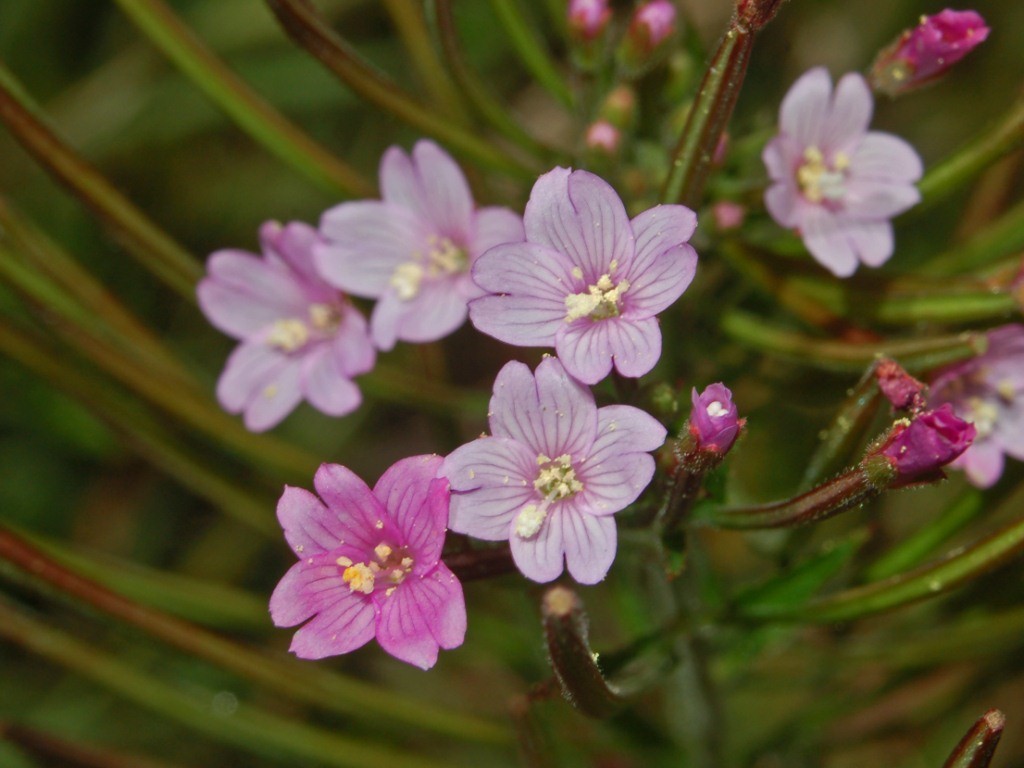
While a healthy lifestyle and medical check-ups are fundamental, some individuals explore traditional herbal medicine for supportive care. One such plant is Smallflower Hairy Willowherb (Epilobium parviflorum), which has a long history of use in European folk medicine for prostate-related complaints.

herbal treatment for prostate

Understanding Common Prostate Conditions

Before exploring herbal options, it’s essential to recognize the primary conditions affecting the prostate. Importantly, self-diagnosis is not recommended, and a consultation with a healthcare provider is necessary for an accurate diagnosis.

  • Benign Prostatic Hyperplasia (BPH): This is a non-cancerous enlargement of the prostate gland. As it grows, it can press on the urethra, leading to symptoms like a frequent need to urinate (especially at night), a weak urine stream, and difficulty starting or stopping urination.
  • Prostatitis: This refers to inflammation or swelling of the prostate gland, which can be caused by a bacterial infection (bacterial prostatitis) or other factors (chronic pelvic pain syndrome). Symptoms often include pain in the pelvic region, painful urination, and fever or chills in acute cases.

These conditions require proper medical evaluation. However, phytotherapy may offer a complementary role in managing symptoms, particularly for BPH.

How Willowherb May Support Prostate Health: A Scientific Look

Smallflower Hairy Willowherb is not a “cure-all,” but scientific research has identified several mechanisms through which it may help manage the urinary symptoms associated with BPH. Its primary benefits are attributed to active compounds, most notably a macrocyclic ellagitannin called oenothein B.

According to the European Medicines Agency (EMA) monograph on Epilobii herba, its traditional use for relieving lower urinary tract symptoms related to BPH is well-established. Research suggests its action is based on several properties:

  • Anti-inflammatory Effects: Chronic inflammation is a key factor in the progression of BPH. Studies indicate that extracts of willowherb can help reduce inflammatory markers, potentially easing swelling and pressure on the urethra.
  • Antioxidant Activity: The plant is rich in flavonoids and tannins that combat oxidative stress, which can damage prostate cells and contribute to enlargement.
  • Enzyme Inhibition: Some laboratory studies suggest that oenothein B can inhibit the enzymes 5-alpha-reductase and aromatase. These enzymes are involved in converting testosterone into hormones that stimulate prostate growth. By moderating their activity, willowherb may help slow the progression of BPH.

A critical note on cancer: While some preliminary *in-vitro* (test tube) studies have shown that willowherb extracts can slow the growth of certain cancer cells, this does not mean it can treat or prevent prostate cancer in humans. This herb is not a substitute for conventional cancer diagnosis or treatment. You must consult an oncologist for any concerns related to cancer.

Administration Protocol and Safety Limits

To use willowherb safely and effectively, it is crucial to follow a structured protocol. The most common method of administration is as an herbal tea (infusion).

How to Prepare Willowherb Tea

  1. Measure 1.5–2 grams (approximately one heaped teaspoon) of dried willowherb.
  2. Bring 200-250 ml (about one cup) of water to a boil.
  3. Pour the hot water over the herb in a cup or pot.
  4. Cover and let it steep for 10–15 minutes to allow for the proper extraction of active compounds.
  5. Strain the tea to remove the plant material before drinking.

Dosage and Duration

  • Frequency: Drink one cup of the freshly prepared tea twice daily.
  • Timing: It is best consumed between meals to optimize absorption and minimize potential stomach upset.
  • Treatment Duration: A typical course is 4 weeks of continuous use.
  • Mandatory Break: After each 4-week cycle, take a 1-2 week break before considering another course. This helps maintain the body’s responsiveness and reduces any potential for adverse effects.
  • Maximum Daily Dose: Do not exceed 4 grams of dried herb per day. Exceeding this dose does not increase benefits and may raise the risk of side effects.

Specific Biological Limitation

The primary mechanism of willowherb involves its influence on hormone metabolism, specifically the inhibition of 5-alpha-reductase and aromatase. While this effect is potentially beneficial for managing BPH symptoms, it also represents a biological limitation.

Technical Warning: Altering the activity of these enzymes can impact the balance of androgens and estrogens in the body. For this reason, its use is not recommended for individuals with known hormonal imbalances or those undergoing hormone replacement therapy without direct medical supervision. Its effects on the male hormonal system make it unsuitable for women and children.

Contraindications and Precautions

Before using willowherb, it is essential to be aware of its contraindications and potential risks.

Absolute Contraindications

  • Women and Children: Due to its effects on hormone metabolism, it is not recommended for women (especially during pregnancy or breastfeeding) or individuals under 18.
  • Known Allergy: Do not use if you have a known allergy to plants in the Onagraceae family.

Major Drug Interactions

Consult your healthcare provider before using willowherb if you are taking any of the following:

  • 5-alpha-reductase inhibitors (e.g., Finasteride, Dutasteride): Willowherb may have a similar mechanism of action, potentially leading to an additive effect or unpredictable interactions. Combining them without medical guidance is not advised.
  • Hormone Therapies: This includes testosterone replacement therapy or any other medication that affects hormonal balance.

Documented Adverse Effects

Willowherb is generally well-tolerated. However, some individuals may experience mild side effects, including:

  • Nausea
  • Stomach upset or discomfort
  • Loose stools

When to stop immediately: Discontinue use and consult a doctor if you experience any signs of an allergic reaction (rash, itching, swelling) or if gastrointestinal symptoms are severe or persistent.

Therapeutic Alternatives

If willowherb is not suitable for you, or if you are looking for other well-researched options, several alternatives exist for supporting prostate health.

Botanical Alternatives with Studies

  1. Saw Palmetto (Serenoa repens): This is one of the most studied herbs for BPH. Its berries contain compounds that inhibit 5-alpha-reductase and have anti-inflammatory properties, helping to improve urinary flow and reduce nighttime urination.
  2. Nettle Root (Urtica dioica): Often used in combination with saw palmetto, nettle root may help by binding to sex hormone-binding globulin (SHBG), which can prevent it from attaching to the prostate. It also has notable anti-inflammatory effects.
  3. Pygeum (Pygeum africanum): The bark of this African tree has been used for decades to relieve urinary symptoms of BPH, such as nocturia (nighttime urination) and poor stream.

Pharmacological Options

Conventional medical treatments for BPH are highly effective and include alpha-blockers (like tamsulosin) to relax bladder and prostate muscles, and 5-alpha-reductase inhibitors (like finasteride) to shrink the prostate. These are available only by prescription.

Recent Medical Research (2020-2026)

Modern research continues to investigate the traditional uses of *Epilobium* species. While large-scale human clinical trials are still limited, recent laboratory and review studies reinforce its potential mechanisms.

  • A 2020 review published in the journal Molecules highlighted the significant anti-inflammatory and antioxidant properties of oenothein B, confirming its role as the primary active compound in willowherb relevant to prostate health.
  • Further research continues to focus on isolating its compounds to better understand their specific effects on prostate cells. However, most experts agree that more robust, double-blind, placebo-controlled human trials are needed to establish definitive clinical efficacy and standardized dosing.

Current Scientific Verdict: There is moderate confidence from traditional use and preliminary scientific evidence that willowherb can help manage mild to moderate urinary symptoms of BPH. The evidence is not strong enough to recommend it as a standalone treatment for severe cases or as a replacement for conventional medicine.

Specialist’s Summary

Smallflower Hairy Willowherb (Epilobium parviflorum) is a traditional European remedy useful for supporting urinary function in men with mild BPH, with noticeable effects often appearing after several weeks of consistent use. Its primary action is linked to anti-inflammatory and hormone-modulating effects. However, it is contraindicated for women and children and requires caution when used alongside prostate medications like finasteride. Validated alternatives with stronger clinical evidence include Saw Palmetto and Nettle Root.

Frequently Asked Questions

Can willowherb cure BPH or shrink the prostate?
No. There is no evidence that willowherb can cure BPH or permanently shrink the prostate. Its primary role is to help manage and alleviate urinary symptoms associated with the condition, such as frequent or difficult urination.

How long does it take for willowherb tea to work?
Herbal remedies typically work gradually. Most users may begin to notice a modest improvement in urinary symptoms after 4 to 6 weeks of consistent daily use. Results vary significantly between individuals.

Is it safe to take willowherb with my prescription prostate medication?
You must consult your urologist or healthcare provider before combining willowherb with any prescription medication, especially drugs like finasteride or tamsulosin. Due to overlapping mechanisms, there is a potential for interaction that requires medical supervision.

Sources and References

  • European Medicines Agency (EMA). (2016). Community herbal monograph on Epilobium angustifolium L. and/or Epilobium parviflorum Schreb., herba.
  • Schepetkin, I. A., et al. (2020). The Ellagitannin Oenothein B and Its Role in Disease Prevention and Therapy. Molecules, 25(14), 3206.
  • Vogl, S., et al. (2013). Ethnopharmacological in vitro studies on Austria’s folk medicine–an unexplored lore in vitro anti-inflammatory activities of 71 Austrian traditional herbal drugs. Journal of Ethnopharmacology, 149(3), 750–771.

⚠️ Important Medical Information

This article is for educational and informational purposes only and is not intended as medical advice, diagnosis, or treatment. The information provided about Smallflower Hairy Willowherb is based on traditional use, preliminary research, and available scientific evidence, which may be limited.

Before using Smallflower Hairy Willowherb:

  • Consult a qualified healthcare provider, especially if you are taking medications or have existing health conditions like BPH or prostatitis. An accurate diagnosis is essential.
  • Do not use as a substitute for prescribed medications or professional medical treatment.
  • Individual results may vary – what works for one person may not work for another.
  • Monitor for adverse reactions and discontinue use if negative symptoms occur.

Regulatory status: Smallflower Hairy Willowherb is considered a dietary supplement/traditional remedy and has not been evaluated by the FDA for treating, curing, or preventing any disease.


You may also like

Leave a Comment