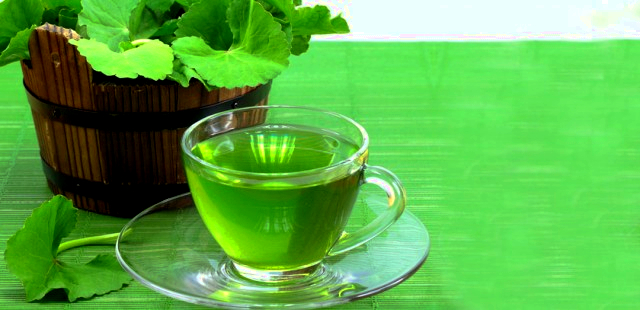
Gotu Kola for Brain Health and Veins: A Research-Based Guide

Learn how this traditional herb may support cognitive function and circulation, with evidence-based uses and safety protocols.

by Ciprian
0 comments
A+A-
Reset

Gotu Kola (Centella asiatica) is a staple herb in Traditional Chinese Medicine and Ayurveda, where it has been revered for centuries as a promoter of longevity and cognitive health. Often associated with the adage “an elephant never forgets,” due to it being a favored food of elephants, this plant is traditionally considered a “brain tonic.” However, modern research reveals its benefits extend beyond the nervous system, offering potential support for blood circulation, skin integrity, and connective tissue health.

Its therapeutic potential is attributed to a group of active compounds called triterpenoid saponins, including asiaticoside, madecassoside, and asiatic acid. These compounds are believed to be responsible for the herb’s neuroprotective, anti-inflammatory, and collagen-stimulating properties. This article will explore the evidence-based uses of Gotu Kola, focusing on its effects on the brain, veins, and skin, while providing clear safety guidelines for its use.

4 - Gotu kola

Potential Health Benefits of Gotu Kola

The traditional applications of Gotu Kola are now being investigated through modern clinical research. While many findings are promising, it is important to note that more extensive human trials are needed to confirm these effects definitively. The primary areas of interest fall into three main categories.

1. Cognitive Function and Nervous System Support

Traditionally used to enhance meditation and mental clarity, Gotu Kola is now studied for its neuroprotective effects. Research suggests it may support brain health in several ways:

  • Memory and Mood: A study published in the Journal of Alzheimer’s Disease indicated that extracts of Centella asiatica may help improve cognitive domains. Furthermore, it appears to have anxiolytic (anti-anxiety) effects, potentially by modulating the activity of certain neurotransmitters.
  • Neuroprotection: Laboratory studies suggest that the active compounds in Gotu Kola can help protect brain cells from oxidative stress and damage, which are contributing factors to age-related cognitive decline.
  • Nerve Growth: Some preliminary research indicates that Gotu Kola extracts may encourage dendritic growth, which is crucial for communication between brain cells. For this reason, it is being investigated for its potential role in conditions like Alzheimer’s disease and age-related dementia, although it is not a cure or treatment.

2. Circulatory and Venous Health

Gotu Kola is well-documented for its positive effects on the circulatory system, particularly in supporting the integrity of veins and capillaries. The European Medicines Agency (EMA) recognizes its traditional use for relieving symptoms of minor venous circulatory disturbances.

  • Chronic Venous Insufficiency (CVI): Clinical trials have shown that standardized extracts of Gotu Kola can help reduce symptoms of CVI, such as leg swelling (edema), pain, and the feeling of heavy legs. It works by strengthening the connective tissue within the walls of the veins.
  • Varicose Veins: By improving blood flow and reinforcing vascular walls, Gotu Kola may help manage the discomfort associated with varicose veins.
  • Microcirculation: It also appears to improve blood flow through the body’s smallest vessels (capillaries), which is beneficial for overall tissue health and wound healing.

3. Skin Health and Wound Healing

The same mechanisms that support veins also make Gotu Kola beneficial for skin and connective tissue repair.

  • Collagen Synthesis: Its active compounds stimulate the production of type I collagen, a vital protein for skin structure and elasticity. This makes it a popular ingredient in topical preparations for skin regeneration.
  • Wound and Burn Healing: By promoting collagen growth and improving blood supply to the affected area, Gotu Kola can accelerate the healing of wounds, burns, and ulcers.
  • Scar Reduction: Research suggests that applying Gotu Kola topically may help prevent the formation of excessive scar tissue (keloids) and improve the appearance of existing scars.

Administration Protocol and Safety Limits

To ensure both safety and efficacy, it is crucial to follow a structured administration protocol. Continuous, long-term use is not recommended without medical supervision.

Treatment Duration and Dosage

  • Treatment Cycle: A typical course of internal use should not exceed 6 to 8 weeks.
  • Mandatory Break: After each treatment cycle, a mandatory break of at least 2 to 4 weeks is necessary to allow the liver to rest.
  • Maximum Daily Dose: Dosages vary depending on the preparation. Always follow the product label or a healthcare provider’s recommendation.
    • Dried Herb (Tea): 1-2 grams steeped in hot water, up to three times daily.
    • Standardized Extract (Capsules): 60-120 mg of total triterpenoids per day, divided into two or three doses.
    • Tincture (1:2): 2-4 mL, up to three times daily.

Overdose Risk: Exceeding recommended doses may increase the risk of side effects such as headache, dizziness, and, in rare cases, may contribute to liver strain.

Administration Conditions

  • Timing: It is best taken with meals to reduce the chance of gastrointestinal upset.
  • Method of Consumption: Capsules should be taken with a full glass of water. Tea should be steeped for 10-15 minutes before consumption.
  • Incompatibilities: Avoid combining with sedative medications, as Gotu Kola may have a mild sedative effect, leading to excessive drowsiness.

Specific Biological Limitation

The primary biological limitation of Gotu Kola relates to its metabolism in the liver. The triterpenoid compounds are processed by hepatic enzymes. While generally safe in recommended doses for short periods, continuous high-dose or long-term use without breaks can potentially elevate liver enzymes in susceptible individuals. Therefore, anyone with pre-existing liver conditions should avoid this herb entirely.

Contraindications and Precautions

While Gotu Kola is generally well-tolerated, it is not suitable for everyone. Adhering to these contraindications is essential for safety.

Absolute Contraindications

  • Liver Disease: Individuals with hepatitis, cirrhosis, or any form of liver impairment should not use Gotu Kola due to the risk of hepatotoxicity.
  • Planned Surgery: Discontinue use at least two weeks before any scheduled surgery, as it may interact with anesthesia and other medications.
  • Allergy: Do not use if you have a known allergy to Centella asiatica or other plants in the Apiaceae family (like parsley, carrots, or celery).

Vulnerable Populations

  • Pregnancy: Gotu Kola is contraindicated during pregnancy as it may have emmenagogue effects (stimulating menstrual flow), posing a risk to the pregnancy.
  • Breastfeeding: There is insufficient safety data to recommend its use while breastfeeding.
  • Children: The safety of Gotu Kola in children has not been established. Consult a pediatrician before use.

Major Drug Interactions

  • Sedatives: Combining with sedative drugs (e.g., benzodiazepines, barbiturates) or other sedative herbs (e.g., Valerian, Kava) can cause excessive drowsiness.
  • Antidiabetic Drugs: Gotu Kola may affect blood sugar levels. Consequently, individuals on diabetes medication should monitor their glucose closely and consult their doctor.
  • Hepatotoxic Drugs: Avoid use with other medications known to be hard on the liver (e.g., high-dose acetaminophen, certain statins) to prevent cumulative damage.

Documented Adverse Effects

  • Common: Nausea, stomach upset, dizziness, and headache, particularly at higher doses.
  • Topical Use: Can cause contact dermatitis or skin rash in sensitive individuals. Always perform a patch test first.
  • Rare: Elevated liver enzymes have been reported in a few case studies involving long-term, high-dose use.

When to stop immediately: Discontinue use and consult a healthcare provider if you experience symptoms like jaundice (yellowing of skin or eyes), dark urine, or severe abdominal pain.

Therapeutic Alternatives

If Gotu Kola is not suitable for you, other botanicals with strong scientific backing may offer similar benefits.

  1. For Cognitive Support: Bacopa monnieri is another revered Ayurvedic herb with robust evidence for improving memory formation and recall. It works through different mechanisms than Gotu Kola, making it an excellent alternative for cognitive enhancement.
  2. For Venous Insufficiency: Butcher’s Broom (Ruscus aculeatus) is a well-researched herb specifically for venous health. Its active compounds, ruscogenins, are known to constrict veins, reduce inflammation, and strengthen blood vessel walls, making it highly effective for CVI and hemorrhoids.
  3. For Skin Healing: Calendula (Calendula officinalis) applied topically is a superb alternative for wound healing. It possesses anti-inflammatory, antimicrobial, and cell-regenerative properties that promote rapid and healthy skin repair without the systemic concerns of an internal herb.

Recent Medical Research (2020-2026)

Modern science continues to validate the traditional uses of Gotu Kola. Recent studies have focused on its neurological and dermatological applications.

  • A 2022 systematic review highlighted the potential of Centella asiatica in managing neurological disorders, emphasizing its antioxidant and anti-inflammatory actions in the brain. However, the authors called for more rigorous, large-scale human trials.
  • Research published in 2023 explored the mechanisms behind its wound-healing properties, confirming that madecassoside, one of its key compounds, plays a significant role in modulating collagen production and reducing inflammation during the skin repair process.

Current Limitations: While the evidence is promising, many studies are still preclinical (in vitro or animal models). We need more high-quality, double-blind, placebo-controlled human trials to establish definitive dosages and long-term safety profiles for specific conditions.

Specialist’s Summary

Gotu Kola (Centella asiatica) is a valuable herb primarily for supporting cognitive function and improving venous insufficiency, with moderate effects that typically appear after several weeks of consistent use. It is contraindicated for individuals with liver disease and during pregnancy. Furthermore, it has moderate interactions with sedative and antidiabetic medications. Validated alternatives include Bacopa monnieri for cognitive health and Butcher’s Broom for vein support.

Frequently Asked Questions

1. How long does it take for Gotu Kola to work?
Effects are not immediate. For cognitive benefits, consistent use for at least 4-6 weeks may be necessary to notice improvements. For venous insufficiency, some symptom relief (like reduced swelling) may be felt within 2-4 weeks.

2. Can I take Gotu Kola every day?
Daily use is recommended during a treatment cycle, which should not exceed 6-8 weeks. However, it is crucial to take a mandatory break of 2-4 weeks between cycles to prevent potential liver strain. It is not intended for indefinite daily consumption.

3. What is the difference between Gotu Kola and Brahmi?
This is a common point of confusion. In some regions, “Brahmi” refers to Gotu Kola (Centella asiatica). However, in classical Ayurveda, “Brahmi” most often refers to a different plant, Bacopa monnieri. Both are used for cognitive enhancement but have different primary actions and safety profiles.

4. Is Gotu Kola safe for children or during pregnancy?
No. Gotu Kola is contraindicated during pregnancy due to a potential risk to the fetus. Its safety in children has not been established, and it should not be administered without professional medical guidance. Likewise, it should be avoided while breastfeeding due to a lack of safety data.

Sources and References

This article relies on information from official monographs and peer-reviewed scientific studies. For further reading, consult the resources below.

  • European Medicines Agency (EMA). (2010). Community herbal monograph on Centella asiatica (L.) Urban, herba.
  • Gohil, K. J., Patel, J. A., & Gajjar, A. K. (2010). Pharmacological Review on Centella asiatica: A Potential Herbal Cure-all. Indian journal of pharmaceutical sciences, 72(5), 546–556.
  • Puttarak, P., Dilokthornsakul, P., Saokaew, S., Dhippayom, T., Kongkaew, C., Sruamsiri, R., Chuthaputti, A., & Chaiyakunapruk, N. (2017). Effects of Centella asiatica (L.) Urb. on cognitive function and mood related outcomes: A Systematic Review and Meta-Analysis. Scientific reports, 7(1), 10646.

⚠️ Important Medical Information

This article is for educational and informational purposes only and is not intended as medical advice, diagnosis, or treatment. The information provided about Gotu Kola (Centella asiatica) is based on traditional use, preliminary research, and available scientific evidence, which may be limited.

Before using Gotu Kola:

  • Consult a qualified healthcare provider, especially if you are pregnant, breastfeeding, taking medications, or have existing health conditions like liver disease.
  • Do not use as a substitute for prescribed medications or professional medical treatment.
  • Individual results may vary – what works for one person may not work for another.
  • Monitor for adverse reactions and discontinue use if negative symptoms occur.


You may also like

Leave a Comment