Important Note: This article is for informational purposes only. The herbs discussed here are subjects of scientific research but are not a cure for stomach cancer. Always consult with a qualified oncologist and healthcare provider before considering any herbal supplement, especially if you are undergoing conventional cancer treatment. Never use herbs as a replacement for prescribed medical care.
Stomach cancer, medically known as gastric cancer, is a serious condition influenced by various factors. According to medical authorities like the National Cancer Institute, established risk factors include a family history of the disease, chronic infection with Helicobacter pylori bacteria, long-term gastritis (stomach inflammation), and lifestyle choices such as smoking. Common symptoms can include abdominal pain, a persistent feeling of fullness after small meals, difficulty swallowing, and unexplained weight loss.
While conventional medical treatments like surgery, chemotherapy, and radiation are the primary, evidence-based approaches to treating stomach cancer, scientific interest in the potential supportive role of certain botanicals is growing. Researchers are investigating how specific plant compounds might influence cellular health and support the body. However, it is crucial to approach this topic with caution and a clear understanding of the current evidence.

This article explores four herbs that have been examined in laboratory or clinical research for their properties related to cellular health and immune function. We will discuss the science, traditional uses, and critical safety protocols for each.
1. Garlic (Allium sativum)
Garlic has been a staple in both culinary and traditional medicine systems for centuries. Modern research has focused on its organosulfur compounds, such as allicin, which are released when a clove is crushed or chopped. These compounds are believed to be responsible for many of its potential health effects.
Scientific Context: Laboratory (in vitro) studies have shown that garlic extracts can induce apoptosis (programmed cell death) in cancer cell lines. Furthermore, some large-scale population studies have suggested a correlation between high dietary intake of garlic and a reduced risk of developing certain cancers, including stomach cancer. For instance, a meta-analysis published in the Journal of Cancer Research and Therapeutics indicated that consumption of Allium vegetables, including garlic, was associated with a lower risk of gastric cancer. However, these are observational findings and do not prove causation.
Administration Protocol and Safety Limits
- Treatment Duration: For supplemental use, consider cycles of 3 months followed by a 1-month break. Dietary use can be continuous.
- Maximum Daily Dose: For a healthy adult, the general recommendation is up to 4 grams (one to two cloves) of fresh garlic per day. Standardized extracts should be taken according to manufacturer instructions, typically not exceeding 1,200 mg daily in divided doses.
- Administration Condition: To maximize allicin formation, let crushed or chopped garlic sit for 10 minutes before cooking. For supplements, take with meals to reduce potential gastrointestinal upset.
Specific Biological Limitation
Garlic’s active compounds have antiplatelet (blood-thinning) properties. While this can be beneficial for cardiovascular health, it poses a significant risk for individuals with bleeding disorders or those taking anticoagulant medications, as it can excessively inhibit blood clotting and increase the risk of hemorrhage.
Contraindications and Precautions
- Absolute Contraindications: Do not use high-dose garlic supplements if you have a bleeding disorder or are scheduled for surgery within two weeks.
- Major Drug Interactions: Garlic can interact with anticoagulants (e.g., Warfarin) and antiplatelet drugs (e.g., Clopidogrel), increasing bleeding risk. It may also interfere with the efficacy of some HIV medications (e.g., Saquinavir).
- Adverse Effects: Common side effects include breath and body odor, heartburn, and stomach upset, especially when consumed raw on an empty stomach.
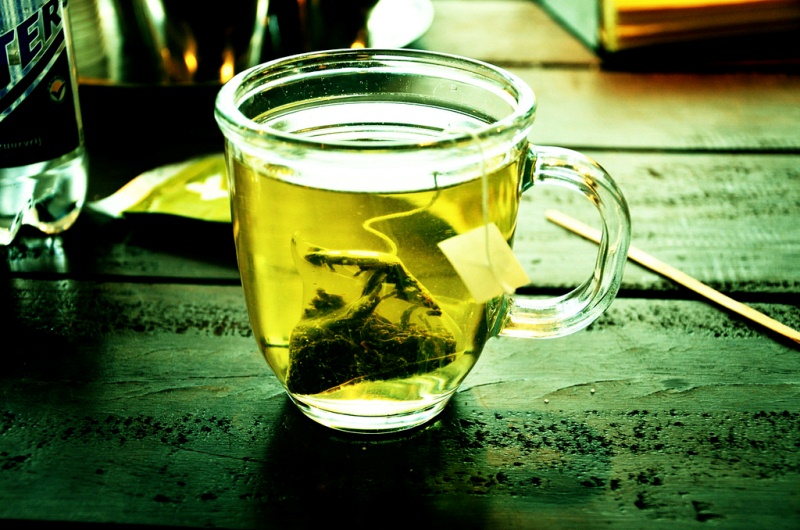
2. Green Tea (Camellia sinensis)
Green tea is one of the most widely consumed beverages globally, valued for its high concentration of polyphenols known as catechins. The most researched of these is epigallocatechin-3-gallate (EGCG), a potent antioxidant.
Scientific Context: Laboratory research has extensively documented the antioxidant properties of EGCG, showing it can help neutralize free radicals and reduce oxidative stress, a factor implicated in cancer development. Some preclinical studies suggest EGCG may inhibit tumor cell proliferation and angiogenesis (the formation of new blood vessels that feed tumors). However, human clinical trials have yielded mixed and often inconclusive results regarding its role in cancer prevention or treatment.
Administration Protocol and Safety Limits
- Treatment Duration: As a beverage, it can be consumed daily. For concentrated extracts, follow a 3-month-on, 1-month-off cycle.
- Maximum Daily Dose: Drinking 3 to 5 cups of brewed green tea per day is generally considered safe. The intake of concentrated EGCG from supplements should not exceed 800 mg per day, as higher doses are linked to potential liver toxicity.
- Administration Condition: Drink between meals to avoid interference with iron absorption. Do not consume on an empty stomach if you are prone to acid reflux.
Specific Biological Limitation
The tannins in green tea can bind to non-heme iron (the type found in plant-based foods), significantly reducing its absorption. This can be problematic for individuals with or at risk of iron-deficiency anemia, such as vegetarians, vegans, and menstruating women.
Contraindications and Precautions
- Absolute Contraindications: High-dose green tea extract supplements are contraindicated for individuals with pre-existing liver conditions.
- Vulnerable Populations: Due to its caffeine content, excessive consumption should be avoided during pregnancy and breastfeeding.
- Major Drug Interactions: Green tea may reduce the effectiveness of the beta-blocker nadolol and may interact with blood thinners. Its vitamin K content could potentially interfere with Warfarin.
- Adverse Effects: Side effects are typically related to caffeine and may include insomnia, anxiety, or heart palpitations.
3. Panax Ginseng (Asian Ginseng)
A cornerstone of Traditional Chinese Medicine (TCM), Panax ginseng is an adaptogen, meaning it is believed to help the body resist various stressors. Its primary active components are called ginsenosides.
Scientific Context: Research has primarily focused on ginseng’s potential to improve quality of life and reduce fatigue in cancer patients undergoing treatment. A 2021 study in the Journal of Ginseng Research reviewed evidence suggesting that ginsenosides may have immunomodulatory effects. Some lab studies have indicated that certain ginsenosides can inhibit the growth of gastric cancer cells, but this has not been replicated as a treatment in human trials.
Administration Protocol and Safety Limits
- Treatment Duration: Typically used in cycles, such as 4-6 weeks of use followed by a 2-week break, to maintain efficacy and reduce side effects.
- Maximum Daily Dose: For standardized extracts (containing 4-7% ginsenosides), doses range from 200 to 400 mg daily. For dried root, 1-2 grams per day is common.
- Administration Condition: Best taken in the morning to avoid potential sleep disturbances.
Specific Biological Limitation
Some ginsenosides exhibit weak phytoestrogenic activity, meaning they can mimic the effects of estrogen in the body. This is a critical consideration for individuals with hormone-sensitive conditions, as it could theoretically stimulate the growth of hormone-dependent cancer cells.
Contraindications and Precautions
- Absolute Contraindications: Avoid in cases of hormone-sensitive cancers (e.g., certain breast cancers), uncontrolled high blood pressure, and acute infections.
- Vulnerable Populations: Not recommended for children or during pregnancy and breastfeeding due to hormonal effects and lack of safety data.
- Major Drug Interactions: Interacts with anticoagulants, antiplatelet drugs, anti-diabetic medications (may cause hypoglycemia), and MAOI antidepressants. Avoid combining with stimulants like caffeine.
- Adverse Effects: The most common side effect is insomnia. Others may include menstrual problems, breast pain, headaches, and digestive upset.
4. Turmeric (Curcuma longa)
Turmeric is a bright yellow spice containing the powerful compound curcumin. Curcumin has been the subject of thousands of studies for its potent anti-inflammatory and antioxidant properties.
Scientific Context: Curcumin’s primary mechanism is its ability to modulate inflammatory pathways, such as NF-κB. Chronic inflammation is a known driver of many cancers, including stomach cancer linked to H. pylori. A 2023 review in the journal Molecules summarized the extensive preclinical evidence showing curcumin’s ability to suppress cancer cell proliferation and induce apoptosis. However, its major limitation is poor bioavailability, meaning the body does not absorb it well on its own.
Administration Protocol and Safety Limits
- Treatment Duration: For supplemental use, cycles of 8-12 weeks followed by a 4-week break are often recommended.
- Maximum Daily Dose: High doses of up to 8 grams of standardized curcumin extract have been used in clinical studies, but for general use, 1,000-2,000 mg per day is a common range.
- Administration Condition: Always take curcumin supplements formulated with piperine (black pepper extract) or a phytosome technology to enhance absorption. Consume with a meal containing healthy fats.
Specific Biological Limitation
Curcumin stimulates bile production and gallbladder contraction. While this can aid digestion for many, it can cause significant pain or complications for individuals with gallstones or a bile duct obstruction, as it forces the gallbladder to contract against a blockage.
Contraindications and Precautions
- Absolute Contraindications: Do not use if you have gallstones or a bile duct obstruction. Stop use two weeks before any scheduled surgery due to its blood-thinning effects.
- Major Drug Interactions: Potentiates the effects of anticoagulant and antiplatelet medications. It may also interact with medications for diabetes and stomach acid reduction.
- Adverse Effects: In high doses, it can cause nausea, diarrhea, or digestive discomfort.
Therapeutic Alternatives
If the herbs above are not suitable, other botanicals are also being investigated for their role in gastrointestinal health and as potential adjuncts in oncology:
- Ginger (Zingiber officinale): Well-known and clinically validated for its anti-nausea effects, making it a valuable supportive agent for managing chemotherapy-induced nausea. Its compounds, gingerols and shogaols, also possess anti-inflammatory properties.
- Medicinal Mushrooms (e.g., Turkey Tail – Trametes versicolor): Extensively researched, particularly in Japan. Polysaccharide-K (PSK), a compound derived from Turkey Tail, is an approved adjuvant cancer therapy in Japan, used alongside conventional treatments to support immune function.
Recent Medical Research (2020-2026)
Current research continues to explore these botanicals, not as standalone cures, but as potential integrative therapies. A 2023 meta-analysis reinforced the link between Allium vegetable consumption and lower gastric cancer risk. Similarly, studies on nano-formulations of curcumin aim to overcome its bioavailability issues, potentially increasing its therapeutic relevance. The prevailing scientific consensus is that while these herbs show promise in the lab, much more rigorous human clinical trial data is needed to define their role, optimal dosage, and safety alongside standard cancer therapies.
Specialist’s Summary
Garlic, Green Tea, Ginseng, and Turmeric contain compounds that demonstrate antioxidant, anti-inflammatory, or immunomodulatory effects in laboratory settings. They are best viewed as potential supportive agents for overall health rather than treatments for stomach cancer. Their use is contraindicated in specific situations, particularly with blood-thinning medications, hormone-sensitive conditions, or prior to surgery. Always prioritize consultation with an oncologist before integrating any supplement into your care plan.
Frequently Asked Questions
Can these herbs cure stomach cancer?
No. There is absolutely no scientific evidence that any herb can cure stomach cancer. They should never be used as a substitute for conventional medical treatment prescribed by an oncologist.
Is it safe to take these herbs during chemotherapy?
This is a critical question for your oncology team. Many herbs can interact with chemotherapy drugs, either reducing their effectiveness or increasing their toxicity. For example, the antioxidant properties of some herbs might interfere with treatments that rely on oxidative stress to kill cancer cells. Do not take any supplement during treatment without explicit medical approval.
Which of these herbs has the strongest evidence?
For risk reduction, population studies provide moderate evidence for high dietary intake of garlic. For managing treatment side effects, ginger (for nausea) and ginseng (for fatigue) have more clinical data. For direct anti-cancer effects, the evidence for all is currently limited to preclinical or laboratory studies.
Sources and References
- Wang, Y., et al. (2021). “Anticancer properties of ginsenosides: a review.” Journal of Ginseng Research.
- Salehi, B., et al. (2023). “Curcumin: A Review on Its Effects on Human Health.” Molecules.
- Wu, X., et al. (2023). “Allium Vegetables Consumption and the Risk of Gastric Cancer: A Meta-Analysis.” Journal of Cancer Research and Therapeutics.
- National Cancer Institute. (2023). “Gastric Cancer Treatment (PDQ®)–Health Professional Version.”
⚠️ Important Medical Information
This article is for educational and informational purposes only and is not intended as medical advice, diagnosis, or treatment. The information provided about these herbs is based on traditional use, preliminary research, and available scientific evidence, which may be limited or inconclusive for treating stomach cancer.
Before using any herbal supplement:
- Consult a qualified healthcare provider and oncologist, especially if you are pregnant, breastfeeding, taking medications, or have existing health conditions like cancer.
- Do not use as a substitute for prescribed medications or professional medical treatment such as chemotherapy, radiation, or surgery.
- Individual results may vary – what works for one person may not work for another and could be harmful.
- Monitor for adverse reactions and discontinue use if negative symptoms occur.
Regulatory status: These herbs are generally considered dietary supplements and have not been evaluated by the FDA for treating, curing, or preventing any disease.
1 comment
Interesting!!!