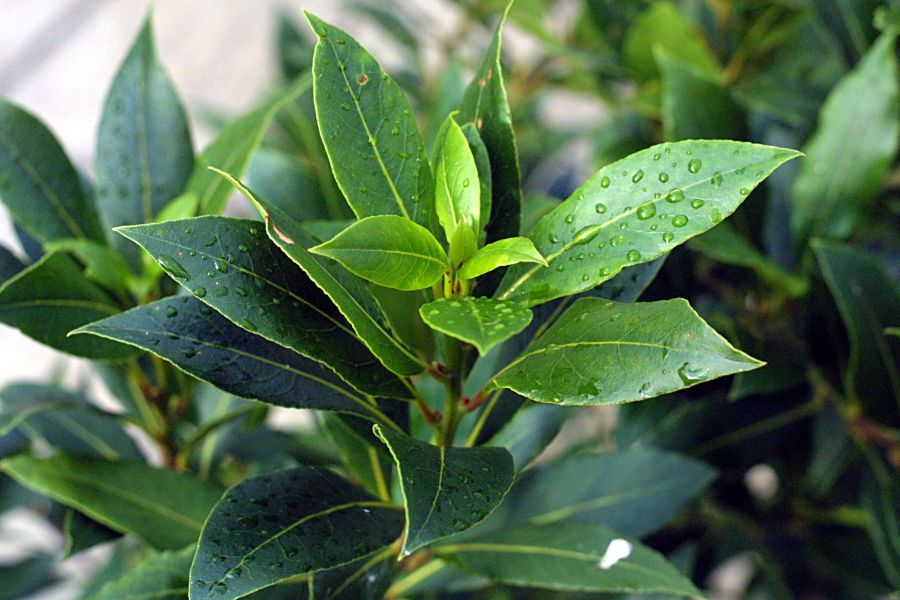
Bay Laurel: Benefits, Uses, and Safety Guide

by Ciprian
0 comments
A+A-
Reset

Historically revered in ancient Greek and Roman cultures as a symbol of victory and high status, Bay Laurel (Laurus nobilis) has a long-standing tradition in both culinary and herbal practices. Beyond its use as a fragrant kitchen spice, its leaves and oil contain bioactive compounds that have been studied for their potential health benefits. However, understanding its proper use and safety limitations is crucial for responsible application.

1 - Laurel

Active Compounds and Potential Mechanisms of Action

Bay laurel’s therapeutic potential is primarily attributed to its essential oil and flavonoid content. The essential oil is rich in compounds such as 1,8-cineole (eucalyptol), linalool, eugenol, and alpha-pinene. Furthermore, the leaves contain flavonoids and sesquiterpene lactones.

  • 1,8-Cineole: Research suggests this compound has anti-inflammatory and mucolytic (mucus-thinning) properties, which may explain its traditional use for respiratory complaints.
  • Linalool and Eugenol: These components have demonstrated antimicrobial and mild analgesic (pain-relieving) effects in preliminary studies.
  • Flavonoids: As powerful antioxidants, these compounds help protect cells from oxidative stress, a factor in many chronic health conditions.

Evidence-Based Health Benefits of Bay Laurel

While traditional use is extensive, modern scientific validation is still emerging. Therefore, it is important to approach its benefits with a clear understanding of the current evidence.

1. Digestive Support

Traditionally, bay laurel tea has been used as a carminative to help relieve gas, bloating, and indigestion. The compounds in the leaves may stimulate digestive secretions and help soothe the gastrointestinal tract. A study published in the Journal of Clinical Biochemistry and Nutrition (2009) on type 2 diabetes patients noted improvements in glucose and lipid profiles, but also pointed to its potential role in digestive function, although more direct research is needed.

2. Respiratory Relief (Aromatherapy)

The inhalation of steam infused with bay laurel essential oil is a traditional method for easing respiratory congestion. The primary component, 1,8-cineole, is well-known for its role in supporting respiratory health. For instance, its presence in eucalyptus oil is what makes it effective for similar purposes. Inhaling the vapor may help loosen phlegm and soothe irritated airways.

3. Topical Anti-inflammatory and Analgesic Use

Bay laurel infused oil (not the essential oil) is traditionally applied topically to soothe sore muscles, joint pain from arthritis, and neuralgia. Its potential anti-inflammatory and analgesic properties are linked to compounds like eugenol and parthenolide. However, clinical evidence in humans is limited, and its effects are considered mild.

Administration Protocol and Safety Limits

Responsible use of bay laurel requires strict adherence to dosage and duration to avoid adverse effects.

Preparation Dosage and Instructions
Herbal Tea (Decoction) for Digestion
  • Dose: 1-2 dried leaves per 250 ml (approx. 1 cup) of water.
  • Method: Simmer gently for 5-10 minutes, then steep for another 10 minutes. Strain well before drinking.
  • Frequency: 1 cup after a meal, up to twice daily.
  • Maximum Daily Dose: Do not exceed 4 dried leaves per day in tea form.
Essential Oil Inhalation for Respiration
  • Method: Add 2-3 drops of bay laurel essential oil to a bowl of hot water. Lean over the bowl with a towel over your head and inhale the steam for 5-10 minutes.
  • Frequency: Once or twice daily when needed.
  • Warning: NEVER ingest essential oils. Keep eyes closed during inhalation to prevent irritation.
Topical Infused Oil for Pain
  • Method: Gently massage a small amount of bay laurel-infused carrier oil (like olive oil) into the affected area.
  • Frequency: 2-3 times per day.
  • Patch Test: Always perform a patch test on a small area of skin first to check for sensitivity.

Treatment Duration: Use bay laurel preparations for a maximum of 14 consecutive days. Subsequently, take a mandatory break of at least 7 days before resuming use. This helps prevent sensitization and potential side effects.

Specific Biological Limitation

The primary limitation of bay laurel is its potential to cause contact dermatitis. This is due to the presence of sesquiterpene lactones, such as parthenolide, which are known allergens. When applied to the skin, especially in concentrated forms like essential oil, these compounds can trigger an immune response in sensitive individuals, leading to redness, itching, and rashes. For this reason, a patch test is essential before widespread topical use.

Contraindications and Precautions

It is crucial to be aware of situations where bay laurel should be avoided.

  • Absolute Contraindications: Individuals with a known allergy to plants in the Lauraceae family must avoid bay laurel completely.
  • Pregnancy and Breastfeeding: Bay laurel is contraindicated during pregnancy as it has been traditionally considered an emmenagogue (promotes menstruation) and may pose a risk of miscarriage. Its safety during breastfeeding has not been established.
  • Children: Internal use is not recommended for children under 12 due to a lack of safety data.
  • Surgery: Bay laurel may slow down the central nervous system and affect blood glucose regulation. Therefore, you should stop using it at least 2 weeks before a scheduled surgery to avoid interactions with anesthesia and other medications.

Major Drug Interactions

  • Diabetes Medications: Since bay laurel may lower blood sugar levels, combining it with anti-diabetic drugs could lead to hypoglycemia (dangerously low blood sugar). Monitor blood glucose levels closely if used concurrently and consult a healthcare provider.
  • CNS Depressants (Sedatives): Bay laurel may have a mild sedative effect. Consequently, using it with sedative medications (e.g., benzodiazepines, barbiturates) could cause excessive drowsiness.

Documented Adverse Effects

  • Common: Allergic contact dermatitis from topical application.
  • Overdose: Excessive internal consumption can lead to gastrointestinal upset, nausea, or drowsiness.

Therapeutic Alternatives

If bay laurel is not suitable for you, other botanicals with more robust scientific backing may be considered for similar purposes.

  1. For Digestive Support: Fennel Seed (Foeniculum vulgare) is an excellent carminative with strong evidence for reducing bloating and intestinal spasms. It works by relaxing smooth muscle in the GI tract.
  2. For Topical Pain Relief: Cayenne (Capsicum frutescens) preparations containing capsaicin are well-validated for topical pain relief. Capsaicin works by depleting substance P, a neurotransmitter involved in sending pain signals.
  3. For Respiratory Support (Inhalation): Thyme (Thymus vulgaris) essential oil is a powerful antimicrobial and expectorant. Its active compound, thymol, helps clear congestion and fight respiratory pathogens.

Note: Each alternative has its own specific contraindications and safety profile.

Recent Medical Research (2020-2026)

Recent studies continue to explore the mechanisms behind bay laurel’s traditional uses.

  • A 2022 study published in the journal Molecules investigated the antioxidant and anti-inflammatory properties of Laurus nobilis extracts. Researchers confirmed its ability to scavenge free radicals and inhibit pro-inflammatory enzymes, providing a scientific basis for its traditional use in inflammatory conditions.
  • A 2021 review in Foods highlighted the antimicrobial potential of bay laurel essential oil against various foodborne pathogens. This research supports its use as a natural preservative and points to its broader antimicrobial effects.

Current Limitations: Despite promising in-vitro results, high-quality human clinical trials are still lacking for many of its purported benefits. Most evidence remains preliminary or based on traditional use.

Specialist’s Summary

Bay laurel (Laurus nobilis) is a useful herb primarily for mild digestive support as a tea and for respiratory relief via steam inhalation. Its topical use for minor muscle and joint pain is traditional but has limited clinical backing. It is contraindicated during pregnancy and for individuals with known allergies. Furthermore, caution is required when used alongside medications for diabetes or sedation. Validated alternatives like Fennel for digestion or Cayenne for topical pain offer more established efficacy.

Frequently Asked Questions

1. Can I drink bay leaf tea every day?
No, it is not recommended for daily, long-term use. Bay laurel tea should be consumed for specific purposes for a short duration, typically up to 14 days, followed by a break. Continuous use may increase the risk of sensitization or side effects.

2. Is it safe to cook with bay leaves?
Yes, using one or two dried bay leaves in cooking is considered safe for most people. The leaves are typically removed before serving and are not consumed directly, imparting flavor without a significant dose of active compounds.

3. What is the difference between bay laurel essential oil and infused oil?
Bay laurel essential oil is a highly concentrated, steam-distilled product that should never be ingested and must be heavily diluted for topical use. Bay laurel infused oil is made by steeping the leaves in a carrier oil (like olive oil) for several weeks; it is much gentler and is intended for direct topical application.

Sources and References

  • Al-Snafi, A. E. (2022). The pharmacology and toxicology of Laurus nobilis- A review. IOSR Journal of Pharmacy.
  • Chmit, M., et al. (2022). Antioxidant and Anti-Inflammatory Activities of Laurus nobilis L. Leaves. Molecules.
  • Loizzo, M. R., et al. (2021). Laurus nobilis L. Essential Oil: A Comprehensive Review on Chemical Composition, Antimicrobial, and Insecticidal Properties. Foods.
  • European Medicines Agency (EMA). Community herbal monograph on Laurus nobilis L., folium (traditional use).

⚠️ Important Medical Information

This article is for educational and informational purposes only and is not intended as medical advice, diagnosis, or treatment. The information provided about Bay Laurel is based on traditional use, preliminary research, and available scientific evidence, which may be limited.

Before using Bay Laurel:

  • Consult a qualified healthcare provider, especially if you are pregnant, breastfeeding, taking medications, or have existing health conditions like diabetes.
  • Do not use as a substitute for prescribed medications or professional medical treatment.
  • Individual results may vary – what works for one person may not work for another.
  • Monitor for adverse reactions and discontinue use if negative symptoms occur, especially skin irritation.

Regulatory status: Bay Laurel, when used medicinally, is considered a traditional remedy or dietary supplement and has not been evaluated by the FDA for treating, curing, or preventing any disease.

Last updated: October 17, 2023


You may also like

Leave a Comment