Managing cholesterol is a critical aspect of cardiovascular health, often addressed through diet, exercise, and medication. However, certain beverages, when integrated into a balanced lifestyle, may offer supportive benefits. As a phytotherapy specialist, it is essential to distinguish between popular remedies and those supported by scientific evidence. This article provides an evidence-based overview of three beverages that research suggests may help support healthy cholesterol levels, along with crucial safety protocols for their use.
Cholesterol is a waxy substance essential for building healthy cells. Nevertheless, high levels of low-density lipoprotein (LDL), often called “bad” cholesterol, can lead to plaque buildup in arteries (atherosclerosis), increasing the risk of heart disease and stroke. Conversely, high-density lipoprotein (HDL), or “good” cholesterol, helps remove excess cholesterol from the body. Therefore, the goal of any cholesterol management plan is to lower LDL and maintain or increase HDL levels. The following drinks have been studied for their potential role in this process.

1. Green Tea (Camellia sinensis)
Traditionally consumed for centuries in Asia, green tea is now recognized globally for its health-promoting properties. Its benefits are largely attributed to a high concentration of polyphenols called catechins, particularly epigallocatechin gallate (EGCG).
Mechanism of Action
Research indicates that green tea catechins may help manage cholesterol in several ways. Firstly, they can reduce the intestinal absorption of dietary cholesterol. Secondly, they appear to increase the number of LDL receptors in the liver, which helps clear LDL cholesterol from the bloodstream more efficiently. A meta-analysis published in the American Journal of Clinical Nutrition concluded that green tea consumption is associated with significant reductions in total and LDL cholesterol levels.
Preparation and Use
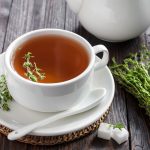
For optimal benefits, steep one green tea bag or one teaspoon of loose leaves in hot (not boiling, around 80°C or 175°F) water for 3-5 minutes. Consuming 2-3 cups per day is generally considered effective and safe for most adults.
2. Oat-Based Drinks (Avena sativa)
Oats are a well-established food for heart health, primarily due to their high content of a soluble fiber called beta-glucan. Oat milk or homemade oat-based drinks provide a convenient way to incorporate this beneficial compound into your diet.
Mechanism of Action
Beta-glucan forms a gel-like substance in the digestive tract. This gel binds to cholesterol-rich bile acids, preventing their reabsorption into the bloodstream and promoting their excretion. As a result, the liver must draw more cholesterol from the blood to produce new bile acids, effectively lowering circulating LDL levels. The European Food Safety Authority (EFSA) has approved the health claim that daily consumption of at least 3 grams of oat beta-glucan can lower blood cholesterol.
Preparation and Use
You can purchase commercial oat milk (choose unsweetened varieties) or make your own by blending one part rolled oats with four parts water and straining the mixture. A daily intake of one to two glasses can contribute to the required 3 grams of beta-glucan.
3. Hibiscus Tea (Hibiscus sabdariffa)
Hibiscus tea, made from the dried calyces of the hibiscus flower, is a traditional beverage in many parts of the world, known for its tart flavor and vibrant red color. Modern research has begun to validate its traditional use for cardiovascular support.
Mechanism of Action
Hibiscus contains anthocyanins and other flavonoids that exhibit antioxidant properties. Studies suggest these compounds may help prevent the oxidation of LDL cholesterol, a key step in the development of atherosclerosis. Furthermore, some clinical trials have shown that regular consumption of hibiscus tea can lead to a modest decrease in LDL cholesterol and triglycerides, while potentially increasing HDL cholesterol. For instance, a 2023 review in the journal Phytotherapy Research highlighted its potential in improving lipid profiles.
Preparation and Use
Steep 1-2 teaspoons of dried hibiscus flowers in a cup of boiling water for 5-10 minutes. It can be enjoyed hot or cold. Most studies use a dosage of two cups per day.
Administration Protocol and Safety Limits
While these drinks are generally safe, it is crucial to adhere to specific protocols to avoid potential adverse effects and ensure efficacy.
| Beverage | Maximum Daily Dose | Treatment Duration | Administration Notes |
|---|---|---|---|
| Green Tea | 3-4 cups (approx. 720-960 ml). Exceeding this may lead to caffeine-related side effects. | Can be consumed long-term. Consider a 1-week break every 2-3 months. | Best consumed between meals to avoid interfering with iron absorption. |
| Oat-Based Drink | 2-3 glasses (approx. 480-720 ml) to contribute to the 3g beta-glucan target. | Safe for daily, long-term consumption as part of a balanced diet. | Can be consumed any time of day, with or without meals. |
| Hibiscus Tea | 2-3 cups (approx. 480-720 ml). High doses may affect liver enzymes. | Use for up to 12 weeks, followed by a mandatory 2-week break. | Consume after meals. Monitor blood pressure, as it can have a hypotensive effect. |
Specific Biological Limitation
The active compounds in these plants, while beneficial, can pose risks for individuals with certain physiological conditions.
- Green Tea: The catechins, particularly EGCG, can chelate non-heme iron. This means they bind to iron from plant-based foods, reducing its absorption. Consequently, individuals with iron-deficiency anemia should consume green tea with caution and separate it from meals by at least one hour.
- Hibiscus Tea: Hibiscus may influence estrogen levels. This effect makes it potentially unsafe for individuals with hormone-sensitive conditions or those undergoing hormone replacement therapy. Its diuretic and hypotensive properties can also be problematic for people with low blood pressure or kidney issues.
Contraindications and Precautions
Always consult a healthcare provider before starting any new herbal regimen, especially if you have pre-existing conditions or take medications.
Absolute Contraindications
- Green Tea: Avoid concentrated extracts if you have liver disease. People with severe anxiety or cardiac arrhythmias should limit intake due to caffeine.
- Hibiscus Tea: Forbidden during pregnancy as it may stimulate menstruation. Also contraindicated for individuals on chloroquine (an antimalarial drug) as it reduces its effectiveness.
Major Drug Interactions
- Green Tea: May interact with blood thinners like warfarin due to its vitamin K content. It can also reduce the efficacy of nadolol, a beta-blocker.
- Hibiscus Tea: Can enhance the effect of antihypertensive and diuretic medications, potentially causing hypotension or electrolyte imbalance. It may also alter how the body processes acetaminophen (Tylenol).
Therapeutic Alternatives
If these beverages are not suitable for you, other evidence-based options can support cholesterol management.
- Psyllium Husk: A soluble fiber that, similar to oat beta-glucan, binds to bile acids and lowers LDL cholesterol. It can be mixed with water to form a drink.
- Artichoke Leaf Extract (Cynara scolymus): Studies show it can modestly lower total and LDL cholesterol by increasing bile production and inhibiting cholesterol synthesis in the liver.
- Soy Protein: Consuming soy-based products like soy milk can contribute to a small but significant reduction in LDL cholesterol, as recognized by health authorities like the FDA.
Recent Medical Research (2020-2026)
Recent studies continue to refine our understanding of these natural interventions.
- A 2020 meta-analysis in Nutrition Journal confirmed that oat beta-glucan consumption significantly lowers LDL-C, non-HDL-C, and ApoB, all key markers for cardiovascular risk.
- Research published in Antioxidants in 2022 explored the molecular mechanisms of green tea catechins, highlighting their role in modulating lipid metabolism pathways beyond simple cholesterol absorption.
- Current research limitations include the need for more long-term, large-scale human trials to establish optimal dosages and fully understand the interaction profiles of these beverages, particularly hibiscus tea.
Specialist’s Summary
Green tea, oat-based drinks, and hibiscus tea are useful dietary additions for supporting healthy cholesterol levels in specific populations, with modest effects that appear after consistent use over several weeks. However, they are contraindicated in major situations like pregnancy (hibiscus) and liver disease (green tea extracts) and have notable interactions with blood thinners and blood pressure medications. Validated alternatives include psyllium husk and artichoke leaf extract.
Frequently Asked Questions
Can these drinks replace my cholesterol medication like statins?
Absolutely not. These beverages should be considered a supportive measure within a comprehensive health plan that includes diet, exercise, and any medication prescribed by your doctor. Never stop or alter your medication without consulting your healthcare provider.
How long does it take to see a change in cholesterol levels?
Changes in cholesterol levels from dietary interventions are not immediate. With consistent daily use as recommended, you might see modest improvements on a blood test after 8 to 12 weeks.
Are store-bought bottled green teas or oat milks effective?
It depends. Many commercial products are high in sugar and may contain very little of the active compounds. For green tea, freshly brewed is best. For oat milk, choose unsweetened, fortified versions and check the label for beta-glucan content if available.
Sources and References
- Onakpoya, I., Spencer, E., Heneghan, C., & Thompson, M. (2014). The effect of green tea on blood pressure and lipid profile: a systematic review and meta-analysis of randomized clinical trials. Nutrition, Metabolism and Cardiovascular Diseases.
- Ho, H. V., Sievenpiper, J. L., Zurbau, A., et al. (2020). The effect of oat β-glucan on LDL-cholesterol, non-HDL-cholesterol and apoB for CVD risk reduction: a systematic review and meta-analysis of randomised-controlled trials. British Journal of Nutrition.
- Ellis, L. R., et al. (2022). A systematic review and meta-analysis of the effects of hibiscus sabdariffa on blood pressure and cardiometabolic markers. Phytotherapy Research.
- European Food Safety Authority (EFSA) Panel on Dietetic Products, Nutrition and Allergies (NDA). (2010). Scientific Opinion on the substantiation of health claims related to beta-glucans from oats and barley. EFSA Journal.
⚠️ Important Medical Information
This article is for educational and informational purposes only and is not intended as medical advice, diagnosis, or treatment. The information provided about Green Tea, Oat Drinks, and Hibiscus Tea is based on traditional use, preliminary research, and available scientific evidence, which may be limited.
Before using these beverages for health purposes:
- Consult a qualified healthcare provider, especially if you are pregnant, breastfeeding, taking medications, or have existing health conditions like liver disease or low blood pressure.
- Do not use as a substitute for prescribed medications or professional medical treatment for high cholesterol.
- Individual results may vary – what works for one person may not work for another.
- Monitor for adverse reactions and discontinue use if negative symptoms occur.
Regulatory status: These items are considered foods or dietary supplements and have not been evaluated by the FDA for treating, curing, or preventing any disease.