Juices for Kidney Health: 3 Evidence-Based Recipes and Safety Guide

Learn how specific ingredients support hydration and urinary health, with safety protocols for people with kidney conditions.

by Andreea Smiterson
0 comments
A+A-
Reset

The kidneys are vital organs responsible for filtering waste from the blood, regulating blood pressure, balancing bodily fluids, and producing hormones. While the concept of a “kidney detox” is a popular myth—healthy kidneys are self-cleaning—you can certainly support their function through proper nutrition and hydration. Certain juices, when used correctly and in moderation, can contribute to this supportive role.

However, it is crucial to understand that these are not treatments for kidney disease. For individuals with chronic kidney disease (CKD), kidney stones, or any renal impairment, dietary changes, including juicing, must be supervised by a nephrologist or a registered dietitian. This is because substances like potassium, phosphorus, and oxalates, found in many fruits and vegetables, can be harmful when kidney function is compromised.

Healthy Juices for Kidney Cleansing

Understanding Kidney Support vs. “Detox”

Instead of “detoxifying,” the goal is to provide the body with fluids and nutrients that support the kidneys’ natural processes. This primarily involves:

  • Promoting Adequate Hydration: Sufficient fluid intake helps the kidneys flush out waste products like urea and prevent the formation of kidney stones.
  • Providing Antioxidants: Compounds that combat oxidative stress can help protect kidney cells from damage.
  • Supporting Healthy Blood Pressure: Since high blood pressure is a leading cause of kidney damage, nutrients that support cardiovascular health are beneficial.

Evidence-Based Juice Recipes for Renal Support

Here are three recipes based on ingredients with traditional use and emerging scientific support for urinary and renal health. Always use fresh, high-quality ingredients.

1. Cranberry and Lemon Urinary Tract Support Juice

This combination is traditionally used to support urinary tract health. Cranberries are well-researched for their role in preventing urinary tract infections (UTIs), while lemon provides citrate, which may help inhibit the formation of certain types of kidney stones.

Ingredients:

  • 1 cup (approx. 240 ml) of unsweetened, pure cranberry juice (not from concentrate)
  • Juice of half a lemon
  • 1 cup (240 ml) of filtered water

Method: Mix all ingredients together and consume immediately. Diluting the juice is important to reduce sugar concentration and acidity.

2. Hydrating Parsley and Cucumber Flush

Parsley and cucumber are known for their high water content and traditional use as natural diuretics (aquaretics), which means they may help increase urine flow without significant electrolyte loss. This gentle flushing action supports the kidneys’ waste elimination process.

Ingredients:

  • A small handful of fresh parsley (about 1/4 cup)
  • 1 medium cucumber, washed
  • 1 celery stalk
  • Juice of half a lime

Method: Process the parsley, cucumber, and celery through a juicer. Stir in the lime juice and drink promptly.

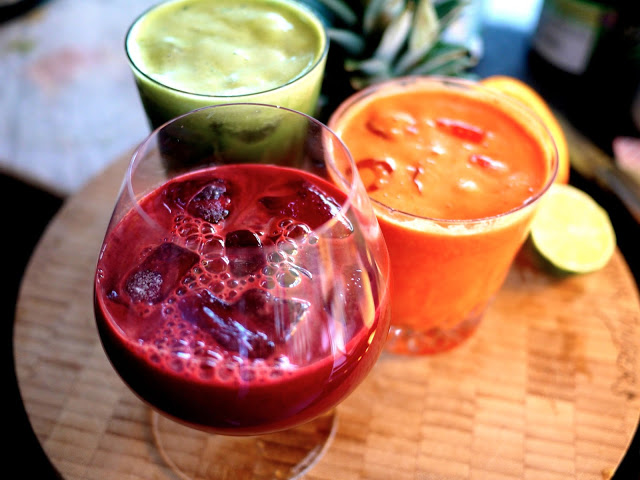
3. Beetroot and Carrot Blood Flow Support Juice

Beetroot is rich in dietary nitrates, which the body converts into nitric oxide. Nitric oxide helps relax and dilate blood vessels, which can support healthy blood pressure—a key factor in long-term kidney health. Carrots add antioxidants like beta-carotene.

Ingredients:

  • 1 small beetroot, cooked or raw, peeled
  • 2 medium carrots, washed
  • 1 small apple (to improve taste)
  • A small piece of ginger (optional, for anti-inflammatory properties)

Method: Juice all ingredients together. It is advisable to start with a small amount of beetroot juice (e.g., from half a small beet) to assess tolerance.

Administration Protocol and Safety Limits

These juices are intended for short-term, supplemental use by healthy adults, not as a daily meal replacement or a cure for any condition.

Protocol Guideline
Treatment Duration Consume one type of juice daily for a maximum of 7-10 days.
Mandatory Break Take a break of at least 14-21 days between cycles to prevent nutrient imbalances.
Maximum Daily Dose Limit intake to one glass (approx. 250-300 ml) per day. Overconsumption can lead to excessive sugar or oxalate intake.
Administration Condition Best consumed in the morning. Always drink plenty of plain water throughout the day to support the hydration process.

Specific Biological Limitation

High Oxalate Content: Beetroot, parsley, and cranberries are high in oxalates. In susceptible individuals, high oxalate intake can bind with calcium in the urine and contribute to the formation of calcium oxalate kidney stones, the most common type of stone. Therefore, individuals with a history of kidney stones should avoid these juices or consult a healthcare provider for guidance.

Contraindications and Precautions

Absolute Contraindications:

  • Chronic Kidney Disease (CKD): These juices are often high in potassium, a mineral that damaged kidneys cannot filter effectively. High potassium levels (hyperkalemia) can be life-threatening.
  • On Dialysis: Fluid and mineral intake must be strictly managed by a medical team.
  • History of Oxalate Kidney Stones: As mentioned, several ingredients can increase stone risk.

Vulnerable Populations:

  • Pregnancy: Parsley juice in large quantities is contraindicated as it contains compounds (apiol and myristicin) that can stimulate uterine contractions.
  • Children: Dosages should be adjusted by a pediatrician.

Major Drug Interactions:

  • Blood Thinners (e.g., Warfarin): Cranberry juice can potentiate the effects of warfarin, increasing the risk of bleeding.
  • Diuretics: Combining diuretic herbs like parsley with diuretic medications can lead to excessive fluid loss and electrolyte imbalance.
  • Blood Pressure Medications: Beetroot juice can lower blood pressure and may enhance the effect of antihypertensive drugs, potentially causing hypotension (abnormally low blood pressure).

Therapeutic Alternatives

If juicing is not suitable for you, consider these validated alternatives for supporting kidney health:

  1. Plain Water: The single most important factor. Staying adequately hydrated is the best way to support kidney function and prevent stones.
  2. Nettle Leaf Tea (Urtica dioica): Traditionally used as a gentle diuretic and anti-inflammatory. It supports urinary flow and helps flush out metabolic waste. Ensure it is from a reputable source.
  3. DASH Diet (Dietary Approaches to Stop Hypertension): This clinically proven diet emphasizes fruits, vegetables, whole grains, and low-fat dairy while limiting sodium, red meat, and sweets. It is highly effective for managing blood pressure and is recommended for kidney health.

Recent Medical Research (2020-2026)

Modern research continues to validate the link between diet and kidney health. For instance, a 2023 meta-analysis published in the Journal of Renal Nutrition reaffirmed that plant-dominant, low-protein diets are associated with a slower decline in kidney function in patients with CKD. Furthermore, studies on beetroot juice consistently show its potential for blood pressure reduction. A 2022 review in Food Science & Nutrition highlighted the dose-dependent hypotensive effects of dietary nitrate from beets. This underscores the importance of diet in managing risk factors for kidney disease, rather than relying on short-term “cleanses.”

Specialist’s Summary

Nutrient-rich juices can be a useful supplement for supporting hydration and providing antioxidants for healthy individuals. They are most beneficial for urinary tract support (cranberry) and blood pressure management (beetroot). However, they are not a substitute for medical treatment and are strictly contraindicated for individuals with existing kidney disease due to risks from potassium and oxalates. The safest and most effective strategy for kidney health remains consistent hydration with water and a balanced, whole-foods diet.

Frequently Asked Questions

1. Can these juices cure or reverse kidney disease?

No. There is no scientific evidence that any juice can cure or reverse kidney disease. These recipes are for supporting the function of *healthy* kidneys only. Managing kidney disease requires medical supervision.

2. How often should I drink these juices for kidney support?

They should be consumed in moderation and for short periods, such as for one week at a time, followed by a break of at least two weeks. They are not intended for long-term daily consumption.

3. Are these juices safe if I have diabetes?

Juicing removes fiber, which can cause rapid spikes in blood sugar. If you have diabetes, it is safer to eat these vegetables and fruits whole. If you choose to juice, consult your doctor and monitor your blood glucose levels carefully.

4. Is it safe to drink parsley juice during pregnancy?

No. Large, concentrated amounts of parsley, as found in juice, should be avoided during pregnancy. The compound apiol can act as a uterine stimulant and may pose a risk.

Sources and References

  • Fu, Z., Liska, D., Talan, D., & Chung, M. (2022). Cranberry Reduces the Risk of Urinary Tract Infection Recurrence in Otherwise Healthy Women: A Systematic Review and Meta-Analysis. The Journal of Nutrition.
  • Siervo, M., et al. (2021). Inorganic Nitrate and Beetroot Juice Supplementation in Athletes. Current Opinion in Clinical Nutrition & Metabolic Care.
  • European Medicines Agency (EMA). (2018). Community herbal monograph on Petroselinum crispum (Mill.) Fuss, folium.
  • Kramer, H., et al. (2023). Plant-Dominant Low-Protein Diet in Chronic Kidney Disease: A Narrative Review. Journal of Renal Nutrition.

⚠️ Important Medical Information

This article is for educational and informational purposes only and is not intended as medical advice, diagnosis, or treatment. The information provided about these juice recipes is based on traditional use and available scientific evidence, which may be limited.

Before trying these recipes:

  • Consult a qualified healthcare provider, especially if you are pregnant, breastfeeding, taking medications, or have existing health conditions like kidney disease, diabetes, or a history of kidney stones.
  • Do not use as a substitute for prescribed medications or professional medical treatment.
  • Individual results may vary – what works for one person may not work for another.
  • Monitor for adverse reactions and discontinue use if negative symptoms occur.


You may also like

Leave a Comment