Embarking on a diet can feel overwhelming, especially when results are slow to appear. Often, the key to success lies not just in what you avoid, but in what you strategically include. For a diet to be effective, it must be supported by nutrient-dense foods that enhance metabolism, promote satiety, and provide sustained energy. This article, grounded in scientific evidence, explores five foundational foods that can significantly contribute to a balanced and effective dietary plan.

1. Oats and Oatmeal: The Fiber-Rich Foundation
Oats (Avena sativa) are a powerhouse of complex carbohydrates and, most importantly, soluble fiber. This composition makes them a cornerstone of a healthy diet for several evidence-based reasons.
Key Nutritional Benefits
The primary active component in oats is a type of soluble fiber called beta-glucan. According to a meta-analysis published in the American Journal of Clinical Nutrition, beta-glucan has been shown to help lower LDL (“bad”) cholesterol levels. Furthermore, the slow digestion of complex carbohydrates helps maintain stable blood glucose levels, preventing the energy spikes and crashes associated with simple sugars.
Mechanism of Action for Satiety
Oats promote a feeling of fullness, or satiety, through multiple mechanisms. Firstly, the high fiber and protein content slows gastric emptying, keeping you feeling full for longer. Secondly, beta-glucan forms a gel-like substance in the digestive tract, which also contributes to this effect. This sustained satiety can significantly reduce overall calorie intake by preventing overeating and unnecessary snacking between meals.
Portion Control and Consumption Guidelines
To maximize benefits, it is crucial to consume oats correctly. Always opt for unsweetened steel-cut or rolled oats over instant, flavored varieties which often contain added sugars.
- Standard Serving Size: 40-50 grams (about ½ cup) of dry oats.
- Preparation: Cook with water or low-fat milk. Enhance flavor with nutrient-dense additions like fresh berries, a small handful of nuts, or a sprinkle of cinnamon rather than sugar or syrup.
- Hydration: The high fiber content absorbs water, so ensure adequate fluid intake throughout the day to support digestion.
2. Eggs: A Complete Protein Source
For years, eggs were unfairly criticized due to their cholesterol content. However, extensive modern research has rehabilitated their reputation, highlighting them as a highly nutritious and beneficial food for most people.
Key Nutritional Benefits
Eggs provide high-quality, complete protein, meaning they contain all nine essential amino acids. Additionally, they are a rich source of choline, a vital nutrient for brain health and development, as well as vitamins D and B12. The fats in eggs are primarily healthy monounsaturated and polyunsaturated fats.
Mechanism of Action for Weight Management
The high protein content of eggs is a key factor in their ability to support weight management. Studies, such as one published in the International Journal of Obesity, indicate that a breakfast containing eggs can increase satiety and reduce subsequent calorie intake compared to a carbohydrate-rich breakfast like a bagel. This effect helps in creating a sustainable calorie deficit necessary for weight loss.
Portion Control and Consumption Guidelines
- Standard Serving Size: 1-2 whole eggs per day is considered safe and healthy for the general population.
- Preparation: Poaching, boiling, or scrambling with minimal oil are healthier methods than frying in large amounts of butter or fat.
- Safety Note: To minimize the risk of Salmonella, always cook eggs thoroughly until both the yolk and white are firm.
3. Whole Grains: Fueling the Body Efficiently
Whole grains are an essential part of a balanced diet, providing complex carbohydrates, fiber, and essential micronutrients that are stripped away from refined grains.
Key Nutritional Benefits
Unlike refined grains, whole grains like quinoa, brown rice, barley, and whole wheat contain the entire grain kernel—bran, germ, and endosperm. The bran provides the majority of the fiber, while the germ contains healthy fats, vitamins, and minerals. This composition contributes to better digestive health and a lower glycemic index.
Mechanism of Action for Metabolic Health
The high fiber content in whole grains slows the breakdown of starch into glucose, leading to a more gradual increase in blood sugar and insulin levels. This helps maintain steady energy and can reduce the risk of type 2 diabetes. Furthermore, a diet rich in whole grains has been associated with a lower risk of cardiovascular disease, according to research from the World Health Organization (WHO).
Portion Control and Consumption Guidelines
- Standard Serving Size: A typical serving is about ½ cup of cooked grains.
- Integration: Incorporate whole grains as a base for meals, combine them with vegetables and lean proteins, or use whole-grain flour for baking.
- Labeling: Look for products that list “100% whole grain” or have a whole grain as the first ingredient.
4. Cruciferous Vegetables: Nutrient-Dense and Low-Calorie
The cruciferous family—including broccoli, cauliflower, Brussels sprouts, and kale—offers a high volume of nutrients for very few calories, making them ideal for any diet.
Key Nutritional Benefits
These vegetables are packed with fiber, vitamins (notably C and K), and minerals. They are also rich in sulfur-containing compounds called glucosinolates, which are responsible for their distinct taste and have been studied for their antioxidant and anti-inflammatory properties. Research suggests these compounds may support the body’s natural detoxification processes.
Mechanism of Action for Health and Fullness
Their high water and fiber content makes cruciferous vegetables very filling. This high-volume, low-calorie nature allows you to eat a satisfying portion without consuming excess calories. The fiber also supports a healthy gut microbiome, which is increasingly linked to overall metabolic health.
Portion Control and Consumption Guidelines
- Standard Serving Size: 1-2 cups, raw or cooked.
- Preparation: Steaming or light sautéing preserves more nutrients than boiling. Roasting can enhance their flavor.
- Specific Biological Limitation: Cruciferous vegetables are high in Vitamin K, which can interfere with blood-thinning medications like warfarin. They also contain goitrogens, which may affect thyroid function in individuals with iodine deficiency if consumed raw in very large quantities. Cooking deactivates most of these compounds.
5. Nuts: Healthy Fats and Micronutrients
Nuts are a calorie-dense food, but when consumed in moderation, they provide significant health benefits due to their rich profile of healthy fats, protein, fiber, and essential minerals.
Key Nutritional Benefits
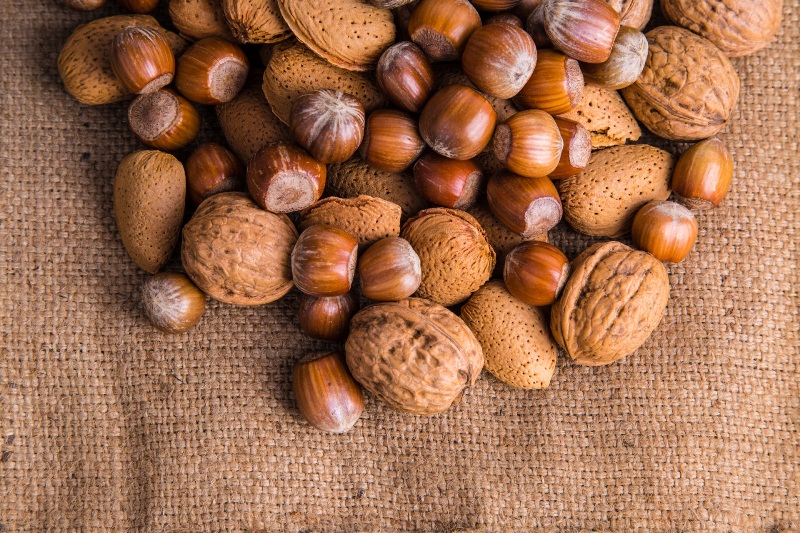
Nuts like almonds, walnuts, and hazelnuts are excellent sources of monounsaturated fats, which support heart health. Walnuts are particularly notable for their high content of alpha-linolenic acid (ALA), a plant-based omega-3 fatty acid. Almonds are rich in Vitamin E and magnesium, while hazelnuts provide copper and manganese.
Mechanism of Action for Satiety and Metabolism
The combination of protein, fiber, and healthy fats in nuts promotes long-lasting satiety. Despite being high in calories, studies indicate that regular, moderate consumption of nuts is not associated with weight gain and may even support weight management by improving metabolism and reducing hunger.
Portion Control and Consumption Guidelines
Due to their high calorie density, portion control is paramount.
| Nutrient | Guideline |
| Standard Serving Size | A small handful, approximately 28 grams or ¼ cup. |
| Selection | Choose raw or dry-roasted, unsalted varieties to avoid excess sodium and unhealthy oils. |
| Consumption | Incorporate them into oatmeal, salads, or yogurt, or have them as a standalone snack. |
Contraindications and Precautions
While these foods are generally healthy, certain individuals must exercise caution.
- Allergies: Nut and egg allergies can be severe and life-threatening. Individuals with known allergies must avoid these foods entirely.
- Gluten Sensitivity: Those with celiac disease or non-celiac gluten sensitivity should avoid whole grains like wheat, barley, and rye. Oats are often cross-contaminated with gluten unless certified gluten-free.
- Kidney Conditions: Some nuts and whole grains are high in oxalates or phosphorus, which may need to be limited by individuals with kidney disease.
- Digestive Issues: People with Irritable Bowel Syndrome (IBS) may find that high-fiber foods like cruciferous vegetables and whole grains can trigger symptoms. A gradual introduction is recommended.
- Medication Interactions: As mentioned, the high Vitamin K content in cruciferous vegetables can interfere with anticoagulants like warfarin. Consult a healthcare provider for personalized advice.
Therapeutic Alternatives
If any of these foods are unsuitable for you, there are excellent alternatives available:
- For Oats/Whole Grains: If you are gluten-intolerant or following a low-carb diet, consider quinoa (a gluten-free seed with complete protein) or chia seed pudding (high in fiber and omega-3s).
- For Eggs: For a plant-based, high-protein alternative, a tofu scramble seasoned with nutritional yeast and turmeric is an excellent choice. Greek yogurt is another high-protein option for vegetarians.
- For Nuts: If you have a nut allergy, seeds like sunflower, pumpkin, or sesame seeds can provide similar healthy fats and minerals. Seed butters are also a great alternative.
Recent Medical Research (2020-2026)
Recent studies continue to reinforce the benefits of these whole foods. A 2020 meta-analysis in The BMJ confirmed that higher consumption of whole grains, vegetables, and nuts is associated with a lower risk of cardiovascular disease. Furthermore, research published in Nutrients in 2022 highlighted the role of egg consumption in improving nutrient intake (especially choline and vitamin D) without adversely affecting blood lipid profiles in most healthy adults. The current scientific consensus strongly supports incorporating these nutrient-dense foods into a balanced dietary pattern for long-term health.
Specialist’s Summary
Incorporating oats, eggs, whole grains, cruciferous vegetables, and nuts into your diet provides a powerful, evidence-based strategy for supporting weight management and overall health. These foods are effective due to their high content of fiber, protein, and essential micronutrients, which work together to promote satiety and metabolic stability. However, it is crucial to be mindful of portion sizes, especially for calorie-dense nuts, and to consider individual contraindications such as allergies or medication interactions. For those who cannot consume these foods, nutrient-rich alternatives like quinoa and seeds are readily available.
Frequently Asked Questions
1. Are eggs bad for my cholesterol?
For most people, dietary cholesterol from foods like eggs has a minimal impact on blood cholesterol levels. Decades of research have shown that saturated and trans fats are much larger contributors to high LDL cholesterol. According to the American Heart Association, healthy individuals can typically enjoy an egg a day without issue.
2. Can I eat oatmeal if I have celiac disease?
Oats are naturally gluten-free, but they are frequently processed in facilities that also handle wheat, barley, and rye, leading to cross-contamination. If you have celiac disease, it is essential to only purchase oats that are explicitly labeled and certified as “gluten-free.”
3. Do cruciferous vegetables interfere with thyroid medication?
Cruciferous vegetables contain goitrogens, which can potentially interfere with thyroid hormone production. However, this effect is primarily a concern for individuals with an existing iodine deficiency who consume very large quantities of these vegetables raw. Cooking significantly reduces their goitrogenic potential, and for most people taking thyroid medication, consuming moderate amounts of cooked cruciferous vegetables is considered safe.
4. Is it safe to eat nuts every day?
Yes, for individuals without allergies, eating a small, controlled portion (about one ounce) of nuts daily is associated with numerous health benefits, including improved heart health and better weight management. The key is to stick to the recommended serving size to avoid excessive calorie intake.
Sources and References
- Ho, H. V. T., et al. (2021). A systematic review and meta-analysis of the effects of oat beta-glucan on central obesity and visceral fat. British Journal of Nutrition.
- Kim, J. E., & Campbell, W. W. (2022). Dietary-Protein- and Exercise-Induced Satiety and Associated Hormonal Responses in Adults: A Systematic Review. Advances in Nutrition.
- Shan, Z., et al. (2020). Association of dairy and egg consumption with risk of cardiovascular disease: a systematic review and meta-analysis. The BMJ.
- World Health Organization (WHO). (2023). Saturated fat and trans-fat intake for adults and children. WHO Guideline.
⚠️ Important Medical Information
This article is for educational and informational purposes only and is not intended as medical advice, diagnosis, or treatment. The information provided about these foods is based on available scientific evidence, which may be subject to change.
Before making significant changes to your diet:
- Consult a qualified healthcare provider or registered dietitian, especially if you are pregnant, breastfeeding, taking medications, or have existing health conditions.
- Do not use this information as a substitute for professional medical treatment or personalized dietary advice.
- Individual results may vary – dietary needs are unique to each person.
- Monitor for adverse reactions, such as digestive upset or allergic symptoms, and discontinue any food that causes negative effects.