Medicinal Honey: A Guide to the Benefits of Manuka, Buckwheat, and Linden

by Andreea Smiterson
0 comments
A+A-
Reset

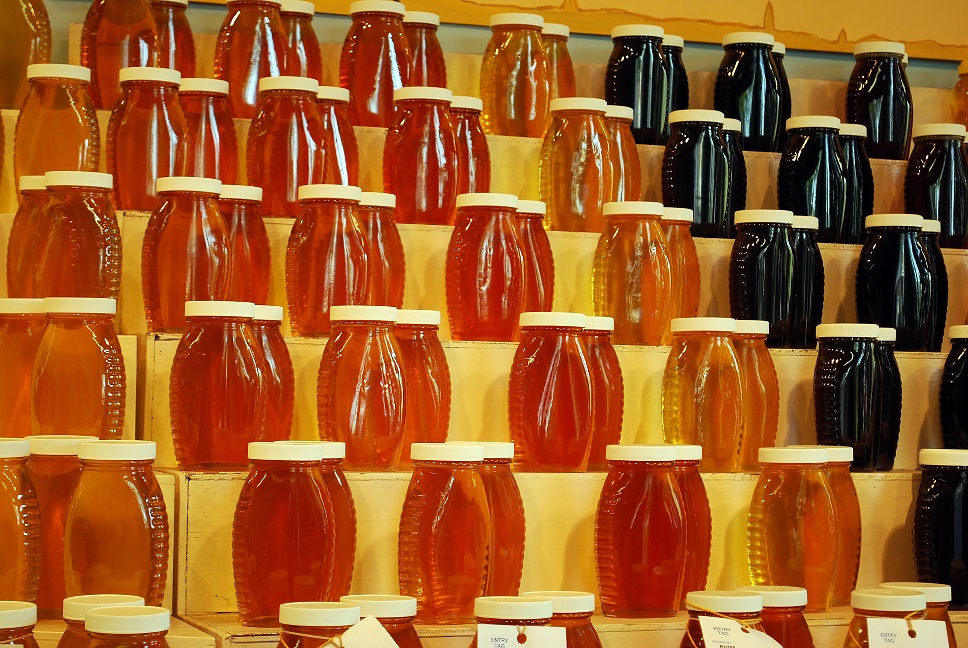
Honey has been valued in traditional medicine for centuries, not just as a sweetener but for its potential health-supporting properties. However, not all honey is created equal. The floral source from which bees gather nectar significantly influences a honey’s chemical composition, color, flavor, and, most importantly, its bioactive properties. While over 300 types of honey exist worldwide, modern research has focused on a select few for their consistent and measurable therapeutic potential.

This guide, from a phytotherapy perspective, examines the evidence-based benefits of the most well-researched medicinal honeys. Furthermore, it provides essential safety protocols to ensure responsible use, moving beyond folklore to focus on what clinical observation and scientific studies can support.

types of honey

Evidence-Based Profiles of Key Medicinal Honeys

While many types of honey offer general benefits due to their sugar content, enzymes, and trace minerals, certain varieties have been singled out in clinical research for their potent and specific effects. Here, we explore the science behind the most notable types.

1. Manuka Honey (Leptospermum scoparium)

Primary Validated Use: Topical wound care and antibacterial activity.

Manuka honey, native to New Zealand, is perhaps the most studied medicinal honey. Its potent antibacterial properties are primarily attributed to a compound called methylglyoxal (MGO). Unlike the hydrogen peroxide activity found in most honeys, which degrades with light and heat, MGO provides stable, non-peroxide antibacterial action.

  • Mechanism of Action: The high concentration of MGO disrupts bacterial cell walls and inhibits biofilm formation, a key factor in persistent infections. Consequently, medical-grade, sterilized Manuka honey is approved by regulatory bodies like the FDA for use in licensed wound and burn dressings.
  • Clinical Evidence: A 2022 systematic review published in the journal Antibiotics confirmed the efficacy of medical-grade Manuka honey in managing chronic wounds, ulcers, and burns by reducing infection rates and promoting tissue regeneration. It has shown effectiveness against antibiotic-resistant bacteria, including MRSA, in topical applications.

2. Buckwheat Honey (Fagopyrum esculentum)

Primary Validated Use: Nocturnal cough suppressant in children.

Buckwheat honey is a dark, robustly flavored honey with one of the highest concentrations of phenolic and flavonoid antioxidants among common honey varieties. This high antioxidant capacity contributes to its anti-inflammatory effects.

  • Mechanism of Action: For coughs, its thick viscosity soothes the throat lining (a demulcent effect), while its antioxidant properties may help reduce inflammation associated with upper respiratory infections.
  • Clinical Evidence: A landmark study published in the Archives of Pediatrics & Adolescent Medicine compared buckwheat honey to the common cough suppressant dextromethorphan (DM) in children with coughs. The study found that parents rated honey as significantly more effective than DM at relieving nocturnal cough and improving sleep. The World Health Organization (WHO) acknowledges honey as a potential demulcent for coughs.

3. Linden Honey (Tilia spp.)

Primary Validated Use: Traditional remedy for colds, flu, and nervous tension.

Linden honey is a light-colored, delicately flavored honey derived from the blossoms of the linden tree. In European phytotherapy, both linden flowers and the resulting honey are traditionally used for their calming and diaphoretic (sweat-inducing) properties.

  • Mechanism of Action: While less clinically studied than Manuka or Buckwheat, its benefits are thought to stem from trace amounts of volatile oils and flavonoids from the linden flower. Traditionally, it is used to promote perspiration to help break a fever and to soothe an irritated respiratory tract.
  • Traditional Context: It is often added to herbal teas, such as chamomile or linden flower tea, to enhance their soothing effects, particularly before bedtime. Its use is primarily supported by long-standing tradition rather than extensive clinical trials.

4. Chestnut Honey (Castanea sativa)

Primary Validated Use: High antioxidant and mineral content.

With a dark reddish color and a strong, slightly bitter flavor, chestnut honey is recognized for its impressive nutritional profile. It is particularly rich in minerals like potassium, manganese, and iron, as well as potent antioxidants.

  • Mechanism of Action: Research published in the Journal of Food Science and Technology highlights its strong free-radical scavenging ability, comparable to that of Buckwheat honey. This antioxidant power may help protect cells from oxidative stress.
  • Traditional Context: In Mediterranean folk medicine, people traditionally use it to support circulation and digestive health. However, robust clinical trials validating these specific uses are still needed.

Administration Protocol and Safety Limits

While honey is a natural product, it should be consumed with awareness of its potent biological effects and high sugar content.

1. Treatment Duration and Quantity

  • Maximum Daily Dose: For a healthy adult, consumption should be limited to 1-2 tablespoons (15-30 ml) per day, factored into your total daily sugar intake. Exceeding this can contribute to weight gain and affect blood sugar levels.
  • Therapeutic Use (e.g., for cough): Use for the duration of symptoms, typically 5-7 days. For chronic conditions, consult a healthcare provider. There is no benefit to continuous high-dose consumption.

2. Administration Conditions

  • For Cough: Take a teaspoon straight, allowing it to coat the throat. Administer about 30 minutes before bedtime to help with nocturnal cough.
  • For General Health: Can be taken on an empty stomach or mixed into warm (not boiling) water or tea. High heat can degrade some of its beneficial enzymes.

Specific Biological Limitation

The primary limitation of honey is its composition: it is approximately 80% sugar (mainly fructose and glucose). This gives it a high glycemic index, meaning it can cause a rapid spike in blood sugar levels. Therefore, individuals with diabetes, insulin resistance, or metabolic syndrome must exercise extreme caution and consult their healthcare provider before incorporating honey into their diet. Its caloric density also means that excessive consumption can contribute to weight gain.

Contraindications and Precautions

Absolute Contraindication: Infants Under 12 Months
Honey can contain spores of the bacterium Clostridium botulinum. In infants whose gut microbiome is not yet fully developed, these spores can germinate and produce a toxin, causing a rare but serious illness called infant botulism. Therefore, never give honey to a child under one year of age.

  • Diabetes: Due to its high sugar content, individuals with diabetes should treat honey like any other sugar and consume it only with medical guidance.
  • Allergies: People with severe allergies to pollen or bees may react to honey. It is advisable to start with a very small amount to test for sensitivity.
  • Pregnancy and Breastfeeding: While generally considered safe in normal food amounts, therapeutic or high-dose use should be discussed with a healthcare provider.

Therapeutic Alternatives

If honey is not suitable for your needs or condition, consider these validated alternatives:

  1. For Cough and Throat Soothing:
    • Marshmallow Root (Althaea officinalis): A classic demulcent herb, its high mucilage content creates a soothing film over mucous membranes. It is available as a tea or syrup.
    • Licorice Root (Glycyrrhiza glabra): Acts as a demulcent and expectorant. Note: It has significant contraindications, including high blood pressure, and should be used with professional guidance.
  2. For Topical Wound Care:
    • Calendula (Calendula officinalis): An ointment or salve made from calendula flowers can promote skin healing and reduce inflammation for minor cuts and abrasions.
    • Medical-Grade Antiseptics: For any significant or infected wound, pharmacological options like povidone-iodine or chlorhexidine, as recommended by a doctor, are the standard of care.

Recent Medical Research (2020-2026)

Recent research continues to validate and expand our understanding of honey’s medicinal applications.

  • A 2022 meta-analysis confirmed that medical-grade honey dressings are effective in accelerating the healing of partial-thickness burns compared to conventional dressings.
  • A 2020 study from Oxford University published in BMJ Evidence-Based Medicine concluded that honey is likely more effective at improving symptoms of upper respiratory tract infections than usual care, including antibiotics. Researchers noted it is a safe, cheap, and readily available alternative.

Current Limitations: More high-quality, large-scale human trials are needed to establish standardized dosing and directly compare the efficacy of different honey types for internal uses.

Specialist’s Summary

Specific honeys, particularly Manuka and Buckwheat, offer evidence-based benefits for topical wound care and cough suppression, respectively. Their effects are attributed to unique bioactive compounds like MGO and a high concentration of antioxidants. However, honey is not a panacea; its use is contraindicated in infants under one year old and requires caution in individuals with diabetes. For cough, alternatives like Marshmallow Root provide a safe option, while for wounds, Calendula or standard medical antiseptics are appropriate.

Frequently Asked Questions

1. Can eating local honey cure my seasonal allergies?
The theory is that local honey contains local pollen, which could desensitize the immune system. However, scientific evidence supporting this is very weak and conflicting. The amount of airborne pollen in honey is typically minimal. Do not rely on it as a primary treatment for allergies.

2. Is raw honey better than processed honey?
Raw honey is not filtered or pasteurized, meaning it may retain more beneficial enzymes, pollen, and propolis. However, pasteurization is done to kill potentially harmful yeast and bacteria and prevent crystallization. For general dietary use, raw honey may offer a slight nutritional edge, but for safety, especially in those with compromised immune systems, pasteurized honey is a safer choice.

3. Why is Manuka honey so expensive?
Manuka honey’s high price is due to its limited production area (only New Zealand and parts of Australia), short flowering season of the Manuka bush, and the rigorous testing required to certify its MGO (or UMF) rating, which guarantees its antibacterial potency.

Sources and References

  1. Hannan, A., et al. (2022). Role of honey in wound healing: A systematic review. Antibiotics.
  2. Abuelgasim, H., et al. (2020). Honey for acute cough in children. BMJ Evidence-Based Medicine.
  3. Paul, I. M., et al. (2007). Effect of honey, dextromethorphan, and no treatment on nocturnal cough and sleep quality for coughing children and their parents. Archives of Pediatrics & Adolescent Medicine.
  4. Alvarez-Suarez, J. M., et al. (2010). Antioxidant and antimicrobial capacity of several monofloral Cuban honeys and their correlation with color and polyphenol content. Journal of Food Science and Technology.
  5. World Health Organization. (2001). Cough and cold remedies for the treatment of acute respiratory infections in young children.

⚠️ Important Medical Information

This article is for educational and informational purposes only and is not intended as medical advice, diagnosis, or treatment. The information provided about Honey is based on traditional use, preliminary research, and available scientific evidence, which may be limited.

Before using Honey for therapeutic purposes:

  • Consult a qualified healthcare provider, especially if you are pregnant, breastfeeding, taking medications, have diabetes, or have other existing health conditions.
  • Do not use as a substitute for prescribed medications or professional medical treatment.
  • Never give honey to infants under 12 months of age due to the risk of botulism.
  • Monitor for adverse reactions, such as allergic symptoms, and discontinue use if they occur.

Regulatory status: Honey is considered a food product. When used for medicinal purposes, it is a traditional remedy and has not been evaluated by the FDA for treating, curing, or preventing any disease.


You may also like

Leave a Comment