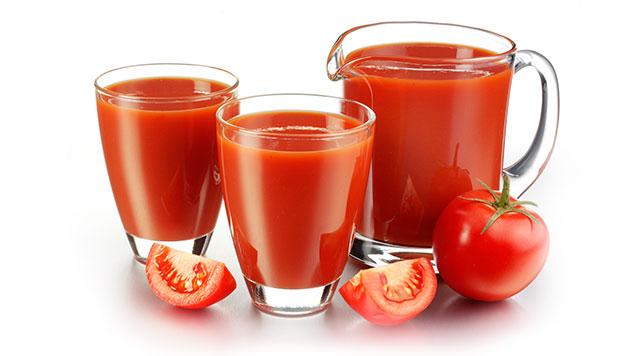
The tomato (Solanum lycopersicum) is globally recognized not only as a culinary staple but also for its significant nutritional and health-promoting properties. Traditionally valued in various cultures for its vitality-boosting effects, modern science has focused on its rich content of bioactive compounds, particularly the powerful antioxidant lycopene. As a phytotherapy specialist, it is crucial to distinguish between its evidence-based nutritional benefits and unsupported folk remedies.
This article provides an evidence-based overview of the tomato’s role in supporting health, clarifies its appropriate uses, and outlines essential safety protocols for its consumption and topical application.

Evidence-Based Health Benefits of Tomatoes
The health benefits of tomatoes are primarily attributed to their high concentration of lycopene, a carotenoid responsible for their red color, alongside other essential nutrients like Vitamin C, potassium, and folate. Furthermore, research consistently shows that consuming tomatoes with a source of fat, such as olive oil, significantly enhances the absorption of lycopene.
Cardiovascular Health Support
Clinical observations and numerous studies suggest that regular consumption of tomatoes and tomato products may contribute to cardiovascular health. For instance, lycopene’s antioxidant properties help reduce the oxidation of LDL (“bad”) cholesterol, a key step in the development of atherosclerosis. Additionally, a meta-analysis published in Critical Reviews in Food Science and Nutrition (2022) concluded that tomato consumption is associated with improved blood pressure and endothelial function.
Antioxidant and Cellular Protection
Lycopene is one of the most potent natural antioxidants. It effectively neutralizes free radicals, which are unstable molecules that can damage cells and contribute to chronic diseases and aging. Therefore, a diet rich in tomatoes may help protect the body’s cells from oxidative stress. This cellular protection is fundamental to maintaining overall metabolic equilibrium and long-term health.
Skin Health and Photo-protection
While not a substitute for sunscreen, dietary lycopene may offer a degree of internal protection against UV-induced skin damage. Research indicates that consistent intake of tomato paste can help reduce the intensity of skin reddening (erythema) after UV exposure. This effect is thought to be due to the accumulation of carotenoids in the skin, where they exert their antioxidant effects.
Traditional and Topical Uses: A Realistic Perspective
Traditionally, tomatoes have been used topically for various skin concerns. However, these applications lack robust scientific validation and should be approached with caution.
- Facial Masks for Oily Skin: A simple mask of crushed tomato pulp has been traditionally used to help manage oily skin. The mild acidity of the tomato may have a temporary astringent effect, helping to reduce surface oiliness.
- Soothing Minor Sunburns: The cooling pulp of a tomato was sometimes applied to soothe mild, unbroken sunburns, likely due to its high water content and antioxidant compounds.
Important Safety Note: Never apply tomato to broken, sensitive, or irritated skin. The natural acids can cause stinging and further irritation. Always perform a patch test on a small area of skin (like the inner arm) before applying it to your face to check for sensitivity.
Administration Protocol and Safety Limits
For tomatoes to be a beneficial part of a diet, moderation and awareness of safety limits are essential.
Dietary Consumption
- Maximum Daily Dose: For healthy adults, consuming 1-2 medium-sized fresh tomatoes (approx. 150-300g) or up to 240 ml (8 oz) of low-sodium tomato juice daily is generally considered safe and beneficial.
- Treatment Duration: As a food, tomatoes can be consumed long-term as part of a balanced diet. However, if using concentrated tomato products for a specific health goal, it is wise to incorporate variety and not rely solely on one food source.
–Administration Condition: To maximize lycopene absorption, consume tomatoes with a healthy fat source like olive oil, avocado, or nuts. Cooking tomatoes also breaks down cell walls, making lycopene more bioavailable.
Topical Application
- Frequency: Limit topical use to a maximum of 1-2 times per week to avoid skin irritation.
- Duration: Do not leave tomato pulp on the skin for more than 10-15 minutes.
- Overdose Risk: Overuse can disrupt the skin’s natural pH balance, leading to dryness, redness, and sensitivity.
Specific Biological Limitation
Acidity and Gastrointestinal Sensitivity: Tomatoes contain malic and citric acid, which give them their characteristic taste. This acidity can be problematic for individuals with certain health conditions. For people with gastroesophageal reflux disease (GERD) or chronic heartburn, the acid in tomatoes can relax the lower esophageal sphincter, allowing stomach acid to splash back into the esophagus and worsen symptoms.
Nightshade Family Sensitivity: Tomatoes are part of the nightshade family (Solanaceae). While rare, some individuals, particularly those with autoimmune conditions like rheumatoid arthritis or inflammatory bowel disease, report that consuming nightshades can trigger inflammatory symptoms. This connection is still under investigation and is not universally accepted, but it remains a consideration for sensitive individuals.
Contraindications and Precautions
While generally safe, tomatoes are not suitable for everyone.
Absolute Contraindications
- Tomato Allergy: Individuals with a known allergy to tomatoes must avoid them completely. Symptoms can range from mild oral allergy syndrome (itching in the mouth) to severe anaphylaxis.
- Kidney Disease: Tomatoes are high in potassium. People with advanced chronic kidney disease (CKD) or those on potassium-restricted diets must limit or avoid tomatoes to prevent hyperkalemia (dangerously high blood potassium levels).
Vulnerable Populations
- Pregnancy and Breastfeeding: Safe when consumed as part of a normal diet.
- Children: Safe as food. Introduce carefully to watch for any signs of allergy.
Documented Adverse Effects
- Gastrointestinal Distress: For sensitive individuals, high intake can lead to acid reflux, heartburn, or irritable bowel syndrome (IBS) flare-ups.
- Lycopenodermia: Extremely high and prolonged consumption of lycopene-rich foods can lead to a harmless but noticeable orange discoloration of the skin.
Therapeutic Alternatives
If tomatoes are not suitable due to allergy, acidity, or other concerns, several alternatives can provide similar benefits.
| Benefit | Botanical Alternative | Mechanism/Advantage |
|---|---|---|
| Lycopene Source | Watermelon (Citrullus lanatus) | Contains a highly bioavailable form of lycopene and is less acidic than tomatoes, making it a better option for those with GERD. |
| Cardiovascular Support | Beetroot (Beta vulgaris) | Rich in dietary nitrates, which convert to nitric oxide in the body, helping to relax blood vessels and improve blood flow. |
| Topical Antioxidant | Green Tea (Camellia sinensis) | A cooled green tea infusion applied topically provides potent polyphenols (EGCG) that have anti-inflammatory and antioxidant effects with a lower risk of acid-related irritation. |
Note: Each alternative has its own unique profile and potential contraindications.
Recent Medical Research (2020-2026)
Recent studies continue to reinforce the health benefits of tomato consumption, particularly focusing on lycopene.
- A 2022 meta-analysis in Critical Reviews in Food Science and Nutrition confirmed that higher tomato and lycopene intake is significantly associated with a reduced risk of metabolic syndrome, a cluster of conditions that increase the risk of heart disease, stroke, and type 2 diabetes.
- Research published in the journal Antioxidants in 2023 explored the synergistic effects of compounds in tomatoes, suggesting that the “whole food matrix” provides greater benefits than isolated lycopene supplements.
Current Limitations: While the association between tomato consumption and improved health outcomes is strong, most evidence comes from observational studies. More randomized controlled trials are needed to establish direct cause-and-effect relationships for specific diseases.
Specialist’s Summary
Tomatoes are a nutritionally dense food, primarily useful for supporting cardiovascular and skin health due to their high lycopene content. The benefits are best realized through consistent dietary intake, especially when cooked and consumed with healthy fats. However, they are contraindicated for individuals with kidney disease or tomato allergies and should be used with caution by those with severe acid reflux. Validated alternatives for lycopene include watermelon, while beetroot offers complementary cardiovascular support.
Frequently Asked Questions
Is it safe to eat tomatoes every day?
For most healthy individuals, yes, eating tomatoes daily as part of a balanced diet is safe and beneficial. However, listen to your body and reduce intake if you experience acid reflux or other digestive issues.
Are cooked tomatoes healthier than raw tomatoes?
Cooking tomatoes breaks down their tough cell walls, which makes the lycopene they contain more bioavailable and easier for your body to absorb. Therefore, products like tomato sauce, paste, and soup can provide a more concentrated source of usable lycopene than raw tomatoes.
Can applying tomato juice to my face cure acne?
There is no scientific evidence that tomato juice can cure acne. While its mild acidity might help with surface oil, it can also cause significant skin irritation. For acne treatment, it is essential to consult a dermatologist for evidence-based therapies.
Sources and References
Recent Studies (2020-2026):
- Li, N., Wu, X., Zhuang, W., Xia, L., Chen, Y., Wu, C., Rao, Z., Du, L., Zhao, R., Yi, M., Wan, Q., & Zhou, Y. (2022). Tomato and lycopene and multiple health outcomes: Umbrella review. Critical Reviews in Food Science and Nutrition, 62(21), 5916–5929. https://doi.org/10.1080/10408398.2021.1899539
- Lo, K. C., & Chen, B. H. (2023). A Comprehensive Review of the Chemistry, Health Benefits, and Processing of Tomato. Antioxidants (Basel, Switzerland), 12(10), 1833. https://doi.org/10.3390/antiox12101833
⚠️ Important Medical Information
This article is for educational and informational purposes only and is not intended as medical advice, diagnosis, or treatment. The information provided about Tomatoes (Solanum lycopersicum) is based on traditional use, preliminary research, and available scientific evidence, which may be limited.
Before using Tomatoes for therapeutic purposes:
- Consult a qualified healthcare provider, especially if you are pregnant, breastfeeding, taking medications, or have existing health conditions like GERD or kidney disease.
- Do not use as a substitute for prescribed medications or professional medical treatment.
- Individual results may vary – what works for one person may not work for another.
- Monitor for adverse reactions, such as acid reflux or skin irritation, and discontinue use if negative symptoms occur.
Regulatory status: Tomatoes are a food product. When used for health purposes, they are not regulated by the FDA for treating, curing, or preventing any disease.
Last updated: 2024-05-21