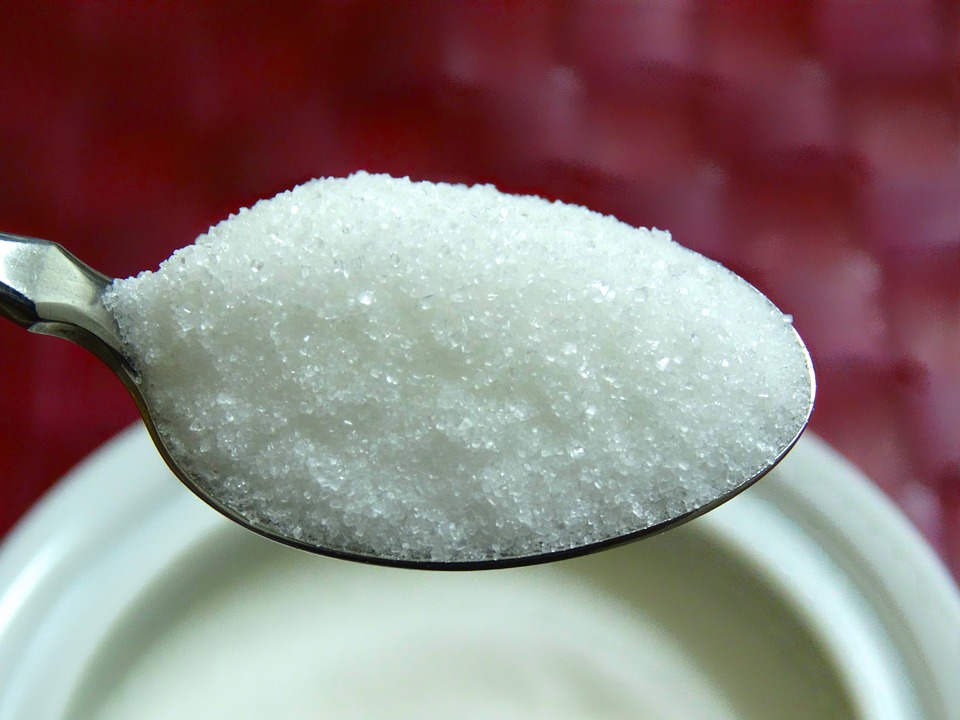
While many people are aware that excessive sugar intake is linked to health issues like weight gain and dental problems, its complex relationship with cancer is a topic of significant scientific interest and public concern. For years, nutritionists have advised limiting added sugars, and a growing body of research now provides a clearer picture of how high sugar consumption can create an environment in the body that may support cancer growth. Importantly, this information is for educational purposes and should not replace guidance from a qualified healthcare provider.
This article will objectively explore the scientific mechanisms behind sugar’s role in cancer metabolism, clarify common misconceptions, and provide evidence-based strategies for managing sugar intake as part of a health-conscious lifestyle.

The Scientific Link: How Sugar Can Fuel Cancer Growth
The connection between sugar and cancer is not about sugar directly causing cancer cells to form. Instead, it relates to how cancer cells use sugar for energy and how the body’s response to high sugar intake can promote cellular growth. Researchers have identified several key mechanisms.
1. The Warburg Effect: Cancer’s Preference for Glucose
In the 1920s, Nobel laureate Otto Warburg observed that cancer cells have a unique metabolism. Unlike healthy cells, which primarily use oxygen to produce energy efficiently, cancer cells often rely on a less efficient process called aerobic glycolysis. Consequently, they consume glucose (a simple sugar) at a rate up to 200 times higher than normal cells. This high demand for glucose is known as the “Warburg effect” and is a hallmark of many types of cancer.
2. Insulin, IGF-1, and Cell Growth Signals
A diet high in refined sugars and carbohydrates causes rapid spikes in blood glucose. In response, the pancreas releases the hormone insulin to help cells absorb this glucose. However, chronically elevated insulin levels can have other effects. Insulin is a growth-promoting hormone, and high levels can signal cells—including pre-cancerous and cancerous ones—to grow and divide. Furthermore, high insulin often leads to increased levels of Insulin-like Growth Factor 1 (IGF-1), another potent signaling molecule that promotes cell proliferation and inhibits cell death (apoptosis), creating a favorable environment for tumor progression.
3. Chronic Inflammation and Oxidative Stress
Excessive sugar consumption is a known driver of chronic, low-grade inflammation throughout the body. According to research published in journals like Frontiers in Immunology, this persistent inflammation can damage DNA and promote the survival and proliferation of cancer cells. Additionally, metabolizing large amounts of sugar generates oxidative stress, producing free radicals that can further damage cellular structures and contribute to the development of cancer.
Does Sugar Directly *Create* Cancer Cells? A Critical Clarification
It is crucial to understand that current scientific evidence does not suggest that sugar itself is a carcinogen that directly causes the genetic mutations leading to cancer. Rather, a high-sugar diet creates a metabolic environment that can fuel the growth and spread of existing cancer cells and increase the risk of developing certain types of cancer, particularly those linked to obesity and metabolic dysfunction, such as breast, colorectal, and pancreatic cancers.
A study in the Journal of Clinical Investigation suggested that high glucose could trigger oncogenic (cancer-promoting) pathways. However, this highlights sugar’s role as a promoter and fuel source, not as the initial cause of the disease. Therefore, managing sugar intake is a key strategy for risk reduction and supporting overall health, not a “cure” for cancer.
Specific Biological Limitation: The Role of Glucose Metabolism
The primary biological limitation of dietary strategies focused on sugar is that all cells in the body, including healthy ones, require glucose for energy. The brain, for instance, is a major consumer of glucose. Therefore, it is impossible and dangerous to attempt to eliminate all sources of glucose from the diet. The goal is not to starve the body but to prevent the sharp, sustained spikes in blood glucose and insulin that are associated with diets high in refined sugars and processed carbohydrates. This metabolic dysregulation is the key issue, particularly for individuals with pre-existing insulin resistance or metabolic syndrome, as their bodies are already primed for the pro-growth signals that high sugar intake exacerbates.
Therapeutic Alternatives for Managing Sugar’s Impact
For individuals seeking to reduce their reliance on added sugars and support stable blood glucose levels, several evidence-based botanical and dietary alternatives exist. These are supportive measures and should be discussed with a healthcare provider, especially if you have a medical condition or are taking medication.
Botanical Alternatives for Blood Sugar Support
The following herbs have been traditionally used and are now studied for their potential role in supporting healthy metabolic function. They do not treat cancer but may assist in managing blood sugar levels as part of a holistic health plan.
| Herb | Mechanism of Action | Primary Use |
|---|---|---|
| Berberine | Activates an enzyme called AMPK, which is often referred to as a “metabolic master switch.” This helps improve insulin sensitivity and reduce glucose production in the liver. | Supporting healthy blood sugar and cholesterol levels. |
| Ceylon Cinnamon (Cinnamomum verum) | May slow the breakdown of carbohydrates in the digestive tract and improve insulin signaling in cells. Research suggests it can help lower fasting blood glucose. | Aiding glycemic control in individuals with insulin resistance. |
| Gymnema Sylvestre | Contains gymnemic acids, which can suppress the taste of sweetness, thereby reducing sugar cravings. It may also block sugar absorption in the intestines. | Traditionally used in Ayurvedic medicine to manage blood sugar and reduce cravings for sweets. |
Natural Sweetener Alternatives
Replacing refined sugar with non-caloric natural sweeteners can help reduce overall sugar intake without eliminating sweetness from the diet.
- Stevia (Stevia rebaudiana): A plant-derived, zero-calorie sweetener that does not raise blood glucose levels.
- Monk Fruit (Luo Han Guo): Another natural, zero-calorie sweetener derived from a fruit. Its sweetness comes from antioxidants called mogrosides.
Recent Medical Research (2020-2026)
Modern research continues to reinforce and refine our understanding of the sugar-cancer link.
- A 2022 meta-analysis published in BMC Cancer reviewed numerous studies and concluded that high intake of sugar-sweetened beverages was significantly associated with an increased risk of several cancers, including breast and prostate cancer.
- Research in the journal Nature Reviews Cancer (2021) detailed how metabolic reprogramming, fueled by excess nutrients like glucose, is a fundamental characteristic of cancer, further solidifying the importance of diet in cancer biology.
- Current Limitations: While the association is strong, it remains challenging to isolate sugar as the sole factor in human studies, as high-sugar diets often overlap with other unhealthy lifestyle factors like low fiber intake and a sedentary lifestyle. More research is needed to understand the impact of different types of sugars (e.g., fructose vs. glucose) on specific cancers.
Specialist’s Summary
The scientific consensus is that while sugar does not directly create cancer cells, a diet high in added sugars can fuel their growth and increase overall cancer risk by promoting insulin resistance, inflammation, and obesity. Managing sugar intake is a critical, evidence-based strategy for supporting metabolic health and reducing this risk. This is best achieved by focusing on whole foods and using natural, non-glycemic alternatives in moderation. These dietary changes are supportive measures and must not replace conventional medical treatment for cancer.
Frequently Asked Questions
1. Do I have to eliminate all sugar to reduce cancer risk?
No, the goal is to significantly reduce or eliminate added sugars found in processed foods, sugary drinks, and desserts. Natural sugars found in whole fruits and vegetables come packaged with fiber, water, and micronutrients, which slow their absorption and provide health benefits.
2. Are artificial sweeteners like aspartame a safe alternative?
The safety of artificial sweeteners is a topic of ongoing debate. While regulatory bodies like the FDA consider them safe at acceptable daily intake levels, some studies have raised concerns about their long-term effects on gut health and metabolism. Natural, zero-calorie sweeteners like stevia and monk fruit are often preferred alternatives.
3. What about the sugar in fruit? Is it also bad?
The sugar (fructose) in whole fruit is generally not a concern for most people when consumed in moderation. The fiber in fruit slows down sugar absorption, preventing the sharp blood sugar spikes associated with refined sugars. However, fruit juices, which have the fiber removed, can act more like sugary drinks and should be limited.
4. Is this information relevant for children?
Yes. Limiting added sugar intake from a young age is crucial for establishing healthy lifelong habits and reducing the risk of obesity and metabolic diseases later in life, which are themselves risk factors for cancer. Always consult a pediatrician for personalized dietary advice for children.
Sources and References
Recent Studies (2020-2026):
- Goncalves, M. D., & Hopkins, B. D. (2021). The role of diet in cancer: a mechanistic-based approach. Nature Reviews Cancer.
- Zhao, Z., et al. (2022). Sugar-sweetened beverages and risk of obesity and cancer: a systematic review and meta-analysis. BMC Cancer.
- Cantley, L. C. (2013). Sugar and Cancer. Journal of Clinical Investigation.
Official Monographs & Authoritative Sources:
- World Health Organization (WHO). Guideline: Sugars intake for adults and children.
- National Cancer Institute (NCI). Obesity and Cancer Risk.
⚠️ Important Medical Information
This article is for educational and informational purposes only and is not intended as medical advice, diagnosis, or treatment. The information provided about the relationship between sugar and health is based on available scientific evidence, which is constantly evolving.
Before making significant dietary changes:
- Consult a qualified healthcare provider or registered dietitian, especially if you have existing health conditions like diabetes, are undergoing cancer treatment, or are pregnant or breastfeeding.
- Do not use dietary changes as a substitute for prescribed medications or professional medical treatment for any disease, including cancer.
- Individual metabolic responses vary – what works for one person may not work for another.
- Monitor your health and seek professional advice if you experience any negative symptoms.
2 comments
shutup….moderation