Kitchen Remedies: Safe Uses for Salt, Lemon, and Black Pepper

An evidence-based guide to using these common ingredients for minor health issues, with clear safety warnings.

by Andreea Smiterson
0 comments
A+A-
Reset

While many traditional remedies rely on ingredients found in our kitchens, it is crucial to distinguish between safe, supportive practices and dangerous myths. Salt, lemon, and black pepper have been used in folk medicine for centuries, but modern science helps us understand their true potential and, more importantly, their limitations. This article, written from a phytotherapy specialist’s perspective, will clarify the evidence-based uses of these common items, provide clear safety protocols, and debunk harmful misinformation.

Important Note: The remedies discussed here are for mild, self-limiting conditions. They are not a substitute for professional medical diagnosis or treatment for persistent or severe health issues.

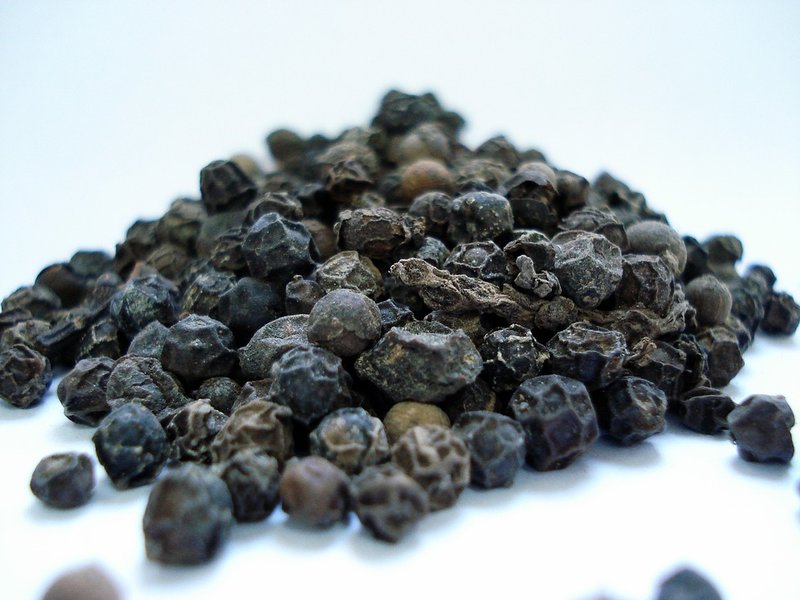
black-pepper

1. The Therapeutic Use of Salt (Sodium Chloride) for Oral Health

The most well-supported home use of salt is in the form of a saline rinse. Its effectiveness is not just traditional; it is rooted in basic principles of biology and is often recommended by dental and medical professionals.

Mechanism of Action

A saline solution works primarily through osmosis. When the salt concentration of the rinse is higher than in the cells of bacteria, it draws water out of them, creating an environment where they cannot thrive. Furthermore, a warm saline rinse can soothe inflamed tissues and help dislodge food particles.

Validated Application: Canker Sores and Mild Sore Throats

For minor oral irritations like canker sores or the initial discomfort of a sore throat, a saline gargle can be beneficial. According to a study in the journal PLoS One, hypertonic saline has demonstrated effects on inflammatory responses in human cells, which may contribute to its soothing properties.

Preparation: Dissolve half a teaspoon (approx. 2.5 grams) of non-iodized sea salt or Himalayan salt in one cup (240 ml) of warm, previously boiled water. Stir until the salt is fully dissolved.

Administration Protocol and Safety Limits

  • Usage: Gently swish the solution in your mouth or gargle for 30-60 seconds, then spit it out. Do not swallow the solution.
  • Frequency: Use 2-4 times per day, preferably after meals and before bedtime.
  • Duration: Limit use to 3-4 consecutive days. If symptoms do not improve or worsen, consult a healthcare provider. Overuse can lead to dryness and irritation of the oral mucosa.

2. The Supportive Role of Lemon (Citrus limon) in Colds and Flu

Lemon, particularly when combined with honey in warm water, is a classic supportive remedy for the symptoms of the common cold. Its benefits are primarily for comfort and hydration rather than a cure.

Mechanism of Action

Lemons are a source of Vitamin C, an antioxidant that plays a role in immune function. While drinking lemon water won’t instantly cure a cold, maintaining adequate Vitamin C intake is important for overall health. More importantly, the warm liquid helps soothe a sore throat, and the combination with honey can help suppress coughs. Honey has been shown in multiple studies to be an effective cough suppressant for children over one year of age.

Validated Application: Symptomatic Relief for Colds

Preparation: Squeeze the juice of half a lemon into a cup of warm (not boiling) water. Add 1-2 teaspoons of raw honey and stir well. Boiling water can degrade some of the beneficial compounds in both lemon and honey.

Administration Protocol and Safety Limits

  • Usage: Sip the drink slowly while it is warm.
  • Frequency: You can drink this 2-3 times a day while experiencing cold symptoms.
  • Hydration: Remember that this drink is a supplement to, not a replacement for, regular water intake, which is crucial during an illness.

Specific Biological Limitation

The high citric acid content in lemon juice is a significant concern for dental health. Regular, prolonged exposure can erode tooth enamel, leading to sensitivity and an increased risk of cavities. To mitigate this, always rinse your mouth with plain water after consuming lemon water and wait at least 30 minutes before brushing your teeth.

3. Black Pepper (Piper nigrum): A Bioavailability Enhancer

Black pepper’s primary therapeutic value is not as a standalone remedy but as a powerful adjuvant. Its main active compound, piperine, is a well-researched “bio-enhancer.”

Mechanism of Action

Piperine has been shown to inhibit certain metabolic enzymes in the liver and intestinal wall. Consequently, this action slows the breakdown of other substances, allowing them to remain in the body longer and at higher concentrations. The most famous example is its combination with turmeric; research published in journals like Planta Medica confirms that piperine can increase the bioavailability of curcumin (turmeric’s active compound) by up to 2000%.

Validated Application: Enhancing Other Phytotherapies

Instead of using black pepper in questionable concoctions for nausea or weight loss, its proper use is to add a small amount (a pinch of freshly ground pepper) to meals or preparations containing other beneficial compounds, such as turmeric.

Debunking Dangerous Home Remedy Myths

The original article listed several remedies that are ineffective and potentially dangerous. It is critical to eliminate these from practice.

Dangerous Myth Risk and Scientific Verdict
Gallstone “Flush” with Olive Oil and Lemon: EXTREMELY DANGEROUS. This does not remove gallstones. The “stones” produced are soap stones formed from the saponification of olive oil in the digestive tract. This practice can cause severe abdominal pain, vomiting, and potentially life-threatening pancreatitis or a blockage of the bile duct. Gallstones require medical diagnosis and management.
Asthma Remedy with Pepper and Herbs: LIFE-THREATENING. Asthma is a serious chronic respiratory disease. An asthma attack requires immediate use of prescribed rescue inhalers. Attempting to treat it with a homemade herbal mixture can lead to a fatal delay in proper medical care.
Inducing Sneezing for a Stuffy Nose: INEFFECTIVE AND RISKY. Intentionally inhaling powders like pepper and cinnamon can severely irritate the delicate nasal and lung tissues, potentially leading to inflammation or respiratory distress. A saline nasal spray is a much safer and more effective method for clearing congestion.
Lemon Juice for Nosebleeds: NOT RECOMMENDED. The acidity can cause significant stinging and irritation to the nasal mucosa. The standard, medically approved first aid is safer and more effective: sit upright, lean forward, and pinch the soft part of your nose firmly for 10-15 minutes.

Contraindications and Precautions

  • Salt: Individuals with hypertension or kidney disease should avoid swallowing saline solutions. High sodium intake is a significant health risk for these conditions.
  • Lemon: People with GERD (acid reflux), gastritis, or peptic ulcers may find that lemon exacerbates their symptoms. Due to its effect on tooth enamel, it should be consumed with caution.
  • Black Pepper: In large quantities, it can irritate the gastrointestinal tract. Individuals with ulcers or GERD should use it sparingly. Piperine can affect the metabolism of various medications, including some anticonvulsants and antihistamines; consult a pharmacist or doctor if you are on medication.

Therapeutic Alternatives

If the above remedies are unsuitable or if you are looking for more targeted, evidence-based options, consider these alternatives:

  • For Sore Throat: A gargle made with Sage (Salvia officinalis) tea has antiseptic and anti-inflammatory properties. Alternatively, a tea made from Marshmallow root (Althaea officinalis) provides a soothing, mucilaginous coating for irritated tissues.
  • For Nausea: The most well-researched botanical for nausea is Ginger (Zingiber officinale). It is effective for motion sickness, morning sickness, and general nausea. Peppermint (Mentha x piperita) tea or essential oil inhalation can also help settle the stomach.
  • For Cold & Flu Symptom Relief: Elderberry (Sambucus nigra) syrup has been shown in clinical trials to potentially reduce the duration and severity of flu symptoms. Echinacea (Echinacea purpurea) may help support the immune system, particularly when taken at the very first sign of illness.

Recent Medical Research (2020-2026)

Recent studies continue to validate some of these traditional uses while refining our understanding.

  • A 2021 meta-analysis published in Cureus reviewed the efficacy of saline nasal irrigation and gargling for COVID-19, concluding that it is a safe and potentially beneficial supportive measure for reducing viral load in the upper respiratory tract.
  • Research continues to explore piperine’s role. A 2022 review in the journal Metabolites highlighted its broad pharmacological potential, including its anti-inflammatory and antioxidant effects, though emphasizing that most research is preclinical and more human trials are needed.

The current scientific verdict is that saline rinses are a safe and effective adjunct for minor oral and throat issues. Lemon and honey provide comfort and hydration for colds. Black pepper’s primary role is as a bio-enhancer, not a standalone treatment.

Specialist’s Summary

Salt, lemon, and black pepper offer modest, supportive benefits for minor health complaints when used correctly. Saline rinses are excellent for oral hygiene and sore throats, while a warm lemon and honey drink provides effective symptomatic relief for colds. Black pepper is best utilized to enhance the absorption of other therapeutic compounds like curcumin. It is critical to abandon dangerous myths like gallstone flushes and asthma “cures,” which can cause significant harm. Always prioritize medical advice for serious conditions.

Frequently Asked Questions

1. Can a lemon, pepper, and honey drink help with weight loss?

There is no scientific evidence that this specific mixture causes significant weight loss. While staying hydrated with lemon water can be a healthy habit that supports metabolism, it is not a magic solution. Sustainable weight loss is achieved through a balanced diet and regular physical activity.

2. Is it safe to gargle with salt water every day?

Daily gargling is generally not necessary and may lead to excessive dryness of the mucous membranes. It is best reserved for times when you have a sore throat or canker sores, for a limited duration of a few days.

3. Can black pepper interact with my prescription medications?

Yes, it can. The piperine in black pepper can slow the metabolism of several drugs, potentially increasing their levels in the blood. If you take any prescription medication, especially for seizures, blood pressure, or allergies, consult your doctor or pharmacist before using black pepper supplements or consuming it in large amounts.

4. Are these remedies safe for children or during pregnancy?

A saline gargle is safe for children old enough to gargle without swallowing. A warm lemon drink is generally safe, but honey should never be given to infants under 12 months of age due to the risk of infant botulism. Pregnant women can typically use these remedies in moderation, but should consult their healthcare provider for any health concerns.

Sources and References

  • Huijghebaert, S., et al. (2021). The Efficacy of Saline Nasal Irrigation and Saline Gargling for the COVID-19 Pandemic: A Systematic Review and Meta-Analysis. Cureus, 13(9), e18137. https://www.ncbi.nlm.nih.gov/pmc/articles/PMC8542369/
  • Meghwal, M., & Goswami, T. K. (2013). Piper nigrum and Piperine: An Update. Phytotherapy Research, 27(8), 1121–1130.
  • Shoba, G., et al. (1998). Influence of piperine on the pharmacokinetics of curcumin in animals and human volunteers. Planta Medica, 64(4), 353–356.

⚠️ Important Medical Information

This article is for educational and informational purposes only and is not intended as medical advice, diagnosis, or treatment. The information provided about salt, lemon, and black pepper is based on traditional use, preliminary research, and available scientific evidence, which may be limited.

Before using these remedies:

  • Consult a qualified healthcare provider, especially if you are pregnant, breastfeeding, taking medications, or have existing health conditions like hypertension, GERD, or gallstones.
  • Do not use as a substitute for prescribed medications or professional medical treatment, especially for serious conditions like asthma or infections.
  • Individual results may vary – what works for one person may not work for another.
  • Monitor for adverse reactions and discontinue use if negative symptoms occur.


You may also like

Leave a Comment