A Nutrient-Rich Broth to Support Bone Health

by Andreea Smiterson
0 comments
A+A-
Reset

Maintaining strong, healthy bones requires a comprehensive nutritional strategy that extends beyond calcium supplementation alone. While medical professionals often recommend calcium supplements and calcium-rich foods, nutritionists emphasize obtaining these vital minerals from whole-food sources. For instance, seeds, nuts, leafy green vegetables, and certain types of fish provide a complex matrix of nutrients. Indeed, bone strength depends on a synergistic relationship between multiple minerals and vitamins, not just calcium. Consequently, nutrients such as magnesium, phosphorus, zinc, boron, and vitamins D, K, and A are critically important for skeletal health.

Mineral-Rich Bone and Herb Broth Recipe

This recipe offers a foundational, nutrient-dense broth designed to support the body’s mineral requirements for bone maintenance. It focuses on simple, whole-food ingredients that are rich in the building blocks for a healthy skeletal system. This preparation can be a valuable addition to a balanced diet aimed at supporting bone density, particularly when combined with appropriate lifestyle choices and medical guidance for conditions like osteoporosis.

Recipe for Strengthening the Bones

Ingredients

  • Bones from one large, non-oily white fish (such as cod, halibut, or sole), preferably from wild-caught sources.
  • 2-3 liters of filtered water.
  • 2 tablespoons of apple cider vinegar (this helps extract minerals from the bones).
  • 2 handfuls of mixed, washed green vegetables. Choose from the following:
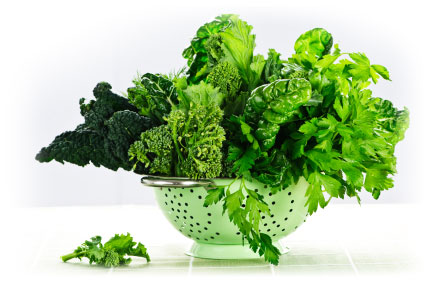
    • Primary Greens: Kale, broccoli, cabbage, parsley.
    • Nutrient-Boosters (use sparingly): Dandelion leaves, nettles, purslane (ensure they are from a clean, verified source).
  • Seasoning to taste: Sea salt, black pepper, garlic, or bay leaf.

Preparation Instructions

  1. Place the fish bones in a large stockpot and add the filtered water and apple cider vinegar. Ensure the bones are fully submerged.
  2. Let the mixture sit for 30 minutes. This allows the vinegar to begin leaching minerals from the bones before heating.
  3. Bring the water to a boil, then immediately reduce the heat to a low simmer. Skim off any foam that rises to the surface.
  4. Cover the pot and let the bones simmer gently for at least 4-6 hours. A longer simmering time results in a more nutrient-rich broth.
  5. During the last 30 minutes of cooking, add the chopped green vegetables and any desired seasonings like garlic or bay leaf.
  6. Strain the broth through a fine-mesh sieve to remove all bones and plant matter. If you are concerned about small bones, you can initially place them in a cheesecloth bag for easy removal.
  7. Season the finished broth with salt and pepper to your preference. It can be consumed as a warm soup or used as a base for other dishes.

Essential Safety Protocols for This Recipe

Sourcing Your Ingredients Safely

The quality of your ingredients directly impacts the safety and efficacy of this broth. First, always source fish bones from reputable suppliers to minimize the risk of heavy metal contamination, such as mercury or lead, which can accumulate in the bones of fish from polluted waters. Furthermore, if using foraged greens like dandelion or nettle, ensure they are harvested from areas free of pesticides, herbicides, and industrial pollutants. If you are not an experienced forager, it is much safer to purchase these herbs from a certified organic supplier.

Why Motherwort Was Excluded: A Critical Safety Warning

The original recipe included motherwort (Leonurus cardiaca). This herb has been intentionally removed from this updated recipe due to significant safety concerns. Motherwort is a potent medicinal plant with strong effects on the cardiovascular and nervous systems. It is not a culinary vegetable. Its use requires professional guidance, as it is contraindicated in certain heart conditions, during pregnancy, and can interact with sedative and cardiac medications. Therefore, you should never add it to food as a general green vegetable.

Contraindications and Precautions for Key Ingredients

While the ingredients in this recipe are generally safe for most people, some of the herbs have specific contraindications and may interact with medications. It is essential to be aware of these before incorporating the broth into your diet, especially if you have pre-existing health conditions.

Ingredient Contraindications and Precautions
Nettle (Urtica dioica) May interact with blood thinners (e.g., warfarin), blood pressure medications, diuretics, and diabetes drugs. Use with caution in individuals with kidney disease.
Dandelion (Taraxacum officinale) Avoid if you have allergies to the Asteraceae family (ragweed, daisies). Its diuretic effect may alter the excretion of certain medications. Consult a doctor if you have gallbladder or bile duct issues.
Parsley (Petroselinum crispum) Consume in culinary amounts. High medicinal doses should be avoided during pregnancy as it can have uterine-stimulating effects. Use with caution if you have kidney disease due to its oxalate content.

Therapeutic Alternatives for Bone Support

If this recipe is not suitable for you due to dietary restrictions or contraindications, other effective strategies can support bone health.

Botanical and Dietary Alternatives

  1. Vegan Mineral Broth: For a plant-based alternative, create a broth using mineral-rich ingredients like kombu seaweed, dried shiitake mushrooms, carrots, celery, and parsley. Kombu, in particular, is an excellent source of iodine and other trace minerals.
  2. Vitamin K2-Rich Foods: Vitamin K2 is crucial for directing calcium into the bones. Incorporate foods like natto (fermented soybeans), gouda cheese, and grass-fed butter into your diet.
  3. Magnesium-Rich Foods: Magnesium is a key co-factor in bone formation. Increase your intake of pumpkin seeds, almonds, spinach, and black beans.

Lifestyle Considerations

Dietary measures are most effective when combined with lifestyle adjustments. For instance, regular weight-bearing exercise, such as walking, jogging, or strength training, is essential for stimulating bone-building cells. Additionally, ensuring adequate Vitamin D levels through safe sun exposure or supplementation is non-negotiable for calcium absorption.

Recent Medical Research (2020-2026)

Recent scientific inquiry continues to refine our understanding of nutrition’s role in bone health. While bone broth is popularly acclaimed for its mineral content, research provides a more nuanced view.

  • A 2017 study in Food and Nutrition Research found that the mineral content of bone broth can be relatively low and highly variable. This suggests that while beneficial, it should not be considered a primary source of minerals but rather a complementary part of a nutrient-dense diet.
  • Conversely, a 2023 review in Nutrients highlighted the critical role of Vitamin K2 in bone and cardiovascular health, confirming its function in preventing calcium from depositing in arteries and guiding it to the skeleton.

Updated Scientific Verdict: The scientific consensus is that a whole-diet approach is superior to relying on single foods or nutrients. This broth recipe provides a hydrating and easily digestible source of minerals and collagen precursors. However, its primary benefit lies in its role as a base for incorporating nutrient-dense vegetables and herbs. Its efficacy is maximized when consumed as part of a diet rich in vitamins D and K2, magnesium, and other essential nutrients, alongside an active lifestyle.

Specialist’s Summary

This mineral-rich broth serves as a useful dietary supplement to support bone health, primarily by providing a base for consuming nutrient-dense greens. It is a supportive measure, not a cure for osteoporosis, and must be combined with a balanced diet, adequate Vitamin D and K2, and weight-bearing exercise. Due to potential medication interactions with herbs like nettle and dandelion, individuals with pre-existing health conditions should consult a healthcare provider. A safe, high-quality source of ingredients is essential to avoid contaminants.

Frequently Asked Questions

Can this broth recipe cure or reverse osteoporosis?
No. This recipe is designed to provide nutritional support for bone health as part of a comprehensive management plan. Osteoporosis is a serious medical condition that requires diagnosis and treatment from a qualified healthcare professional. This broth can complement, but not replace, medical treatment.

What are the best vegetables to add to the broth for bone health?
Dark leafy greens are excellent choices. Kale, collard greens, and broccoli are rich in calcium, magnesium, and Vitamin K. Parsley is a good source of Vitamin K and antioxidants. Including a variety of greens provides a broader spectrum of nutrients.

How often should I consume this bone and herb broth?
For general wellness, consuming a cup of this broth a few times per week can be a beneficial addition to your diet. There is no strict protocol, but consistency is more important than quantity. Listen to your body and consult a nutritionist for personalized advice.

Sources and References

  1. Hsu, D. J., Lee, C. W., Tsai, W. C., & Chien, Y. C. (2017). Essential and toxic metals in animal bone broths. Food & nutrition research, 61(1), 1347478.
  2. Fusaro, M., Gallieni, M., Rizzo, M. A., Stucchi, A., Delanaye, P., & Cavalier, E. (2023). Vitamin K and Bone. Nutrients, 15(13), 2929.
  3. Weaver, C. M. (2015). Nutrition and Bone Health. Nutrition Reviews, 73(11), 785–788.


You may also like

Leave a Comment