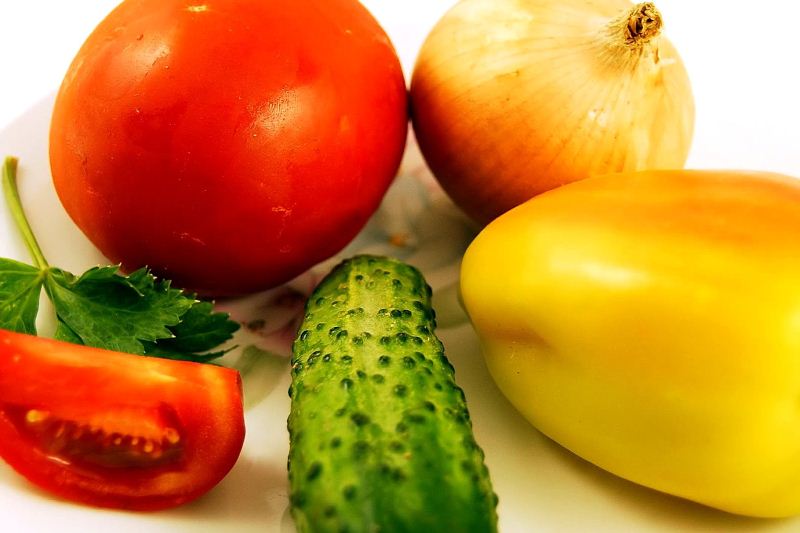
Incorporating raw vegetables into your diet can be an excellent way to boost your intake of essential vitamins, minerals, and heat-sensitive enzymes. Traditionally, many cultures have valued raw foods for their vitality and cleansing properties. However, maximizing these benefits while minimizing potential digestive discomfort requires a knowledgeable approach. This guide provides an evidence-based perspective on how to consume raw vegetables safely and effectively.
Raw vegetables can stimulate metabolic processes and support the body’s natural detoxification systems. Importantly, they deliver phytonutrients in their natural state, which may offer unique advantages. For instance, the mechanical action of chewing raw, fibrous vegetables is crucial for releasing nutrients and signaling digestive processes, starting with enzymes in the saliva.

Key Principles for Safe Raw Vegetable Consumption
While a diet rich in raw foods is beneficial, moderation and proper preparation are key. The notion of a specific percentage, such as 30% of one’s diet, is not scientifically mandated. Instead, the optimal amount varies based on individual digestive health, gut microbiome, and overall constitution.
Preparation for Better Digestion
Proper preparation can significantly enhance the digestibility of raw vegetables. For example, grating, finely chopping, or blending vegetables helps break down tough cellulose fibers, making nutrients more accessible and reducing the digestive workload. This pre-digestion step allows for more efficient nutrient absorption and can help prevent bloating or gas.
Strategic Food Combining
You can enhance both the flavor and nutritional synergy of raw vegetables by combining them with healthy fats and acids. These additions not only improve taste but also aid in the absorption of fat-soluble vitamins like A, D, E, and K.
- Cold-pressed oils: Extra virgin olive oil, flaxseed oil, or avocado oil provide healthy fats.
- Natural acids: Lemon juice or apple cider vinegar can help break down plant fibers.
- Herbs and sauces: Fresh herbs like parsley and cilantro add minerals and flavor, while a yogurt-based sauce can provide probiotics to support gut health.
Spotlight on Specific Vegetables: Evidence-Based Benefits
Different vegetables offer unique phytochemical profiles. Here is a look at the evidence-backed benefits of some common raw vegetables.
Carrots (Daucus carota)
Carrots are renowned for their high content of beta-carotene, a precursor to vitamin A. This nutrient is essential for vision, immune function, and cellular health. Furthermore, the fiber in raw carrots acts as a prebiotic, feeding beneficial gut bacteria. Research published in the journal Nutrients confirms that carotenoids from raw carrots are bioavailable, although light cooking can sometimes enhance this further.
Recommendation: Consume grated in salads with a source of fat, like olive oil, to improve beta-carotene absorption.
Garlic (Allium sativum)
Garlic’s primary active compound is allicin, which is formed when a clove is crushed or chopped. Allicin has well-documented antimicrobial and cardiovascular benefits. According to a meta-analysis in Experimental and Therapeutic Medicine, garlic preparations can support healthy blood pressure and cholesterol levels. Allicin is heat-sensitive, so consuming garlic raw maximizes its potential.
Recommendation: Finely chop or crush 1-2 cloves daily and let them sit for 10 minutes before adding to salads or dressings to allow for maximum allicin formation.
Celery (Apium graveolens)
Celery is over 95% water, making it exceptionally hydrating. It also contains compounds called phthalides, which studies suggest may help relax artery walls, promoting healthy blood flow. Its natural diuretic effect, traditionally used to support fluid balance, helps the kidneys in their filtration role.
Recommendation: Consume as juice or finely grated in salads. Its high water content makes it a refreshing addition to any raw dish.
Bell Peppers (Capsicum annuum)
Bell peppers, particularly the red and yellow varieties, are one of the richest dietary sources of vitamin C, a potent antioxidant that supports the immune system and collagen production for healthy skin. Since vitamin C is degraded by heat, eating peppers raw ensures you receive the maximum amount.
Recommendation: Slice raw peppers for salads or juices. Combining them with an iron-rich food like spinach can enhance iron absorption.
Onion (Allium cepa)
Onions are rich in flavonoids, especially quercetin, a powerful antioxidant with anti-inflammatory properties. Research indicates that quercetin can support cardiovascular health and modulate immune responses. Onions also contain sulfur compounds that support the body’s natural detoxification pathways.
Recommendation: Finely chop a quarter of a raw onion daily and add it to salads or sandwiches. Chewing it thoroughly is important for releasing its beneficial compounds.
Administration Protocol and Safety Limits
For individuals new to a high-raw diet, a gradual approach is essential to prevent digestive distress.
- Start Slowly: Begin by incorporating one raw salad or vegetable juice into your daily routine.
- Listen to Your Body: Pay attention to signs of bloating, gas, or discomfort. If these occur, reduce the amount and focus on more easily digestible vegetables like cucumbers and lettuce before moving to fibrous ones like broccoli or kale.
- Hydration: Ensure adequate water intake throughout the day to help the soluble fiber from vegetables move smoothly through the digestive tract.
– Timing: For those with sensitive digestion, it is often advisable to consume raw vegetables earlier in the day (e.g., for lunch) rather than in the evening, as digestive function can slow down at night.
Specific Biological Limitation
The primary limitation of a high-raw vegetable diet is its demand on the digestive system. The high content of insoluble fiber (cellulose) can be challenging for some individuals to break down. This can lead to gas, bloating, and abdominal cramping, particularly in those with pre-existing digestive conditions like Irritable Bowel Syndrome (IBS) or Small Intestinal Bacterial Overgrowth (SIBO). The fiber can act as a substrate for bacterial fermentation, exacerbating symptoms.
Contraindications and Precautions
A high-raw vegetable diet is not suitable for everyone. Caution is strongly advised for the following groups:
- Individuals with Digestive Disorders: People with IBS, Crohn’s disease, ulcerative colitis, or gastroparesis may find that raw vegetables worsen their symptoms.
- Post-Surgical Patients: After abdominal surgery, a low-fiber, cooked-food diet is typically recommended to allow the digestive system to heal.
- Those with Compromised Immunity: Raw produce can carry a higher risk of foodborne pathogens. Immunocompromised individuals should wash vegetables thoroughly and may be advised to cook them.
- Thyroid Conditions: Raw cruciferous vegetables (e.g., kale, broccoli, cabbage – not mentioned in the original list but relevant) contain goitrogens, which can interfere with thyroid function in susceptible individuals, especially when consumed in large quantities. Cooking deactivates most of these compounds.
Therapeutic Alternatives
If raw vegetables cause digestive issues, you do not have to abandon them entirely. Alternative preparation methods can provide similar nutritional benefits with better digestibility.
- Lightly Steaming: This method softens fibrous cell walls, making vegetables easier to digest while preserving a significant portion of their water-soluble vitamins.
- Blanching: Briefly immersing vegetables in boiling water and then plunging them into ice water can deactivate enzymes that cause nutrient loss and make them more tender.
- Fermenting: Fermented vegetables like sauerkraut or kimchi are “pre-digested” by beneficial bacteria, making their nutrients highly bioavailable and providing a rich source of probiotics for gut health.
Recent Medical Research (2020-2026)
The debate between raw and cooked vegetables is ongoing, with research highlighting the nuances. A 2022 study in the Journal of Food Science emphasized that while cooking can degrade vitamin C, it significantly increases the bioavailability of antioxidants like lycopene in tomatoes and beta-carotene in carrots. The current scientific consensus suggests that a balanced diet including both raw and lightly cooked vegetables is optimal for obtaining the broadest spectrum of nutrients.
Specialist’s Summary
Raw vegetables are a potent source of vitamins, enzymes, and fiber, beneficial for metabolic and digestive health when consumed correctly. Their suitability is highly individual, with preparation methods like grating and proper combining being key to good digestion. They are contraindicated for individuals with significant digestive disorders like IBS or Crohn’s disease. Validated alternatives like steaming or fermenting offer excellent nutritional value for those with sensitive systems.
Frequently Asked Questions
1. Can eating too many raw vegetables be harmful?
For most healthy individuals, it is not harmful, but it can lead to significant digestive discomfort like bloating, gas, and abdominal pain if intake is increased too quickly. It’s about finding a balance that your digestive system can handle.
2. Does grating vegetables really make a difference?
Yes. Grating or blending mechanically breaks down the tough cellulose walls of plant cells. This process reduces the work your digestive system has to do and can significantly improve nutrient absorption and reduce the likelihood of bloating.
3. Is it better to eat vegetables raw or cooked?
Neither is universally “better.” Some nutrients, like vitamin C, are highest in raw vegetables. Others, like lycopene (in tomatoes) and beta-carotene (in carrots), become more available to the body after cooking. The best approach is a diet that includes a variety of both raw and lightly cooked vegetables.
4. Are raw vegetables safe during pregnancy?
Yes, provided they are washed meticulously to remove any soil and potential pathogens like Listeria or Toxoplasma. It is crucial to follow strict food hygiene practices. Consulting with a healthcare provider for personalized dietary advice during pregnancy is always recommended.
Sources and References
- Palermo, M., Pellegrini, N., & Fogliano, V. (2022). The effect of cooking on the phytochemical content of vegetables. Journal of Food Science.
- Ried, K. (2020). Garlic lowers blood pressure in hypertensive subjects, improves arterial stiffness and gut microbiota: A review and meta-analysis. Experimental and Therapeutic Medicine.
- Bohn, T. (2021). Carotenoids in human nutrition: bioavailability, and health benefits. Nutrients.
⚠️ Important Medical Information
This article is for educational and informational purposes only and is not intended as medical advice, diagnosis, or treatment. The information provided about Raw Vegetables is based on traditional use, preliminary research, and available scientific evidence, which may be limited.
Before making significant dietary changes:
- Consult a qualified healthcare provider, especially if you are pregnant, breastfeeding, taking medications, or have existing health conditions like digestive disorders.
- Do not use this information as a substitute for professional medical treatment or a balanced diet.
- Individual results may vary – what works for one person may not work for another.
- Monitor for adverse reactions and discontinue or modify your intake if negative symptoms occur.