Anthocyanin Benefits: How Purple and Red Foods Support Heart Health

by Andreea Smiterson
0 comments
A+A-
Reset

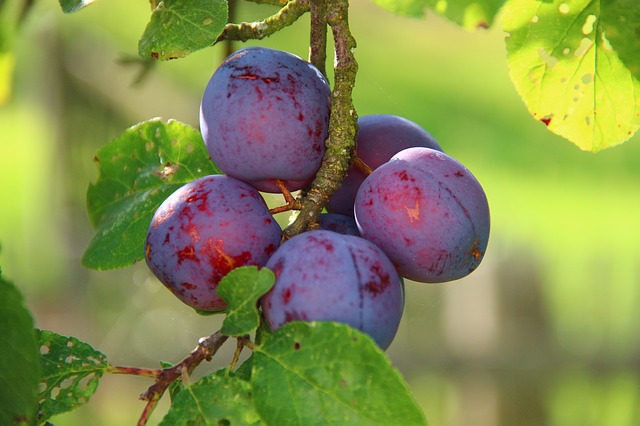
The vibrant colors of fruits and vegetables are more than just visually appealing; they are often indicators of potent health-supportive compounds within. Specifically, foods with deep red, purple, and dark blue hues are rich in a class of flavonoids called anthocyanins. These natural pigments are responsible for their color and are associated with significant antioxidant and anti-inflammatory properties.

This article, written from a phytotherapy specialist’s perspective, explores the evidence-based benefits of incorporating these colorful foods into your diet. Importantly, we will discuss how they may contribute to reducing the risk of chronic conditions like cardiovascular disease, while also providing clear safety protocols and acknowledging the limits of current research.

dark-colored foods

The Science of Color: Understanding Anthocyanins and Other Phytonutrients

The primary bioactive compounds in most purple, red, and blue foods are anthocyanins. Research suggests these compounds exert their effects through several mechanisms. Firstly, they act as powerful antioxidants, helping to neutralize unstable molecules called free radicals that can damage cells and contribute to aging and disease. Secondly, they possess anti-inflammatory properties, potentially modulating pathways in the body that trigger inflammation.

According to a meta-analysis published in the journal Nutrition, Metabolism and Cardiovascular Diseases, higher dietary intake of anthocyanins is significantly associated with a reduced risk of cardiovascular disease and type 2 diabetes. However, it’s crucial to understand that these benefits come from a consistent dietary pattern, not from isolated “miracle” foods.

Key Foods Rich in Anthocyanins and Their Benefits

1. Berries (Blueberries, Blackberries, Cherries)

Berries are among the most concentrated sources of anthocyanins. For instance, blueberries are renowned for their potential role in supporting cognitive function and cardiovascular health. Clinical observations suggest that regular consumption may help improve blood vessel function and modulate blood pressure. Furthermore, tart cherries are traditionally used and now studied for their ability to lower uric acid levels, which may offer relief for individuals with gout.

2. Grapes and Pomegranate

Dark-skinned grapes contain resveratrol in their peels, a polyphenol studied for its cardioprotective effects. Research indicates that resveratrol may help relax arterial walls, supporting healthy blood flow. Similarly, pomegranates are rich in punicalagins and anthocyanins, which contribute to their potent antioxidant capacity. Studies suggest pomegranate juice may help reduce oxidative stress and support arterial health.

3. Beetroot

While beetroot’s deep red color comes from a different class of pigments called betalains, its health benefits align with other dark-colored vegetables. Beetroot is a significant source of dietary nitrates, which the body converts into nitric oxide. This molecule is a powerful vasodilator, meaning it helps relax and widen blood vessels, leading to improved blood flow and a potential reduction in blood pressure. Consequently, many athletes use beetroot juice to enhance performance.

4. Red Cabbage

Often appearing purple, red cabbage contains not only 36 different types of anthocyanins but also glucosinolates, compounds common in cruciferous vegetables that have been studied for their health-protective properties. Moreover, it is an excellent source of Vitamin C and Vitamin K, far exceeding the amounts found in green cabbage.

Dietary Inclusion Protocol and Safety Limits

While these foods are generally safe, a structured approach ensures maximum benefit without unintended consequences. This is not a “treatment” but a guide for healthy dietary integration.

Food Group Recommended Daily Intake Safety Considerations
Berries ½ to 1 cup (approx. 75-150g) Monitor sugar intake if diabetic. Choose organic when possible to minimize pesticide exposure.
Beetroot (cooked or raw) ½ cup (approx. 85g) High in oxalates; limit intake if you have a history of kidney stones. May cause beeturia (red urine/stools), which is harmless.
Red Cabbage (raw or steamed) 1 cup, shredded (approx. 90g) High in Vitamin K; consult a doctor if on blood thinners. Can cause gas in sensitive individuals.
Pomegranate Juice (unsweetened) 4-8 oz (120-240 ml) Calorie-dense; factor into daily energy intake. May interact with certain medications (e.g., statins).

Administration Condition: For optimal nutrient absorption, consume these foods as part of a balanced meal containing healthy fats. For example, add berries to yogurt or a salad with an olive oil-based dressing. Steaming or eating raw is preferable to boiling, which can leach water-soluble nutrients.

Specific Biological Limitation

Oxalate Content in Beetroot: Beetroot contains high levels of oxalates. In the body, oxalates can bind with calcium to form calcium oxalate crystals. For most people, this is not an issue. However, for individuals predisposed to or with a history of calcium oxalate kidney stones, high consumption of beetroot can increase the risk of stone formation. Therefore, moderation is key for this specific population.

Contraindications and Precautions

While dietary inclusion is safe for most, certain conditions warrant caution.

  • Kidney Disease: Individuals with chronic kidney disease or a history of oxalate kidney stones should limit their intake of high-oxalate foods like beetroot and blackberries.
  • Drug Interactions:
    • Anticoagulants (e.g., Warfarin): Red cabbage is rich in Vitamin K, which plays a crucial role in blood clotting. Sudden increases in Vitamin K intake can interfere with the efficacy of these medications. Therefore, consistent intake is more important than avoidance; discuss dietary plans with your healthcare provider.
    • Blood Pressure Medications: Due to its nitrate content, beetroot can lower blood pressure. If you are already taking hypotensive drugs, consuming large amounts of beetroot juice could potentially cause your blood pressure to drop too low.
  • Diabetes: Fruits like grapes and plums are healthy but contain natural sugars. Individuals with diabetes should consume them in moderation and monitor their blood glucose levels accordingly.

Therapeutic Alternatives

If you cannot consume these foods or wish to diversify your intake of protective compounds, consider these alternatives:

  1. Green Tea: An excellent source of catechins, particularly epigallocatechin gallate (EGCG). This polyphenol has strong antioxidant properties and is extensively studied for its benefits in cardiovascular and metabolic health, offering a different but complementary mechanism to anthocyanins.
  2. Turmeric (Curcuma longa): The active compound, curcumin, is a powerful anti-inflammatory agent. It works on different inflammatory pathways than anthocyanins and is traditionally used to support joint health and reduce systemic inflammation.
  3. Dark Chocolate (70%+ cacao): Rich in flavanols, which have been shown to improve endothelial function, enhance blood flow, and support cardiovascular health. This provides another avenue for polyphenol intake.

Recent Medical Research (2020-2026)

Modern science continues to validate the benefits of an anthocyanin-rich diet.

  • A 2022 review in Nutrients highlighted the neuroprotective effects of anthocyanins, suggesting they may play a role in preserving cognitive function during aging by reducing neuroinflammation and oxidative stress.
  • Research published in the Journal of the American Heart Association in 2021 linked higher consumption of flavonoid-rich foods, including berries and red wine, with lower blood pressure levels, partly mediated by the gut microbiome.

Current Limitations: While observational data is strong, more long-term randomized controlled trials are needed to establish definitive cause-and-effect relationships and determine optimal dosages for specific health outcomes.

Specialist’s Summary

Incorporating purple, red, and blue foods is a practical strategy for supporting cardiovascular and overall health due to their high content of anthocyanins and other phytonutrients. These compounds are most effective as part of a consistent, balanced diet. However, be mindful of specific limitations, such as the oxalate content in beetroot for those with kidney stone risk and the Vitamin K in red cabbage for individuals on anticoagulants. Validated alternatives like green tea and turmeric offer complementary benefits through different mechanisms.

Frequently Asked Questions

Are frozen berries as nutritious as fresh ones?
Yes. In fact, berries are often flash-frozen at peak ripeness, which preserves their anthocyanin and vitamin content very effectively. Frozen berries are an excellent and often more affordable option, especially out of season.

Can eating these foods replace my blood pressure or cholesterol medication?
Absolutely not. While a healthy diet rich in these foods can support cardiovascular health and may complement medical treatment, it is not a substitute for prescribed medication. Never stop or alter your medication without consulting your doctor.

How much beetroot juice is safe to drink daily?
For general health support, a daily intake of around 4-8 ounces (120-240 ml) is commonly cited in studies. Exceeding this amount regularly is not recommended without medical supervision, especially if you have low blood pressure or are at risk for kidney stones.

Sources and References

  1. Kimble, R., Keane, K. M., Lodge, J. K., & Howatson, G. (2022). The Influence of Anthocyanins on Cognitive Function in Health and Disease: A Systematic Review of Clinical Trials. Nutrients, 14(7), 1485. https://www.mdpi.com/2072-6643/14/7/1485
  2. Jennings, A., et al. (2021). Higher Habitual Flavonoid Intakes Are Associated With Lower Systolic Blood Pressure, Blood Pressure Variability, and Pulse Pressure: A Cross-Sectional Analysis of the PopGen and EPIC-Norfolk Cohorts. Journal of the American Heart Association, 10(17), e020233. https://www.ahajournals.org/doi/10.1161/JAHA.121.020233
  3. Yang, L., & Ling, W. (2016). Anthocyanins in the prevention and treatment of type 2 diabetes. Nutrition, Metabolism and Cardiovascular Diseases, 26(1), 1-10.

⚠️ Important Medical Information

This article is for educational and informational purposes only and is not intended as medical advice, diagnosis, or treatment. The information provided about anthocyanin-rich foods is based on traditional use, preliminary research, and available scientific evidence, which may be limited.

Before making significant dietary changes:

  • Consult a qualified healthcare provider or registered dietitian, especially if you are pregnant, breastfeeding, taking medications, or have existing health conditions like kidney disease or diabetes.
  • Do not use this information as a substitute for prescribed medications or professional medical treatment.
  • Individual results may vary – dietary needs and responses are unique to each person.
  • Monitor for adverse reactions and discontinue or reduce intake if negative symptoms occur.

Regulatory status: The health claims discussed for these foods have not been evaluated by the FDA for treating, curing, or preventing any disease. They are components of a healthy diet, not medical treatments.


You may also like

Leave a Comment