A Phytotherapist’s Guide to Palm Oil: Nutritional Profile, Benefits, and Safety Considerations

by Andreea Smiterson
2 comments
A+A-
Reset

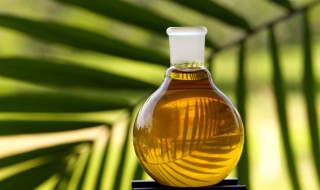
Palm oil is an edible vegetable oil derived from the fruit of oil palm trees, primarily the African oil palm (*Elaeis guineensis*) and the American oil palm (*Elaeis oleifera*). It is crucial to distinguish between two main types: unrefined red palm oil and refined, bleached, and deodorized (RBD) palm oil. Unrefined red palm oil retains a reddish-orange hue due to its high content of carotenoids, such as beta-carotene, and is also a rich source of tocotrienols, a potent form of vitamin E. In contrast, the refining process strips RBD palm oil of these beneficial micronutrients, leaving behind primarily saturated and unsaturated fats. This article focuses on the properties of unrefined red palm oil, which is the form associated with potential health benefits.

Palm Oil – Healthier Than You Think

## Administration Protocol and Safety Limits

As palm oil is a food product, its use should be integrated into a balanced diet rather than viewed as a therapeutic treatment. Consequently, moderation is key.

Dietary Inclusion and Maximum Dose

  • Recommended Daily Intake: For a healthy adult, incorporating up to 1-2 tablespoons (14-28 grams) of unrefined red palm oil per day is generally considered safe as part of a varied diet.
  • Overconsumption Risk: Exceeding this amount regularly can contribute to excessive calorie and saturated fat intake. This may lead to weight gain and could negatively impact blood lipid profiles in susceptible individuals.

Method of Consumption

  • Timing: Consume with meals to aid the absorption of its fat-soluble vitamins (A and E).
  • Preparation: Unrefined red palm oil has a relatively low smoke point. Therefore, it is best used for low-heat sautéing or as a finishing oil in dishes, dressings, and sauces to preserve its nutrient content. High-heat cooking can destroy its beneficial carotenoids and tocotrienols.
  • Incompatibilities: There are no specific food incompatibilities, but its consumption should be balanced with sources of polyunsaturated and monounsaturated fats, such as olive oil, avocados, and nuts.

## Specific Biological Limitation

The primary biological concern with palm oil relates to its fatty acid composition. Approximately 50% of the fat in palm oil is saturated, with palmitic acid being the most abundant.

Impact on Lipid Metabolism: Palmitic acid has been shown in some clinical studies to raise levels of low-density lipoprotein (LDL) cholesterol, often referred to as “bad” cholesterol. While it also tends to raise high-density lipoprotein (HDL) or “good” cholesterol, the net effect on the total cholesterol to HDL ratio can be unfavorable for cardiovascular health, especially in individuals with pre-existing metabolic conditions or a genetic predisposition to hypercholesterolemia. Therefore, its effect is highly dependent on an individual’s overall diet and health status.

## Potential Health Benefits of Unrefined Red Palm Oil

### Vitamin A and Vision Support
Unrefined red palm oil is one of the richest natural plant sources of beta-carotene, a precursor to vitamin A. Vitamin A is essential for maintaining healthy vision, particularly for preventing night blindness. Furthermore, its antioxidant properties help protect the cells of the eye from free radical damage. As a result, adequate intake of vitamin A may help reduce the risk of age-related macular degeneration and cataracts.

### Antioxidant Properties from Tocotrienols
Palm oil is a significant source of tocotrienols, a powerful form of vitamin E. These compounds are potent antioxidants that help neutralize free radicals in the body. Oxidative stress from free radicals is implicated in cellular aging and the development of various chronic diseases. Indeed, the tocotrienols in red palm oil may help protect cells and support overall health by reducing this oxidative burden.

### Cardiovascular Health: A Complex Picture
The role of palm oil in cardiovascular health is a subject of ongoing scientific debate. On one hand, the tocotrienols it contains have demonstrated cholesterol-lowering and anti-inflammatory properties in some studies. On the other hand, its high palmitic acid content can raise LDL cholesterol levels. For this reason, most major health organizations recommend limiting saturated fat intake, including that from palm oil, in favor of unsaturated fats for optimal heart health. Its overall impact likely depends on what it replaces in the diet.

## Contraindications and Precautions

Absolute Contraindications

  • Hypercholesterolemia: Individuals with high LDL cholesterol or a family history of high cholesterol should limit or avoid palm oil.
  • Established Cardiovascular Disease: Patients with a history of heart attack, stroke, or other cardiovascular conditions should follow medical advice to strictly limit saturated fat intake.

Vulnerable Populations

  • Pregnancy and Breastfeeding: In moderation, palm oil is generally considered safe as part of a balanced diet. However, it should not be used as a primary supplement for vitamins, and pregnant women should consult their healthcare provider for nutritional guidance.
  • Children: Safe when consumed in small amounts as part of a varied diet.
  • Obesity and Metabolic Syndrome: Individuals with these conditions should be particularly cautious due to the oil’s high caloric density and saturated fat content.

Major Drug Interactions

  • Anticoagulants (e.g., Warfarin): The high vitamin E content in unrefined red palm oil could potentially enhance the blood-thinning effect of these medications, increasing the risk of bleeding. Patients on anticoagulants should consult their doctor before regularly consuming red palm oil.
  • Statins: As palm oil can influence cholesterol levels, its consumption may interfere with the intended effects of cholesterol-lowering medications.

Documented Adverse Effects

  • Common: When consumed in excess, it can contribute to weight gain and elevated LDL cholesterol.
  • Rare: Allergic reactions are possible but uncommon.

## Therapeutic Alternatives

If palm oil is not suitable due to its high saturated fat content, several other oils offer more established health benefits.

Botanical Alternatives with Studies

  1. Extra Virgin Olive Oil: Rich in monounsaturated fats (oleic acid) and polyphenols, it is strongly linked to improved cardiovascular health and reduced inflammation. It is a cornerstone of the Mediterranean diet.
  2. Flaxseed Oil: An excellent source of the plant-based omega-3 fatty acid alpha-linolenic acid (ALA), which supports heart and brain health. It should not be heated.

Pharmacological Option

  • For managing high cholesterol, statins and other lipid-lowering medications are the standard medical treatment. No dietary oil can replace the efficacy of these drugs when they are medically indicated.

Note: Each alternative has its own profile of benefits and contraindications.

## Recent Medical Research (2020-2026)

Recent research continues to explore the nuanced effects of palm oil on human health, often with conflicting results depending on the study design and the population studied.

  • A 2022 meta-analysis published in Frontiers in Nutrition concluded that palm oil consumption significantly increased LDL-C, HDL-C, and total cholesterol compared to vegetable oils low in saturated fat.
  • Conversely, studies focusing on tocotrienols from palm oil continue to show promise. A 2021 review in Nutrients highlighted the potential neuroprotective, anti-cancer, and cholesterol-lowering effects of these specific vitamin E compounds.

Current Limitations: The primary challenge is separating the effects of palm oil’s beneficial micronutrients (carotenoids, tocotrienols) from the potentially negative effects of its high saturated fat content. The overall dietary context in which it is consumed is critically important.

## Specialist’s Summary

Unrefined red palm oil is a notable source of vitamin A precursors and potent tocotrienols, which may offer antioxidant benefits. However, its high concentration of saturated palmitic acid makes it a controversial choice, particularly for individuals with or at risk for cardiovascular disease. Its consumption should be limited and balanced within a diet rich in unsaturated fats. Validated alternatives with more robust evidence for cardiovascular health include extra virgin olive oil and flaxseed oil.

## Frequently Asked Questions

Is red palm oil healthier than regular (RBD) palm oil?
Yes. Unrefined red palm oil retains beneficial micronutrients like carotenoids and tocotrienols, which are removed during the refining process that creates RBD palm oil. For any potential health benefits, the unrefined version is superior.

Does palm oil raise cholesterol?
The evidence is complex. Studies show that palm oil tends to raise both “bad” LDL cholesterol and “good” HDL cholesterol. For many individuals, especially when replacing less healthy fats, the effect may be neutral. However, compared to unsaturated oils, it generally has a less favorable impact on LDL levels.

Should I avoid all products containing palm oil?
From a health perspective, it is wise to limit intake of processed foods, which often contain refined (RBD) palm oil. When using palm oil for cooking, choose unrefined red palm oil and use it in moderation as part of a whole-foods-based diet.

## Sources and References

Recent Studies (2020-2026):

  1. Sun, Y., et al. (2022). Palm oil consumption and cardiovascular disease: A meta-analysis of randomized controlled trials. Frontiers in Nutrition. https://www.ncbi.nlm.nih.gov/pmc/articles/PMC8789338/
  2. Vasanthan, M., et al. (2021). Tocotrienols and Its Role in Health and Disease. Nutrients. https://www.mdpi.com/2072-6643/13/8/2557

Official Monographs and Health Organization Statements:

  • World Health Organization (WHO). (2018). Healthy diet. [Provides recommendations on limiting saturated fat intake].
  • American Heart Association (AHA). Saturated Fat. [Advises limiting saturated fats, including tropical oils like palm oil].


You may also like

2 comments

Chris Gaffney via Facebook June 26, 2014 - 19:47

I prefer palm wine ! ….lovely !!

Reply
Kris Gurky via Facebook June 26, 2014 - 22:14

Unfortunately harvesting it has many devastating effects on our environment to include: animal cruelty, deforestation, and abuse to the indigenous people.

http://www.saynotopalmoil.com/

Reply

Leave a Comment